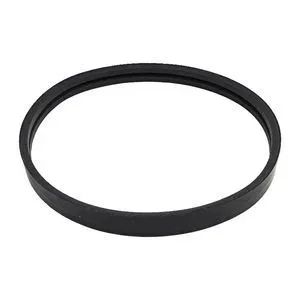
Matched Sets Shipped Together — This drive belt 106-4383 is supplied alongside verified tensioner and pulley components for complete Toro Groundsmaster engine drive system overhaul.
Technical Specifications
| Parameter |
Value |
| Part Number |
106-4383 |
| Product Type |
Belt |
| Cross-Reference |
106-4383, 1064383, 23-1820, 231820, 265-896, 265896, 53-9660, 539660 (reference only) |
| Machine Fitment |
Toro Groundsmaster 322-D, 325-D, 327, 328-D, 345, 30721 |
| Part Name |
Drive Belt |
| Condition |
New Aftermarket |
| Warranty |
3-12 months |
| Material Construction |
High-tensile polyester cords and heat-resistant rubber compounds |
| Assembly State |
Complete belt, drop-in fitment |
| Manufacturing Standard |
ISO-certified production |
Application Suitability
| Engine System |
Related Components |
| Cutting deck power transfer |
Tensioner assembly, idler pulleys, deck spindle bearings |
| Engine accessory drive |
Drive pulleys, belt guards, mounting hardware |
| PTO and attachment drive |
Adjacent V-belts, sheave assemblies, clutch components |
| Scheduled fleet maintenance |
Matched belt sets, tensioner springs, pulley bushings |
Why a Fresh Belt Fails Weeks After Installation
The belt rarely caused its own failure.
In commercial mowing operations, a replacement Drive Belt engine replacement rebuild Toro Groundsmaster unit often returns to the workshop within weeks. The root cause usually sits in the surrounding drive system — a worn tensioner that no longer holds correct deflection, a seized idler pulley creating localized heat, or misaligned sheaves that chew through cord plies from the edge inward. [NEED_CITE: belt drive system failure analysis for commercial turf equipment] When the diagnostic stops at the broken belt itself, the new component inherits the same destructive conditions and repeats the cycle. Fleet maintenance teams that track repeat failures on Groundsmaster 322-D and 325-D units frequently find that addressing the belt alone leaves the underlying system fault unresolved.

Positioning This Belt Within the Engine Accessory Group
The Drive Belt engine replacement rebuild Toro Groundsmaster component sits at the intersection of engine output and cutting deck input, transferring rotational energy from the crankshaft pulley through to the deck spindles. On Toro Groundsmaster models including the 327 and 328-D, this belt operates under continuous variable load as the deck engages thick or wet grass, creating cyclic tension spikes that demand matched system condition across every pulley and tensioner in the path.
System-Level Fault Tracing Before Belt Replacement
A belt that shredded along one edge points to pulley misalignment, while a belt that glazed and slipped suggests insufficient tensioner force rather than belt age. Burned rubber deposits on the pulley grooves indicate a seized idler that forced the belt to drag instead of roll. [NEED_CITE: diagnostic procedures for belt drive premature failure in commercial mowers] When sourcing this Drive Belt engine replacement rebuild Toro Groundsmaster component, inspecting the entire accessory drive path — tensioner travel, pulley bearing play, sheave groove wear — determines whether the replacement addresses the symptom or the cause.
Material and Profile Specifications That Matter in the Field
The high-tensile polyester cord construction provides the tensile strength needed to handle shock loads when the cutting deck strikes hidden obstacles during commercial landscape operations. Heat-resistant rubber compounds surrounding the cord package maintain flexibility across the continuous temperature range generated by sustained mowing in high-ambient conditions. The tooth geometry and belt profile must match existing pulley grooves precisely — even minor profile deviation causes the belt to ride high in the sheave, reducing contact area and accelerating wear on both the belt and the pulley surfaces it engages.
The Cost of Skipping Adjacent Component Inspection
Installing a new belt onto a worn tensioner with diminished spring force allows excess slack that produces slippage, heat buildup, and rapid cord degradation — often within a single mowing season. Misaligned pulleys that were not corrected during belt replacement create edge-loading that destroys the belt from one side, producing asymmetric wear that operators may not notice until the belt parts unexpectedly during a commercial contract. [NEED_CITE: fleet maintenance cost impact of incomplete belt drive system service]
Why Source This Belt Through XUNPO
Own production lines and qualified sourced supply operate under identical QC protocols, meaning this belt and its associated tensioner or pulley components carry the same warranty terms from a single account. The eight-category product range allows a complete Groundsmaster engine drive system overhaul — belts, tensioners, pulleys, bearings, fasteners — to ship as one consolidated consignment rather than fragmented orders from separate vendors. Cross-reference verification covers superseded numbers such as 23-1820 and 53-9660, ensuring correct identification even when the original equipment numbering has changed across model generations. Sample supply is available for fitment confirmation before committing to bulk quantities, which is particularly valuable when outfitting a distributor's regional stock for Toro Groundsmaster fleet support. Technical team support addresses compatibility questions at the system level, confirming whether adjacent components require matched replacement or can remain in service. Guangzhou warehouse stock on fast-moving belt profiles supports rapid dispatch when a commercial mowing operation cannot afford extended downtime.
Documentation & Verification
- Commercial invoice listing belt part number and cross-reference identifiers for customs clearance
- Compatibility sheet mapping 106-4383 to specific Toro Groundsmaster serial ranges (reference only)
- Dimensional inspection record confirming belt profile and length tolerances before dispatch
- Warranty terms document covering the 3-12 month period from delivery date
- Packing photographs showing belt condition and protective packaging prior to sealing
- HS code classification support for international shipment of rubber drive belts
Installation & Rebuild Sequence
- Verify pulley alignment across the full accessory drive path before routing the new belt onto the Groundsmaster deck system
- Clean all sheave grooves of residual rubber deposits and inspect for edge wear that could damage the replacement belt
- Confirm tensioner spring force and travel range match manufacturer specifications for the specific Toro Groundsmaster model
- Route the belt following the correct path diagram, ensuring no twists or cross-tracking between idler and drive pulleys
- Run the cutting deck at idle speed for initial seating, then check belt tracking and deflection under load
- Re-inspect belt tension after the first operational cycle, as initial seating may require minor adjustment
Sourcing the Complete Drive System Package
Provide the Toro Groundsmaster model designation, engine serial number, and any available history of previous belt drive service to receive a matched component quote. Photographs of the existing belt, tensioner, and pulley arrangement help confirm system condition and identify adjacent parts that should ship with the replacement belt.
Frequently Asked Questions
Q: What other components should be inspected or replaced when changing this belt?
A: The tensioner assembly, idler pulley bearings, and drive sheaves should all be checked for wear, free rotation, and correct alignment before installing the new belt. A worn tensioner that cannot maintain proper deflection will cause the replacement belt to slip and degrade prematurely. We supply matched sets including belt, tensioner, and pulleys as a single package for complete system service.
Q: How do I confirm this belt fits my specific Toro Groundsmaster model and serial range?
A: Provide the machine model designation and engine serial number so we can verify fitment against the compatible range including Groundsmaster 322-D through 345. Cross-reference numbers such as 265-896 and 53-9660 are verified for identification purposes. When nameplates are unreadable, photographs of the existing belt and pulley layout allow our technical team to confirm correct match.
Q: Are matched belt and tensioner sets available as a combined package?
A: Yes, we supply the drive belt alongside tensioner assemblies, idler pulleys, and related hardware as a consolidated kit for Toro Groundsmaster engine drive system overhaul. Combined supply ensures component compatibility and allows the entire drive path to be addressed in a single service event, reducing repeat disassembly and additional freight charges.
Q: What system-level faults cause premature belt failure beyond normal wear?
A: Seized pulley bearings, misaligned sheaves, and weakened tensioner springs all create conditions that destroy a new belt rapidly. Edge wear indicates alignment issues, while glazing suggests slippage from insufficient tension. Our technical team supports root-cause analysis to ensure the replacement addresses the underlying system fault rather than repeating the failure cycle.
Q: How do I identify the correct belt when the original part number is unreadable?
A: Photographs of the old belt alongside a ruler, combined with images of the pulley arrangement and machine model plate, allow our team to cross-reference dimensions and confirm the correct replacement. We verify against superseded and alternate numbering to identify the right belt even when the original marking has worn away completely.