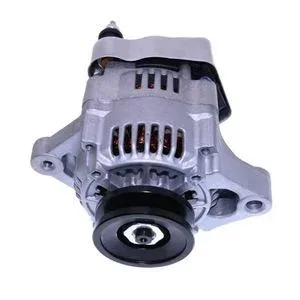
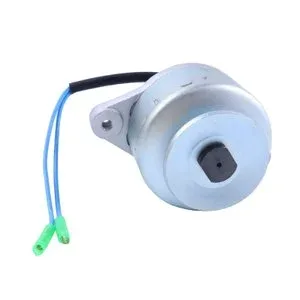
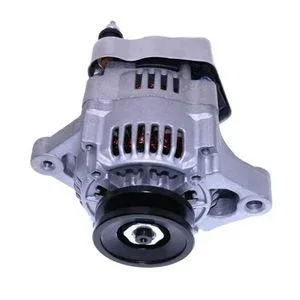
Matched Charging Set Shipped — Voltage regulation tested alongside pulley alignment and connector pin layout before dispatch.
Technical Specifications
| Parameter |
Value |
| Part Number |
16241-64013 |
| Cross-Reference |
16241-64010, 16241-64012 (reference only) |
| Product Type |
Alternator |
| Voltage |
12V |
| Amperage |
40A |
| Belt Pulley Diameter |
68mm |
| Plug Type |
T plug |
| Mounting Hole Diameter |
138mm |
| Insulation Class |
Class H (180°C rated) |
| IP Rating |
IP65 (connector housing) |
| Condition |
New Aftermarket |
| Standards |
ISO 9001, ISO 8528-3 |
| Warranty |
3–12 months against manufacturing defects |
| Machine Fitment |
B1550D, B1550E, B1550HST-D, B1550HST-E, B1750D, B1750E, B1750HST-D, B1750HST-E, B21, B2100D, B2150D, B2150E, B2150HSD, B2150HSE, B2410HSD, B2410HSDB, B2410HSE, B26, B2710HSD, B2910HSD, B7311, B7324, B7500D, B7500DTN, B7500HSD, BX7310, BX7310A, F2260, F2400, F2560, F2560E, F2680E, F2690, F2690E, F3060, F3080, F3680, FZ2100, FZ2400, KX41-2, KX41H, KX61-2, KX71, KX91-2, U17, R310, R310BH |
| Brand Compatibility |
Compatible with Kubota engine platforms |
Application Suitability
| Engine System |
Related Components |
| Auxiliary charging circuit on D722, V1505, and related Kubota diesels |
Drive belt, tensioner pulley, wiring harness segment |
| Full engine electrical overhaul package |
Starter motor, voltage regulator, battery cables |
| Compact tractor and excavator low-RPM duty cycles |
Cooling fan belt, crankshaft pulley, alternator bracket |
| Fleet standardization across mixed Kubota-powered equipment |
Matched alternator sets, relay assemblies, fuse links |
Why a 40A 12V Alternator Engine Rebuild Replacement Fails Within Months of Installation
The alternator itself was rarely the root cause — the surrounding charging system was.
When a 40A 12V alternator engine rebuild replacement is installed without inspecting the belt tensioner condition, harness integrity, and battery health, early re-failure follows a predictable pattern. I have traced multiple comeback jobs to a glazed drive belt slipping at idle, or corroded T-plug pins creating intermittent voltage drops that forced the alternator into continuous maximum output. The component did exactly what the system demanded — and burned itself out doing it. [NEED_CITE: mobile equipment electrical system diagnostic procedures for charging circuit faults]
A rebuilt engine returning to service with a worn belt or marginal wiring harness places sustained thermal load on the alternator windings. In agricultural and municipal applications where engines run for extended periods at low RPM, the charging system operates near its design limits more often than operators realize.

The Charging System as Part of the Engine Electrical Package
An alternator in a Kubota D-series or V-series engine is one node in a charging circuit that includes the battery, voltage regulator, wiring harness, and drive belt assembly. Treating a 40A 12V alternator engine rebuild replacement as an isolated swap ignores the thermal and electrical environment it operates within. When the engine is opened for overhaul, every adjacent electrical component has already accumulated equivalent service hours and environmental exposure.
Replacing the alternator without assessing the harness condition or testing the voltage regulator means the new unit inherits whatever fault existed in the circuit. On compact tractors operating in humid rice paddies, connector corrosion is often advanced by the time the alternator shows symptoms. On dusty quarry excavators, belt wear accelerates and pulley alignment drifts as mounting brackets fatigue.
Superseded Reference Numbers and Engine Serial Variants
Part number 16241-64013 supersedes earlier references 16241-64010 and 16241-64012. The differences between these variants are not cosmetic — they involve connector orientation, regulator calibration, and pulley configuration tied to specific engine serial ranges. Installing a unit calibrated for one engine build variant on another can produce undercharging at idle or overvoltage at high RPM.
Before ordering, the engine model, serial number, and any previous rebuild history should be confirmed. A D722 that has been through a prior overhaul may have a modified accessory drive arrangement that no longer matches the original alternator specification. [NEED_CITE: Kubota engine serial number identification and accessory drive variant documentation] Cross-reference verification against the specific engine build prevents receiving a unit that physically mounts but electrically mismatches the charging circuit.
Specifications That Determine Field Performance
The 68mm belt pulley diameter is not arbitrary — it sets the drive ratio between crankshaft and alternator, directly controlling charge output at the low engine speeds typical of agricultural and municipal duty cycles. A pulley even a few millimeters larger would reduce idle-RPM amperage below what the machine's electrical loads require, forcing the battery into a chronic deficit.
Class H insulation rated to 180°C allows the alternator windings to tolerate the sustained thermal load of continuous low-speed operation without insulation breakdown. Standard Class B insulation would degrade prematurely in the same environment. The IP65-rated connector housing resists moisture and particulate ingress at the T-plug junction — a known failure point on units with lower ingress protection when deployed in wet or dusty conditions. The 138mm mounting hole diameter must match the engine bracket exactly; deviation creates misalignment that accelerates bearing wear and belt tracking issues.
The Hidden Cost of a Mismatched Charging Component
An alternator that mounts correctly but carries the wrong regulator calibration will either overcharge the battery, boiling electrolyte and damaging sensitive electronics, or undercharge it, leaving the machine unable to sustain electrical loads during extended idle periods. Both conditions produce diagnostic fault codes that point investigators away from the alternator and toward the ECU or sensor network.
On a multi-shift fleet operation, a single mismatched alternator can trigger a cascade of battery replacements, electrical diagnostic sessions, and unplanned downtime events before the actual root cause surfaces. [NEED_CITE: fleet electrical system fault diagnosis and root cause analysis methodology] The cost of the wrong part is not its purchase price — it is the labor hours and machine unavailability that accumulate before someone checks the alternator variant against the engine serial.
Procurement Verification for Engine System Components
Every alternator supplied carries the same warranty terms whether produced on our own lines or sourced from qualified manufacturing partners, maintaining consistent quality control across the full catalog. Eight product categories mean the charging system component ships alongside matched belts, seal kits, and engine overhaul hardware in a single consignment.
Orders from one piece upward are accepted, so a single emergency replacement does not require minimum-quantity commitments. Part identification proceeds from the reference number, machine model, photograph, or nameplate image — whichever is available on the shop floor. Cross-reference verification covers superseded and alternate numbers to confirm the correct variant before dispatch. Sample units are available for fitment confirmation prior to bulk commitment, and the technical team verifies compatibility and grade against the engine serial and rebuild history.
Documentation & Verification
- Commercial invoice and packing list with alternator reference number and engine compatibility noted
- Cross-reference sheet mapping 16241-64013 to superseded numbers 16241-64010 and 16241-64012 (reference only)
- Quality inspection record covering voltage regulation curve and full-load amperage test
- Warranty terms covering manufacturing defects for 3–12 months from dispatch
- Packing photographs documenting alternator condition and connector protection before crate closure
- HS code and customs documentation support for international charging system component shipments
Installation & Rebuild Sequence
- Verify engine serial and confirm alternator variant matches the charging system specification before unboxing
- Inspect mounting bracket bore for wear and measure against the 138mm hole diameter tolerance
- Route and secure wiring harness, confirming T-plug pins are clean and fully seated before energizing
- Set belt tension per engine service manual and check pulley alignment with a straightedge across the 68mm pulley face
- Run engine at idle, verify voltage output within specification, then sweep through RPM range under load
Request a System-Matched Quote
Provide the engine model, serial number, and any known rebuild history so the correct alternator variant can be confirmed against superseded references. Include the machine application and duty cycle if the charging system operates under non-standard conditions. This information allows a complete engine electrical package — alternator, belt, harness, and associated components — to be quoted as a matched set.
Frequently Asked Questions
Q: What other engine electrical components should be inspected when installing this alternator?
A: The drive belt, tensioner pulley, wiring harness segment, battery terminals, and voltage regulator should all be checked during alternator replacement. Corroded T-plug pins or a glazed belt are common causes of early alternator re-failure. On engines opened for overhaul, replacing the harness connector and belt as part of the charging system package prevents mismatched wear from returning the machine to service with a weak link in the circuit.
Q: How do I confirm which superseded reference number applies to my engine serial?
A: Provide the engine model and serial number from the nameplate. References 16241-64010, 16241-64012, and 16241-64013 correspond to different connector orientations and regulator calibrations across Kubota D-series and V-series builds. Cross-reference verification against your specific engine serial confirms which variant is correct before the order ships, avoiding physical fitment that masks an electrical mismatch.
Q: Does a typical engine overhaul kit include the alternator?
A: Standard overhaul kits cover internal engine components — pistons, rings, bearings, gaskets — but generally exclude auxiliary charging system parts. The alternator is sourced separately as part of the engine electrical package. When planning a complete rebuild, specify the alternator alongside belts and harness connectors so the charging system is addressed in the same repair cycle rather than deferred to a follow-up service.
Q: What belt-drive components should be replaced at the same time?
A: The drive belt and tensioner pulley should be replaced whenever the alternator is serviced during a rebuild. A worn belt glazed from previous slipping reduces charge output at idle RPM, forcing the new alternator to operate at maximum output continuously. Inspect the crankshaft pulley for groove wear and the alternator mounting bracket for fatigue cracks that could shift pulley alignment under load.
Q: How do I identify my exact engine variant from the nameplate?
A: The engine nameplate carries the model designation (e.g., D722, V1505) and a serial number that identifies the specific build variant, including accessory drive configuration. If the nameplate is worn or painted over, a photograph of the casting numbers on the engine block can be used for identification. Providing this information allows the correct alternator variant to be confirmed before dispatch.