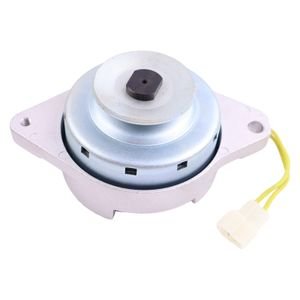
Engine Serial Variants Confirmed — alternator 16241-64013 matched to specific Kubota D/V/WG-series build codes before dispatch, not just model numbers.
Technical Specifications
| Parameter |
Value |
| Part Number |
16241-64013 |
| Product Type |
Alternator |
| Cross-Reference |
16241-64010, 16241-64011, 16241-64012, 16241-64014, 16705-64010, 16427-64011, 16427-64012, 16427-64013, KEARA-16241, KEARA-16427, 185-5994, 101211-1482, 5H730-42503 (reference only) |
| Machine Fitment |
B1550D, B1550E, B1550HST-D, B1550HST-E, B1750D, B1750E, B1750HST-D, B1750HST-E, B21, B2100D, B2150D, B2150E, B2150HSD, B2150HSE, B2410HSD, B2410HSDB, B2410HSE, B26, B2710HSD, B2910HSD, B7311, B7324, B7500D, B7500DTN, B7500HSD, BX7310, BX7310A, F2260, F2400, F2560, F2560E, F2680E, F2690, F2690E, F3060, F3080, F3680, FZ2100, FZ2400, KX41-2, KX41H, KX61-2, KX71, KX91-2, U17, R310, R310BH |
| Voltage |
12V |
| Amperage |
40A |
| Belt Pulley Diameter |
68mm |
| Plug Type |
T plug |
| Mounting Hole Distance |
138mm |
| Condition |
New Aftermarket |
| Warranty |
3–12 months against manufacturing defects |
| Factory Certification |
ISO 9001 |
Application Suitability
| Engine System |
Related Components |
| Kubota D722 / D905 / D1005 charging circuit |
Drive belt, tensioner pulley, wiring harness |
| Kubota D1105 / D1305 auxiliary electrical |
Battery terminals, ground strap, belt guard |
| Kubota V1305 / V1505 overhaul kit |
Alternator bracket hardware, pulley nut, fan belt |
| Kubota WG1005 / WG752 / Z482 gaseous fuel engines |
Ignition system wiring, voltage regulator check |
Why a Rebuilt Engine Still Shows Charging Faults After Alternator Swap
The replacement unit is rarely the root cause when charging problems return within the first service month.
In workshop practice across West African mining sites, I encountered a Kubota D1105 that went through two new alternators before anyone checked the wiring harness for corroded grounds and excessive parasitic draw from aftermarket lighting. The alternator was doing its job — the system around it was destroying it. A 16241-64013 alternator engine rebuild approach means verifying the entire auxiliary circuit before condemning the component. [NEED_CITE: electrical system parasitic load diagnostics for off-highway diesel engines]
Superseded Kubota reference numbers across the D and V series create further confusion. The same base engine block may carry different alternator brackets and plug configurations depending on production year and application — tractor, excavator, or mower. Relying on machine model alone without confirming the engine serial variant leads to fitment mismatches that waste time on the bench.

Engine Auxiliary System Pairing During Overhaul
The alternator sits at the end of the belt-drive chain on Kubota D722 through V1505 platforms. Its pulley diameter and T-plug connector must match both the bracket casting on the block and the harness connector that routes to the instrument panel. When an engine is torn down for rebuild, the 16241-64013 alternator engine rebuild planning should include inspection of the mounting ear threads, bracket-to-block alignment, and belt condition — a glazed or cracked belt will slip on the 68mm pulley and produce undercharge symptoms indistinguishable from alternator failure.
Superseded Numbers and Build-Specific Confirmation
Kubota has issued multiple reference numbers across production runs for what appears to be the same alternator. Numbers like 16241-64010 through 16241-64014, along with KEARA-series and Denso-style crossovers, represent incremental revisions in connector shape, pulley offset, or mounting ear spacing. An engine that was previously rebuilt with non-standard brackets may no longer accept the original configuration. [NEED_CITE: Kubota engine serial number variant identification for auxiliary components]
Confirming the engine serial number, not just the machine model, resolves which variant is actually needed. This matters especially on machines like the KX91-2 or B2410HSD where the same engine family was fitted across multiple production years with running changes to the electrical harness.
Electrical Specifications and Their Field Meaning
The 12V 40A rating defines the continuous output ceiling at normal operating RPM. On a compact excavator like the U17 running a Kubota D1105, this output must cover ignition loads, instrument lighting, work lights, and battery replenishment simultaneously. The T-plug connector carries the sense wire that tells the internal regulator what the battery actually needs — if that wire has resistance from corrosion, the regulator overcompensates and cooks the battery while the alternator runs at maximum field current, shortening its own life.
The 138mm mounting hole distance and 68mm belt pulley diameter are physical constraints that determine whether this unit bolts to the existing bracket without shimming or modification. A mismatch here means forced alignment, which loads the front bearing unevenly and produces early bearing failure that looks like a manufacturing defect. The T-plug pin count and orientation must match the harness — forcing a wrong connector damages the regulator board inside the unit.
The Hidden Cost of Skipping Root-Cause Diagnosis
When a charging fault is blamed on the alternator without checking upstream causes, the replacement unit absorbs the same abuse that destroyed the first one. Excessive wiring resistance, a seized tensioner pulley, or a battery with a shorted cell will all drive the new alternator beyond its thermal limits. On a remote mining site, this means another machine-down event within weeks, another teardown to access the alternator mount, and growing distrust in the parts supply chain. [NEED_CITE: alternator failure root cause analysis methodology for mobile equipment]
The cost compounds because each replacement cycle requires draining coolant on some configurations, removing the belt guard, and disturbing adjacent hoses and brackets. Labor hours accumulate while the actual fault — a corroded ground strap or a failing voltage sense wire — remains untouched.
Sourcing From a Supplier That Understands Engine Systems
Our own production lines and qualified sourced supply carry identical warranty terms, so the 16241-64013 alternator engine rebuild order is covered whether it comes from our facility or a partner plant. Eight component categories under one account means the alternator ships alongside the matching belt, tensioner, seal kit, and gasket set in a single consignment.
Minimum order starts at one piece, which matters when a single machine is down and the overhaul kit is already staged on the bench. Guangzhou warehouse stock enables fast dispatch on common Kubota auxiliary components. Part identification works from the reference number, the engine serial plate, or a photograph of the old unit and its connector — we cross-reference superseded numbers before confirming fitment. A sample can be supplied for physical verification before a bulk order is committed for fleet-level overhaul programs.
Documentation & Verification
- Commercial invoice and packing list matching alternator part number and quantity
- Compatibility and cross-reference sheet listing verified Kubota engine serial ranges (reference only)
- Pre-shipment test record covering voltage regulation curve and output current at rated RPM
- Warranty terms specifying coverage period against manufacturing defects
- Packing photographs showing unit condition before crate closure
- HS code and customs documentation for international alternator shipments
Installation & Rebuild Sequence
- Verify alternator bracket threads on the block are clean and undamaged before mounting
- Confirm 138mm hole distance matches bracket ears without requiring shims
- Route the T-plug harness away from exhaust manifold heat before connecting
- Torque mounting bolts to specification to prevent uneven bearing load
- Check belt tension and alignment on the 68mm pulley before first start
- Measure charging voltage at battery terminals during initial run-in, not at the alternator post
Requesting the Right Fitment Confirmation
Provide the Kubota engine model and serial number from the nameplate, along with any previous rebuild history or bracket modifications. If the nameplate is worn, a photograph of the old alternator connector and mounting ears allows us to cross-reference the correct variant. For overhaul kit quotations, share the full engine build code so matched belts, gaskets, and hardware can be included in a single proposal.
Frequently Asked Questions
Q: What other auxiliary components should be replaced alongside this alternator during an engine rebuild?
A: The drive belt and tensioner should be renewed as a set with the alternator on Kubota D/V-series engines. Inspect the bracket hardware and T-plug connector for corrosion. A matched belt ensures proper grip on the 68mm pulley and prevents slippage-induced undercharge that gets misdiagnosed as alternator failure.
Q: How do superseded Kubota reference numbers affect fitment on a rebuilt engine?
A: Kubota issued multiple alternator reference numbers across production years for the same engine family. A previous rebuild may have introduced non-standard brackets. Confirming the engine serial number, not just the machine model, ensures the correct mounting hole distance and plug type are supplied.
Q: Can this alternator be quoted as part of a complete overhaul kit?
A: Yes. The alternator can be bundled with piston sets, gasket kits, bearing shells, and belt-drive components in one shipment. Specify the engine build code so all items match the same serial variant and oversize grade where applicable.
Q: How do you distinguish alternator failure from a wiring root cause?
A: Measure voltage at the battery and at the alternator sense wire simultaneously under load. A significant difference indicates harness resistance. Check ground strap continuity and battery health before condemning the alternator — a shorted cell drives the unit beyond its 40A rating continuously.
Q: What engine serial information confirms the correct alternator variant?
A: The Kubota engine serial number from the nameplate, combined with the machine model and production year, resolves which reference number variant applies. When the plate is illegible, photographs of the old unit's connector, pulley, and mounting ears enable cross-reference verification.

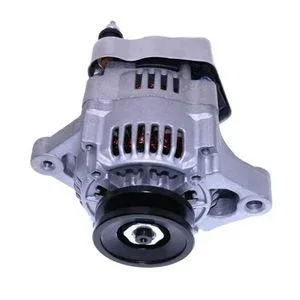
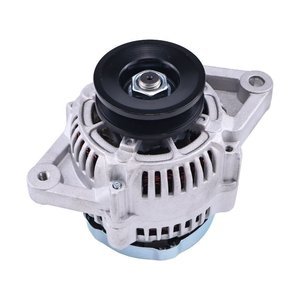
![10044 → 1+0+0+4+4 = 9 9 mod 6 = 3 → [品牌/机型]-Compatible [品类词] – [站点修饰词] 第一层 xunpomachineryparts.com → Engine Grade / Rebuild Kit / Matched Set / Overhaul Component / Powertrain / System-Matched 9 mod 6 = 3 → Overhaul Component 12V Alternator 30-00423-00 for Carrier Genesis – Overhaul Component](https://xunpomachineryparts.com/wp-content/uploads/2026/08/10044-e28692-10044-9-9-mod-6-3-e28692-e59381e7898c-e69cbae59e8b-compatible-e59381e7b1bbe8af8d-e7ab99e782b9e4bfaee9a5b0e8af8d-e7acac-a1980c.webp)