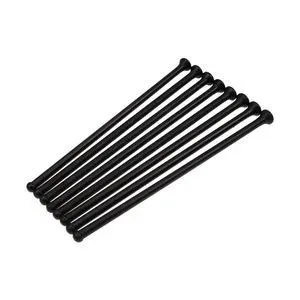
Verified Engine Variant Matching — Every 02109085 push rod set is cross-checked against the exact Deutz engine suffix before dispatch, preventing length mismatch across F, BF, and M series blocks.
Technical Specifications
| Parameter |
Value |
| Part Number |
02109085 |
| Cross-Reference |
0210-9085, 0210 9085, 2109085 (reference only) |
| Product Type |
Push Rod |
| Machine Fitment |
D2011L02, D2011L03, D2011L04I, F2L2011, F2L1011F, F2L1011FT, BF2L2011, BF2L1011F, BF2L1011FT, F3L2011, F3L1011F, F3L1011FT, BF3L2011, BF3L1011F, BF3L1011FT, F4L2011, F4L1011F, F4L1011FT, BF4L2011, BF4L1011F, BF4L1011FT, F2M1011F, F3M1011F, F4M1011F, BF2M1011F, BF3M1011F, BF4M1011F |
| Brand Compatibility |
Designed to replace components in Deutz engines |
| Kit Contents |
8 Push Rods |
| Condition |
New Aftermarket |
| Quality Standard |
ISO 9001 |
| Warranty |
3-12 months against manufacturing defects |
| Minimum Order Quantity |
1 piece |
Application Suitability
| Engine System |
Related Components |
| Valve Train Actuation |
Tappets, rocker arms, valve springs |
| Cylinder Head Assembly |
Valve stem seals, rocker shaft bushings |
| Camshaft Drive Group |
Cam lobes, timing gears |
| Lubrication Circuit |
Oil galleries feeding tappet bores |
Why the Same Push Rod Part Number Can Fail on Day One
A push rod that physically fits may still cause early valve train failure if the engine variant and rebuild history are not verified.
When a workshop orders a replacement push rod based only on the base engine family, the installed component might be slightly off in length or end-profile geometry for that specific suffix variant. The result is not immediate seizure but accelerated wear on the rocker arm ball socket and tappet face, leading to audible clatter within the first few hundred operating hours. In my time handling warranty returns across the Guangzhou parts hub, I saw this pattern repeatedly on Deutz 2011 and 1011 series rebuilds — the root cause traced back to a mismatch between the push rod specification and the block variant, especially where the crankshaft had previously been ground undersize and the valve train geometry shifted accordingly [NEED_CITE: valve train geometry tolerance standards for air-cooled diesel engines].
The System Behind the Push Rod
This component sits at the center of the valve actuation chain. The cam lobe lifts the tappet, which pushes this rod upward into the rocker arm, pivoting it to open the valve against spring pressure. Any wear or deformation in the push rod ends transfers irregular loading through the entire chain. When planning a Push Rod engine rebuild replacement, the adjacent tappet faces and rocker arm ball sockets must be inspected simultaneously, because a worn tappet will chew up a new push rod end within weeks.
Matching the Engine Suffix to the Correct Rod
The Deutz F, BF, and M designations represent different block castings and cylinder head configurations within the same displacement family. A BF4L1011FT includes a turbocharger and intercooler, which changes thermal loading and may require different valve timing overlap. This means the push rod length and end hardening specification can differ from a naturally aspirated F4L1011F even though both share the 1011 base number. Our technical team verifies the full engine plate designation against the cross-reference table before confirming fitment, catching variant conflicts before the package ships [NEED_CITE: Deutz engine suffix nomenclature and parts differentiation].

Decoding the Specifications That Matter
The kit delivers 8 push rods as a matched set, which is critical because mixing new and old rods in the same valve train creates uneven loading across cylinders. The ISO 9001 production standard governs dimensional tolerance on overall length and end sphere radius — two parameters that directly set the valve lash adjustment range available to the mechanic during assembly. When the length drifts outside tolerance, the mechanic either cannot achieve zero lash or runs excessive preload, both of which cause premature failure. The 3-12 month warranty window covers material defects such as end spalling or shaft bending under normal operating loads, giving rebuild shops confidence to commit the component to an overhaul without carrying uninsurable risk.
The Hidden Cost of Skipping System Diagnosis
Replacing a bent push rod without investigating why it bent is the most common reason for repeat valve train failure within one service interval. The typical causes are a seized tappet in its bore, insufficient oil reaching the push rod gallery, or a rocker arm bushing worn beyond clearance limits. If the underlying fault is not corrected, the new push rod absorbs the same misalignment and fails in the same manner. I have processed returns where the customer blamed the rod quality, but inspection of the accompanying old parts showed scored tappet bores and collapsed oil gallery plugs — the failure was systemic, not component-level [NEED_CITE: diesel engine valve train failure root cause analysis methodology].
Why Rebuild Shops Source This Component Here
Our own production lines and qualified sourced supply operate under identical quality control and warranty terms, so whether this push rod set comes from our internal facility or a vetted partner, the inspection standard is the same. Eight product categories ship under one account, meaning a complete valve train job — push rods, seal kits, gaskets, filters — consolidates into a single dispatch from the Guangzhou warehouse. Orders start at one piece for emergency single-cylinder repairs, and our technical team verifies compatibility from an engine plate photograph when the stamped numbers are no longer legible. Sample supply is available for fitment confirmation before a fleet operator commits to bulk overhaul quantities.
Documentation & Verification
- Commercial invoice listing each push rod kit with engine suffix variant noted
- Cross-reference sheet mapping 02109085 to alternate numbers for identification purposes
- Dimensional inspection record covering length tolerance and end sphere radius
- Warranty certificate specifying coverage period and claim conditions
- Packing photographs showing rod separation and end protection before crating
- HS code provided for customs clearance at destination port
Installation & Rebuild Sequence
- Verify tappet bore condition and free movement before inserting new push rods into guides
- Check rocker arm ball socket wear pattern; replace rocker if pitting is visible on contact face
- Set valve lash to specification after initial run-in at low idle, then re-check after thermal stabilization
- Inspect oil gallery flow to push rod positions during assembly to confirm lubrication reaches tappet faces
- Record engine serial number and push rod kit batch on rebuild log for future service reference
Share Your Engine Details for Accurate Matching
Provide the full Deutz engine model including all suffixes, the engine serial number from the data plate, and any known rebuild history such as crankshaft grinding or previous oversize work. If the plate is damaged, send clear photographs of any remaining stampings along with the machine model the engine powers. This information allows us to confirm the correct push rod specification and recommend which associated valve train components should be included in the overhaul kit.
Frequently Asked Questions
Q: Should I replace all push rods as a set or only the damaged one?
A: Replacing the full set is standard practice during an overhaul because fatigue life varies across cylinders. A single new rod among older ones creates uneven valve timing and loading, which accelerates wear on the new component and its associated rocker arm. For a single-cylinder repair on a machine that must return to service immediately, individual replacement is acceptable provided the remaining rods are inspected for straightness and end wear.
Q: My engine is a BF4L1011FT — does it use the same push rod as an F4L1011F?
A: These suffix variants can differ in valve train geometry due to turbocharger-related timing changes. The base 1011 number is shared, but the BF and FT designations may require a different rod length or end profile. We verify the complete engine plate designation against the cross-reference data before confirming fitment, so providing your exact suffix ensures the correct variant ships.
Q: What other valve train parts should I inspect when replacing push rods?
A: Check the tappet faces for scoring or pitting, measure rocker arm ball socket clearance, and verify the rocker shaft bushing condition. Inspect oil gallery passages feeding the tappet bores for blockage. Any fault in these adjacent components will damage the new push rods within a short operating period, repeating the original failure.
Q: The old push rod ends show deep pitting — is that a rod defect?
A: End pitting usually indicates a systemic issue rather than a rod manufacturing fault. Common causes include a seized tappet, insufficient lubrication reaching the valve train gallery, or excessive valve spring preload from a previous incorrect assembly. Investigating and correcting the root cause prevents the replacement set from suffering identical damage.
Q: How do I confirm my engine model when the data plate is unreadable?
A: Send clear photographs of any remaining stamped numbers on the block, the cylinder head casting marks, and the machine model the engine is installed in. Our technical team cross-references these visual identifiers against engine build records to determine the correct suffix variant and push rod specification, even when the original plate is painted over or corroded.