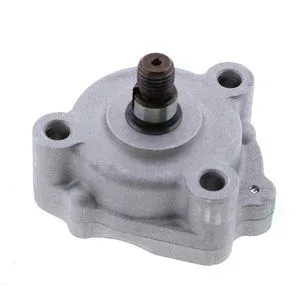
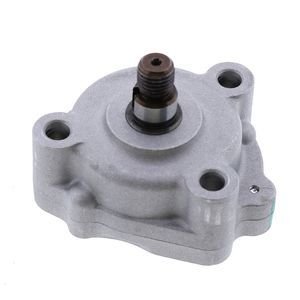
Complete Lubrication Rebuild Kit Audit — oil pump matched to Kubota D-series engine variants and serial-specific tolerances
Technical Specifications
| Parameter |
Value |
| Part Number |
16851-35012 |
| Product Type |
Oil Pump |
| Cross-Reference |
16851-35010, 16851-3501-0, 1685135010, 16851-35014, 15841-35010, 1685135014, 1584135010, 1685135012 (reference only) |
| Engine Fitment |
D722, D782, D902, DF752, DF972, DG972, WG750, WG752, WG972, Z402, Z482, Z602, D722-E2B-ACP-1, D722-E2B-BMG-1, D722-E2B-LCN-1, D722-E2B-LCN-2, D722-E2B-MLR-1, D722-E2B-MRG-1, D722-E2B-RAND-3, D722-E2B-TMS-1, D722-E2B-WDDE-2, D722-E2B-WDDE-3, D722-E2B-WLKR-1, D722-E3B-BMG-1, D722-E3B-LCN-1, D722-E3B-LCN-2, D722-E3B-MLR-1, D722-E3B-MRG-1, D722-E3B-WDDE-2, D722-E3B-WDDE-3, D722-E3B-WLKR-1, D722-E4B-DYP-1, D722-E4B-LCN-1, D722-E4B-MLR-1, D722-E4B-TRX-1, D722-E4B-WLK-1, D722-EB-BOMAG-1E, D722-EB-KAESER-1, D722-EB-KOOI-1, D902-E2B-HQV-1, D902-E2B-SCG-1, D902-E3B-EXMK-1, D902-E3B-MRG-2, D902-E3B-SCG-1, D902-E3B-VMR-1, D902-E3B-WDS-1 |
| Condition |
New Aftermarket |
| Warranty |
3–12 months against manufacturing defects |
| Flow Rate |
12.5 L/min @ 2,500 RPM |
| Minimum Pressure |
4.5 bar |
| Gear Material |
Hardened alloy steel |
| Internal Clearance Tolerance |
±0.015 mm |
| Shaft Runout |
≤0.03 mm |
| Gasket Material |
Nitrile rubber with fluorocarbon reinforcement |
| Surface Treatment |
Phosphate coating + oil immersion |
| Standards |
ISO 9001, ISO 4406:2017 |
Application Suitability
| Engine System |
Related Components |
| Main lubrication circuit |
Oil filter, oil cooler, relief valve, main/rod bearings |
| D722 / D902 overhaul |
Front cover gasket, crankshaft seals, bearing shells |
| Zero-turn mower hydraulics |
Hydraulic pump drive interface, suction screen |
| Compact excavator powertrain |
Timing gear cover, camshaft bearing oil gallery |
| Agricultural tractor service |
Oil pressure sender, bypass valve assembly |
Why the Engine Fails Again After a New Pump Is Installed
An oil pump rarely fails in isolation; the root cause usually sits upstream in the lubrication circuit.
When a D722 or D902 engine comes back with low oil pressure weeks after a rebuild, the fault is almost never the replacement pump itself. Contaminated oil from a breached seal, bearing debris recirculating through the galleries, or a stuck relief valve will destroy a new pump quickly. Rebuild shops that swap the oil pump 16851-35012 without diagnosing the system-level cause end up absorbing the cost of a second teardown [NEED_CITE: diesel engine lubrication system root cause analysis procedures]. The pattern repeats across equipment types — from zero-turn mowers running biodiesel blends to compact excavators operating in high-dust environments — because the underlying contamination pathway is never closed.

Tracing the Failure Path Through the Lubrication Circuit
The oil pump 16851-35012 sits at the start of a chain that includes the suction screen, relief valve, oil cooler, filter, and finally the main and rod bearing galleries. A blocked suction screen starves the pump, causing cavitation and gear scoring. A worn relief valve allows pressure to spike or collapse unpredictably. Each of these conditions produces damage that looks like pump failure on teardown but actually originates elsewhere. Addressing the oil pump without inspecting the full circuit means the new component inherits the same destructive environment.
Engine Serial Variants and What They Change Inside the Block
Kubota D-series engines carry suffixes like E2B, E3B, and E4B that denote emission tier and internal configuration differences. These variants can alter the pump drive interface geometry, front cover gasket profile, and oil gallery routing. A pump that physically bolts on may still misalign the drive tang or leave a gap at the gasket sealing surface if the serial variant is not confirmed. The same base number 16851-35012 ships across multiple variants, but the surrounding components — particularly the front cover gasket and drive coupling — must match the specific engine build [NEED_CITE: Kubota D-series engine serial suffix configuration differences].
Reading the Specs That Matter for Rebuild Tolerance
Internal clearance tolerance of ±0.015 mm governs how tightly the gear set meshes within the housing. Tighter clearance maintains pressure at low RPM but demands clean oil to avoid scoring. The hardened alloy steel gear material resists abrasive wear from normal particulate but remains vulnerable to large metallic debris from failing bearings. Shaft runout held to ≤0.03 mm ensures the drive shaft does not wobble under load, which would otherwise wear the pump bore oval and cause pressure decay over time. The nitrile rubber gasket with fluorocarbon reinforcement handles both conventional and low-SAPS oil formulations, maintaining seal integrity across the temperature range typical in D722 and D902 applications.
The Cost of Skipping System-Level Diagnosis
A rebuild shop that installs a new oil pump without replacing the suction screen gasket or verifying relief valve operation faces a predictable outcome: the engine returns within a few hundred hours with the same low-pressure complaint. The labor cost of a second teardown dwarfs the price of the additional seals and gaskets that should have been replaced during the first rebuild. Shops working on fleet equipment — municipal grounds fleets, rental yards with mixed Kubota-powered machines — absorb this repeat failure cost across multiple units when the diagnostic protocol does not extend beyond the pump itself [NEED_CITE: engine rebuild comeback rate and lubrication system contamination].
What This Supply Channel Delivers for Engine Rebuilds
Our own production lines and qualified sourced supply operate under one account and one warranty, so the oil pump and its matched gaskets ship from a single source with consistent quality documentation. Eight product categories mean the complete lubrication overhaul — pump, seals, filters, fasteners — consolidates into one consignment rather than arriving from multiple suppliers on different schedules. Minimum order from one piece supports the emergency single-engine rebuild without forcing a stock commitment. Guangzhou warehouse stock on common Kubota D-series items enables fast dispatch. Part identification works from the engine serial number, a photograph of the nameplate, or the worn part itself. Cross-reference verification covers superseded numbers including 16851-35010, 16851-35014, and 15841-35010. Sample supply is available for fitment confirmation before bulk orders, and our technical team confirms compatibility and size grade against the specific engine serial.
Documentation & Verification
- Commercial invoice and packing list referencing oil pump 16851-35012 with engine serial match
- Part compatibility and cross-reference sheet for D722/D902 variants marked reference only
- Quality inspection record with flow rate and pressure test data at rated RPM
- Warranty terms covering manufacturing defects for 3–12 months from dispatch
- Packing photographs showing anti-rust oil coating and foam protection before sealing
- HS code and customs documentation support for lubrication system component export
Installation & Rebuild Sequence
- Clean oil pan and suction screen before pump installation to prevent immediate gear scoring
- Verify front cover gasket profile matches the specific D722 or D902 serial variant
- Torque pump mounting bolts to specification and check shaft runout before cover closure
- Prime the oil pump with clean oil through the filter housing before first cranking
- Confirm minimum 4.5 bar oil pressure at idle before returning the engine to load
Provide Engine Details to Confirm Your Rebuild Match
Share the engine model, serial number, and any suffix designation from the nameplate so we can verify the correct pump drive configuration and gasket profile. If the nameplate is worn or painted over, a photograph of the front cover and existing pump mounting pattern allows identification. For engines with prior rebuild history, note any oversize bearings or modified components so the lubrication system supply can be matched to the current block condition.
Frequently Asked Questions
Q: What other lubrication components should be replaced when changing this oil pump?
A: The suction screen gasket, front cover gasket, relief valve spring, and oil filter should all be replaced during the same service. The oil cooler should be flushed to remove metallic debris from the failed pump. Bearing shells should be inspected for scoring that indicates contamination recirculated through the galleries before the pump was replaced.
Q: My engine serial has a suffix like E2B or E3B — does the same pump fit all variants?
A: The base pump number 16851-35012 fits across multiple D-series variants, but the front cover gasket profile and pump drive interface can differ between E2B, E3B, and E4B configurations. Confirm the full serial designation so the correct gasket and drive coupling are included in the supply package.
Q: What caused the original pump to fail, and how do I prevent recurrence?
A: Common root causes include contaminated oil from a breached crankshaft seal, metallic debris from worn bearings entering the suction side, or a stuck relief valve causing pressure spikes. Inspect the full lubrication circuit and replace the suction screen gasket to prevent the new pump from inheriting the same destructive conditions.
Q: Can I order a complete lubrication system overhaul kit instead of individual parts?
A: Yes. We consolidate the oil pump, matched gaskets, seals, oil filter, and suction screen components into a single shipment matched to your specific engine serial. This eliminates partial deliveries and ensures all required items arrive together for a complete rebuild without secondary orders.
Q: How do I confirm my exact Kubota engine model from a worn or painted-over nameplate?
A: Send a photograph of the engine block casting numbers, the front cover, and the existing pump mounting pattern. Our technical team cross-references these visual identifiers against the D722, D782, D902, and related engine series to confirm the exact model and applicable lubrication components.