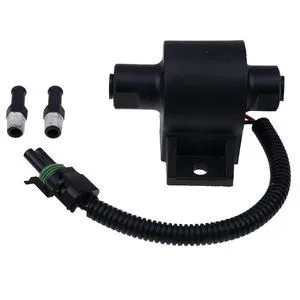
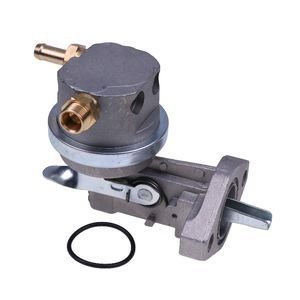
Matched fuel system kits — we verify lift pump, filter, and line compatibility against your Kubota engine serial before dispatch, preventing the mismatched overhaul kits I have seen halt mining excavators in West Africa.
Technical Specifications
| Parameter |
Value |
| Part Number |
RD411-51353 |
| Cross-Reference |
RD411-51353, RD41151353 (reference only) |
| Machine Fitment |
Kubota KX018-4, KX030-4, KX033-4, KX040-4, KX057-4, KX057-5, KX080-3, KX080-4, KX121-3, KX161-3, KX41-3, KX71-3, KX91-3S, U15, U17, U25S, U27-4, U35-4, U45S, U48-5, U55, U55-4, U55-5, L3301, L3560, L3901, L4060, L47, L4701, L4802, L5060, M6060, M7060, MX4800, MX5200, SVL75-2, SVL90-2 series |
| Product Type |
Fuel Pump |
| Voltage |
12V |
| Pump Type |
Electric Lift Pump |
| Condition |
New Aftermarket |
| Standard |
ISO 9001 |
| Warranty |
3-12 months against manufacturing defects |
Application Suitability
| Engine System |
Related Components |
| Primary Fuel Delivery |
Fuel filters, water separators, and inline strainers that must be evaluated for restriction before pump installation |
| Low-Pressure Supply Circuit |
Fuel lines, banjo bolts, and return hoses where internal degradation causes starvation that mimics pump failure |
| Injection System Interface |
Injector feed lines and spill returns where backpressure from a blocked return can overload the lift pump diaphragm |
| Electrical Supply |
Wiring harness connectors, relays, and fuses that must be verified for voltage drop before condemning the pump |
Why a Fuel Pump RD411-51353 Engine Replacement Fails Again Within Months
The lift pump rarely fails in isolation — replacing it without diagnosing upstream contamination or downstream restriction treats the symptom, not the system fault.
In my time supporting repair centres across Nigerian mining sites, I have documented multiple instances where a fresh 12V electric lift pump was installed on a U45S or KX121-3 excavator, only to fail again before the next scheduled service. The root cause was almost always elsewhere in the fuel circuit: a collapsed inner lining on the suction hose, a water separator that had never been drained, or injector return lines partially blocked by microbial growth in stored diesel [NEED_CITE: diesel fuel microbial contamination and filter restriction standards]. Each of these conditions forces the lift pump to work against a vacuum or backpressure it was never designed to handle. An engine rebuild shop that quotes a complete fuel system inspection alongside the pump swap avoids the costly comeback.

The Fuel Circuit This Pump Actually Serves
The Fuel Pump RD411-51353 engine replacement sits at the low-pressure end of the Kubota fuel system, drawing diesel from the tank and delivering it through the primary filter to the injection pump inlet. On KX, U, and L series engines, this 12V electric lift pump maintains a steady supply head so the high-pressure injection pump never starves during high-load cycles. If the primary filter is overdue or the tank pickup sock is clogged, the lift pump cavitates — and cavitation erodes internal surfaces just as surely as abrasive contamination does. Addressing only the pump while ignoring filter service intervals is a system-level oversight that engine rebuild shops encounter repeatedly [NEED_CITE: fuel system cavitation damage mechanisms in diesel lift pumps].
Engine Serial Variants and Connector Differences
Across the Kubota excavator and tractor range, the base fuel pump design remains consistent, but engine serial number variants introduce differences in wiring harness connector shape, mounting bracket orientation, and port thread specification. A pump pulled from a KX080-4 may not plug directly into the harness of an L4060HSTC without verifying the connector type. This is where cross-reference verification against the specific engine serial — not just the machine model — prevents the wrong variant from shipping. We always ask for the engine serial or a photograph of the original pump connector before confirming the dispatch variant.
Voltage Stability and Electrical Connector Integrity
A 12V electric lift pump depends on stable voltage to maintain its rated flow. On machines where the alternator output is marginal or wiring has degraded in high-ambient-temperature mining environments, the pump may receive below-nominal voltage at the connector. This reduces flow rate progressively rather than causing an immediate hard failure, which makes the diagnosis harder — the engine loses power under load, and the mechanic suspects injectors or compression before checking the supply circuit [NEED_CITE: voltage drop diagnostic procedures for 12V mobile equipment fuel pumps]. Verifying voltage at the pump connector under cranking and running conditions is a step that separates a lasting repair from a repeat complaint.
The Cost of Skipping System-Level Diagnostics
When a repair centre installs a new lift pump without inspecting the suction hose inner lining, the fuel tank pickup, and the primary filter housing, the machine may run well for a short period before the same starvation condition destroys the replacement. The second failure then gets blamed on part quality rather than incomplete diagnosis. I have seen this cycle repeat on Kubota U-series excavators where the suction hose had developed internal delamination invisible from the outside — a condition only found by disconnecting and inspecting the hose bore. The hidden cost is the second teardown, the second round of freight, and the customer's eroded confidence in the repair shop [NEED_CITE: hidden fuel line degradation inspection methods for mobile diesel equipment].
Why Rebuild Shops Source This Pump Through Our Account
We operate our own production lines on selected fuel system components and source the remainder from qualified ISO 9001 manufacturing partners — both supply paths carry the same quality inspection and warranty terms. A complete fuel system job list, from lift pumps to filter heads to injector leak-off lines, consolidates under one account and one warranty. Our Guangzhou warehouse stocks common Kubota fuel system items for fast dispatch, while less common variants are identified from a machine model, engine serial, or a photograph of the nameplate. Technical staff verify the connector type, port thread, and mounting pattern against the engine serial before the order is released. Sample units ship for fitment confirmation before a rebuild shop commits to a bulk stocking order.
Documentation & Verification
- Commercial invoice listing each fuel system line item with cross-reference numbers marked reference only
- Part compatibility sheet matching pump variant to your specific Kubota engine serial range
- Quality inspection record covering flow rate and pressure test at rated 12V input
- Warranty terms document specifying coverage period and claim procedure for fuel pumps
- Packing photographs showing pump, connector, and mounting hardware before crate closure
- HS code and customs documentation prepared for fuel system component export classification
Installation & Rebuild Sequence
- Verify suction hose bore condition before connecting the new RD411-51353 pump to prevent immediate contamination
- Confirm 12V connector pin orientation matches the engine harness before applying power to avoid polarity damage
- Prime the fuel filter housing manually before energizing the pump to prevent dry-run cavitation on first start
- Check injector return line flow after installation to ensure backpressure does not overload the new lift pump
- Run the engine at idle for a defined break-in period and monitor fuel pressure at the injection pump inlet
Request a System-Matched Fuel Pump Quote
Provide your Kubota engine model, engine serial number, and any available photograph of the existing pump connector or nameplate. If the machine has had a previous engine overhaul, note any non-standard components that may affect fuel system configuration. Our technical team will confirm the correct pump variant, identify adjacent fuel system components that should ship together, and return a consolidated quote covering the complete repair scope.
Frequently Asked Questions
Q: What other fuel system parts should be replaced alongside the lift pump?
A: We recommend inspecting the primary fuel filter, water separator element, suction hose, and injector return lines whenever a lift pump is replaced. On Kubota KX and U series excavators, the tank pickup sock and banjo bolt sealing washers are also common wear items. Including these in a single order ensures the fuel system is fully addressed and ships as one consolidated consignment.
Q: Does the same pump number fit every Kubota engine serial variant?
A: The base RD411-51353 reference covers a wide Kubota range, but connector type, mounting bracket orientation, and port thread can differ between engine serial variants. We verify your specific engine serial against our cross-reference data to confirm the correct physical variant ships. Always provide the engine serial or a clear nameplate photograph with your enquiry.
Q: How do I identify the root cause of lift pump failure?
A: Check the suction hose for internal delamination, verify the primary filter is not restricted, confirm the fuel tank is free of sediment, and measure voltage at the pump connector under load. A lift pump that failed from cavitation will show different internal wear patterns than one that failed from electrical overload. We support your diagnosis with technical guidance on Kubota fuel system fault isolation.
Q: Can I order a complete fuel system overhaul kit for my Kubota engine?
A: Yes. Beyond the lift pump, we supply matched fuel filters, injector seal kits, fuel line assemblies, and return hose sets for Kubota engine families. Provide your engine model and serial number, and we will compile a kit list that covers every fuel circuit component your rebuild requires — all under one account and one warranty.
Q: How do I confirm my engine model if the nameplate is worn or missing?
A: Send us a photograph of the engine block casting numbers, the existing fuel pump, and the wiring harness connector. Our technical team cross-references these against Kubota engine family records to identify the correct model and serial range. This approach has resolved identification for machines working in abrasive conditions where plates deteriorate quickly.