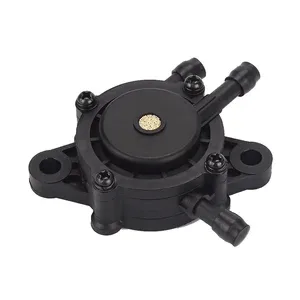
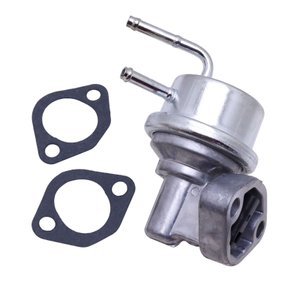
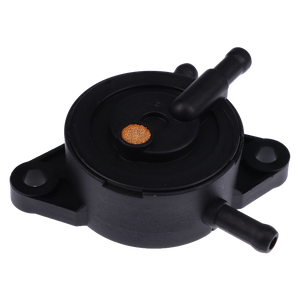
System-Matched Supply — every fuel pump ships with verified cross-reference data for Kohler SV710–SV725 and compatible engine families, ensuring the replacement addresses the fault, not just the symptom.
Technical Specifications
| Parameter |
Value |
| Part Number |
24-393-02 24-393-04 24-393-16 24-393-16-S |
| Product Type |
Fuel Pump |
| Cross-Reference |
24-393-02, 24-393-04, 24-393-16, 24-393-16-S (reference only) |
| Engine Model Fitment |
Kohler SV710, SV715, SV720, SV725, SV591, SV600, SV601, SV610, SV620, CH13–CH750, CV17–CV1000, ECH440–ECH749, ECV630–ECV980, KT715–KT745, LV625–LV680, XT675–XT800, ZT710–ZT740 |
| Condition |
New Aftermarket |
| Warranty |
3–12 months against manufacturing defects |
| Housing Material |
Reinforced polyamide with glass-fiber fill |
| Diaphragm Material |
Nitrile rubber (NBR) |
| Max Pressure |
200 kPa |
| Surface Temperature Rating |
120°C |
| Sealing Configuration |
Integrated O-ring grooves with Viton backup rings |
| Fuel Compatibility |
Ethanol-blended fuels up to E15 |
| Max Suction Lift |
1.2 meters |
| Operating Temperature Range |
-10°C to +55°C |
| Standards |
ISO 9001, ISO 8573-1 Class 4 |
Application Suitability
| Engine System |
Related Components |
| Kohler SV710–SV725 fuel delivery |
Fuel filter, fuel lines, carburetor rebuild kit, tank vent valve |
| Kohler CH13–CH750 fuel supply |
Inline fuel filter, fuel hose clamps, carburetor needle and seat |
| Kohler CV17–CV1000 fuel transfer |
Fuel shutoff solenoid, fuel bowl gasket, primer bulb assembly |
| Kohler ECH440–ECH749 fuel system |
Fuel pump pulse line, crankcase breather, sediment bowl screen |
| Kohler KT715–KT745 fuel circuit |
Fuel tank pickup tube, vapor separator, carburetor float assembly |
Why a Fuel Pump Swap Alone Fails Within Weeks on Kohler SV Engines
The failed pump is the symptom, not the root cause. When a Fuel Pump engine rebuild replacement for Kohler SV710 SV725 returns to the bench within a few weeks of overhaul completion, the upstream contamination that killed the first unit was never addressed.
I have pulled diaphragms apart on these engines and found debris embedded in the NBR membrane — material that came straight from a degraded fuel line or an overlooked tank sediment layer. The crankcase pulse port that drives this pump type can also carry varnish buildup from blow-by gases, restricting the vacuum signal the diaphragm needs to cycle properly. [NEED_CITE: small engine fuel system contamination root cause analysis for rebuild shops] Replacing the pump without cleaning the pulse line, swapping the filter, and inspecting the carburetor needle seat is a predictable path to the same failure repeating. Engine rebuild shops see this cycle often: a unit leaves the bench, runs for a short period, then starves for fuel again under load — and the diagnosis starts over from scratch.

Fuel Delivery System Context for Kohler SV, CH, and CV Families
This Fuel Pump sits in the middle of a pressure and flow chain that begins at the fuel tank vent and ends at the carburetor bowl. On Kohler SV710 through SV725 variants, the pump receives its actuation signal from crankcase pressure pulses routed through a dedicated hose nipple. If that pulse hose is cracked, pinched, or internally collapsed, the diaphragm never receives the full displacement signal — and the pump moves less fuel per cycle than the engine demands under load. The same logic applies across the CH13–CH750 and CV17–CV1000 ranges, where port geometry on the crankcase cover can differ between early and late production serial prefixes. A Fuel Pump engine rebuild replacement for Kohler SV710 SV725 must be evaluated as one link in that chain, not as an isolated component.
Serial Variant Differences That Change Port Configuration
Across the Kohler engine families covered here, the crankcase pulse port location and hose barb diameter have shifted between production runs. An SV720 built in an earlier serial range may carry a straight barb fitting, while a later unit of the same model uses an angled connector with a different internal bore. [NEED_CITE: Kohler engine serial prefix identification for fuel system component compatibility] When ordering, the engine serial prefix — not just the model designation — determines which variant of this pump matches. The same caution applies to the CH and CV series, where the mounting pattern on the crankcase cover can rotate the outlet port by a meaningful angle. Rebuild shops that stock a single variant across all serial ranges risk receiving returns from installers who found the outlet hose routing impossible without kinking the line.
Diaphragm Material and Ethanol Tolerance in Modern Fuel Blends
The NBR diaphragm in this pump is specified to handle ethanol-blended fuels up to E15, which is relevant because ethanol accelerates degradation in older elastomers not designed for blended fuel exposure. The reinforced polyamide housing with glass-fiber fill resists the swelling and softening that ethanol-blended fuel causes in unreinforced plastics over extended contact. The Viton backup rings behind the integrated O-ring grooves provide a secondary seal barrier at temperatures up to 120°C at the housing surface — important because exhaust proximity on compact mower frames can push local ambient temperatures well above the operating range of the fuel itself. [NEED_CITE: elastomer compatibility standards for ethanol-blended small engine fuel systems] When a previous rebuild used a pump with non-ethanol-rated seals, the diaphragm can stiffen and crack within a single operating season, mimicking a contamination failure when the actual root cause is chemical incompatibility.
The Hidden Cost of Skipping Upstream Fuel System Inspection
When a rebuild shop replaces only the pump and reassembles, any sediment or varnish remaining in the fuel lines or carburetor bowl gets pulled straight through the new diaphragm on first startup. The debris scores the NBR membrane surface, and what started as a clean install degrades into a warranty return. Shops that skip the pulse line inspection also miss internal collapse of aging rubber hoses — a condition invisible from the outside that starves the pump of its actuation signal. [NEED_CITE: fuel line internal degradation inspection methods for small engine overhaul] The cost is not the pump itself; it is the second teardown, the second set of gaskets, and the credibility loss when the equipment owner brings the machine back with the same complaint. Repeat failures traced to upstream neglect are among the most common reasons rebuild shops lose accounts to competitors who quote the complete fuel system restoration.
Why Engine Rebuild Shops Source This Fuel Pump Through XUNPO
Our Guangzhou facility and qualified sourcing network supply this pump under one account and one warranty, so a shop rebuilding multiple Kohler families does not manage separate vendor relationships for SV, CH, CV, and ECH variants. We accept identification from engine model, serial prefix, or a photograph of the existing pump and port layout — removing guesswork when the nameplate is worn or painted over. Cross-reference verification covers all four reference numbers (24-393-02, 24-393-04, 24-393-16, 24-393-16-S) including superseded variants that older service manuals may list. Minimum order is one unit, so a shop can order a sample for fitment confirmation on an unfamiliar serial variant before committing to bulk stock. Our technical team confirms port configuration and hose barb sizing against the specific engine serial prefix before the order ships.
Documentation & Verification
- Commercial invoice listing each fuel pump variant by exact Kohler engine serial prefix match
- Cross-reference sheet mapping 24-393-02 through 24-393-16-S to applicable engine families (reference only)
- Dimensional inspection record covering port spacing, barb diameter, and mounting hole pattern
- Warranty terms document specifying coverage period for manufacturing defects
- Packing photographs showing sealed anti-static foam packaging before crate closure
- HS code and customs classification support for international fuel system component shipments
Installation & Rebuild Sequence
- Verify crankcase pulse port location and barb diameter against engine serial prefix before removing old pump
- Flush fuel lines and replace inline filter to eliminate sediment that would score the new NBR diaphragm
- Inspect pulse hose for internal collapse by blowing through it — restricted flow causes immediate pump underperformance
- Torque mounting fasteners evenly to avoid warping the reinforced polyamide housing against the crankcase surface
- Prime the carburetor bowl manually before first cranking to avoid dry-running the diaphragm on startup
- Run the engine at idle for several minutes and check all fuel connections for seepage before applying load
Request a System-Matched Quote
Provide the Kohler engine model, serial prefix, and any visible markings from the existing pump housing. If the nameplate is unreadable, send a photograph of the port configuration and mounting pattern. Include whether the fuel lines and filter have been inspected or replaced during this rebuild cycle. We will confirm the correct variant and return a matched component list for the complete fuel system restoration.
Frequently Asked Questions
Q: What other fuel system components should be replaced together with this pump during an engine rebuild?
A: Replace the inline fuel filter, inspect and likely replace the pulse hose, and rebuild or clean the carburetor including the needle seat and float assembly. Fuel lines showing any surface cracking or internal softening should be swapped. The tank vent valve should also be checked — a blocked vent creates vacuum that the pump cannot overcome regardless of its condition.
Q: How do I confirm which OEM cross-reference number applies to my specific Kohler engine serial?
A: The numbers 24-393-02, 24-393-04, 24-393-16, and 24-393-16-S are cross-references covering different production periods and port configurations. Provide your Kohler engine model and serial prefix so we can cross-check against the applicable service manual variant. Sending a photo of the existing pump port layout accelerates confirmation when the label is no longer legible.
Q: My engine was previously rebuilt — how do I know if the fuel system was modified and needs a different pump variant?
A: Prior rebuilds may have substituted hoses, fittings, or carburetors from adjacent engine families, altering the port geometry the pump must match. Inspect the current pulse hose routing and carburetor inlet orientation. If components appear non-standard for the engine serial prefix, send photographs and we will verify whether the original pump variant still applies or an alternate configuration is needed.
Q: Can you supply a complete fuel system kit matched to my Kohler engine model?
A: Yes. Provide the engine model and serial prefix and we will assemble a matched list including the fuel pump, filter, line segments, gaskets, and carburetor rebuild components. Shipping as one consolidated set prevents partial-job delays and ensures all elastomers and fittings are rated for the same ethanol-blended fuel tolerance as the pump diaphragm.
Q: What typically causes repeat fuel pump failure, and what upstream components should I inspect?
A: Repeat failure most often traces to fuel contamination from degraded lines or tank sediment, a collapsed pulse hose starving the diaphragm of its actuation signal, or ethanol damage from non-rated seals installed during a prior repair. Inspect the pulse hose internally, flush all fuel lines, check the tank pickup screen, and verify the carburetor needle seat is not leaking fuel back into the pump cavity.