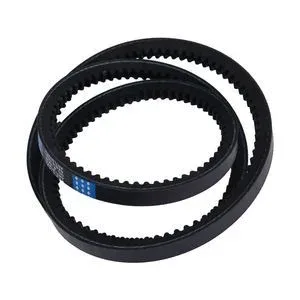
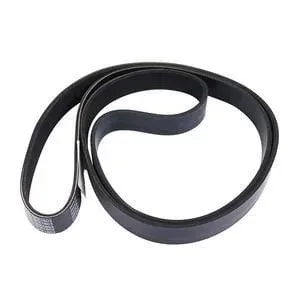
Matched Set Dispatch — Belt drive components ship alongside water pump, tensioner, and thermostat as a verified system package for Toyota 4Y engine rebuilds.
Technical Specifications
| Parameter |
Value |
| Part Number |
90916-02975-71 |
| Cross-Reference |
90916-02975-71, 909160297571, TY90916-02975-71, TY909160297571 (reference only) |
| Product Type |
Belt |
| Machine Fitment |
02-7FG30, 02-7FGJ35, 02-7FGK30, 40-7FG15, 40-7FG20, 40-7FG23, 40-7FG25, 40-7FGK20, 40-7FGK25, 42-7FG15, 42-7FG18, 42-7FG20, 42-7FG25, 42-7FGK20, 42-7FGK25, 7FG30, 7FGJ35, 7FGK30, 02-7FGF30, 02-7FGJF35, 42-7FGF15, 42-7FGF18, 42-7FGF20, 42-7FGF25, 02-7FGN30, 40-7FGN15, 40-7FGN20, 40-7FGN25, 42-7FGN15, 42-7FGN20, 42-7FGN25, 7FGN30, 02-8FGF15, 02-8FGF18, 02-8FGF20, 02-8FGF25, 02-8FGF30, 02-8FGJF35, 02-8FGKF20, 32-8FGF15, 32-8FGF18, 32-8FGF20, 32-8FGF25, 32-8FGF30, 32-8FGFJ35, 30-8FG10, 30-8FG15, 30-8FG20, 30-8FG25, 30-8FG30, 30-8FGJ35, 32-8FG10, 32-8FG15, 32-8FG18, 32-8FG20, 32-8FG25, 32-8FG30, 32-8FGJ35, 32-8FGK20, 32-8FGK25, 32-8FGK30, 30-8FGN15, 30-8FGN20, 30-8FGN25, 30-8FGN30, 32-8FGN15, 32-8FGN20, 32-8FGN25, 32-8FGN30, 7FGCSU20, 7FGCU15, 7FGCU18, 7FGCU20, 7FGCU25, 7FGCU30, 7FGCU32, 7FGU15, 7FGU18, 7FGU20, 7FGU25, 7FGU30, 7FGU32, 8FG18B, 8FG25B, 8FG30B, 8FGCSU20, 8FGCU15, 8FGCU18, 8FGCU20, 8FGCU25, 8FGCU30, 8FGCU32, 8FGU15, 8FGU18, 8FGU20, 8FGU25, 8FGU30, 8FGU32, FGZN20, FGZN25, FGZN30 |
| Condition |
New Aftermarket |
| Material |
High-tensile polyester cords with heat-resistant rubber compounds |
| Operating Temperature |
-30°C to 120°C |
| Warranty |
3-12 months against manufacturing defects |
| Factory Certification |
ISO 9001 |
Application Suitability
| Engine System |
Related Components |
| Belt drive and cooling — Toyota 4Y |
Water pump, tensioner assembly, idler pulley, thermostat, fan clutch |
| Scheduled cooling system service |
Coolant hoses, radiator cap, temperature sensor, gasket set |
| Engine overhaul — belt drive refresh |
Complete gasket kit, seal set, crankshaft front seal, pulley hardware |
| Fleet preventive stocking — 7FG/8FG series |
Matched belt and tensioner sets per engine serial range |
Why the Belt Drive Fails Again Two Weeks After a New Fan Belt
A snapped fan belt is rarely a belt problem — it is a system problem that demands root-cause diagnosis before the replacement belt goes on.
During a copper mine support contract in Peru, I watched a Toyota 4Y forklift receive a fresh fan belt after the previous one shredded in operation. The machine returned to service, and the new belt failed within a fortnight. The real culprit was a seized tensioner bearing that nobody had checked. The belt was simply the messenger delivering news of a deeper fault. Replacing a fan belt engine component without inspecting the water pump bearing, tensioner spring tension, and pulley alignment almost guarantees a repeat visit to the same failure. [NEED_CITE: belt drive system failure root cause analysis for industrial engines]
In forklift environments where engines run extended shifts under load, the cooling system endures sustained thermal stress. Oil mist from adjacent hydraulic lines, coolant weeping from aging hose connections, and dust accumulation all attack rubber compounds over time. A belt that shows cracking along its ribs has likely been degraded by heat and fluid contamination. A belt with glazed surfaces has been slipping due to insufficient tension or a worn pulley groove. Each failure mode points to a different corrective action beyond simply fitting a new replacement belt.
The Belt Drive System as a Coordinated Assembly
This fan belt operates within a network of rotating components on the Toyota 4Y engine, where the crankshaft pulley drives the water pump and alternator through a shared belt path. When any single component in that path develops play, misalignment, or excessive friction, the belt absorbs the consequence first. Inspecting the entire belt drive system — including pulley runout, tensioner arm travel, and idler bearing free-play — before installing a new fan belt engine unit ensures the replacement operates under designed conditions rather than compensating for hidden faults elsewhere in the circuit.
Matching Belt Profile to Engine Build History
Engines that have undergone previous rebuilds may carry non-standard pulley sizes or modified belt routing. The tooth profile and length of this replacement belt must correspond to the actual pulley configuration present on the engine, not merely the original factory specification. I have encountered rebuilt Toyota 4Y units where a previous overhaul substituted a different water pump pulley diameter, changing the required belt length. Verifying the current pulley arrangement against the engine build record prevents ordering a belt that technically fits the model number but does not match the physical installation. [NEED_CITE: engine rebuild component substitution verification practices]
What the Material Specification Means in Service
The high-tensile polyester cord construction provides dimensional stability under cyclic loading, resisting the stretch that causes belts to lose tension and begin slipping after initial break-in. The heat-resistant rubber compound, rated across -30°C to 120°C, addresses the thermal environment inside a forklift engine bay where coolant temperatures and ambient heat from the exhaust manifold converge. Standard rubber formulations harden and crack when repeatedly exposed to these conditions. This compound formulation maintains flexibility across the operating range, reducing the risk of edge cracking that signals the start of belt degradation. The material also resists the engine oil and coolant exposure typical in forklift engine compartments where minor fluid leaks are common over extended service periods.

The Cost of Ignoring the System Behind the Belt
Fitting a new belt on a Toyota 4Y with unresolved tensioner wear or a failing water pump bearing delivers a machine that runs for days or weeks before the same fault destroys the new component. The forklift goes back down, the operator reports overheating, and the repair team faces the same teardown again. Each repeat failure compounds lost production hours and erodes confidence in the maintenance program. Addressing the root cause — whether seized bearings, misaligned pulleys, or fluid contamination — at the same time as belt replacement eliminates the cycle of premature fan belt engine failures that plague reactive maintenance approaches. [NEED_CITE: repeated component failure cost impact in fleet maintenance operations]
Why Procurement Channels Matter for Belt Drive Components
Production lines within our facility and qualified sourcing partners operate under unified quality control and warranty terms, so belt drive components carry consistent inspection standards regardless of origin. Eight product categories under a single account means the belt, tensioner, water pump, and gasket set ship in one consignment rather than arriving from separate suppliers on mismatched timelines. Orders start from one piece, supporting emergency single-unit replacements without forced bulk purchases. Identification is possible from a part number, machine model, photograph, or nameplate image — useful when paint or wear has obscured the original markings. Cross-reference verification covers superseded and alternate numbers, catching catalog errors before they reach the workshop floor. Technical support is available to confirm compatibility and correct grade selection for specific engine variants.
Documentation & Verification
- Commercial invoice and packing list reflecting all belt drive components in one shipment
- Part compatibility sheet listing 90916-02975-71 cross-reference numbers marked as reference only
- Dimensional inspection record confirming belt profile, length, and cord tension specifications
- Warranty terms covering manufacturing defects for the stated coverage period
- Packing photographs documenting belt condition and packaging integrity before dispatch
- HS code and customs documentation support for international shipment clearance
Installation & Rebuild Sequence
- Inspect water pump bearing play and tensioner arm travel before routing the new belt onto pulleys
- Clean all pulley grooves of accumulated rubber residue and oil contamination to ensure full belt seating
- Apply specified tension per Toyota 4Y service manual and verify with a belt tension gauge after initial run-in
- Check pulley alignment with a straightedge across crankshaft, water pump, and alternator pulleys
- Run engine to operating temperature and recheck tension after the belt seats into pulley grooves
- Document belt installation date and engine hours for next scheduled inspection interval
Request a System-Level Compatibility Check
Provide the engine serial number, forklift model designation, and any rebuild history to confirm which belt profile and tensioner specification match your current installation. Include photographs of the existing belt routing and pulley arrangement if the engine has been modified during a previous overhaul. Our technical team will verify cross-reference compatibility and identify the complete set of adjacent components needed for a durable repair.
Frequently Asked Questions
Q: What other cooling or belt drive components should I replace at the same time as this fan belt?
A: The water pump, tensioner assembly, and idler pulley should be inspected for bearing play and spring condition. If the water pump shows any shaft wobble or the tensioner arm does not return smoothly, replacing them alongside the belt prevents a second teardown. Thermostat and coolant hoses often warrant concurrent replacement during a cooling system service on the Toyota 4Y.
Q: My Toyota 4Y engine was rebuilt before — how do I confirm the belt still matches the current pulley setup?
A: Previous rebuilds may have introduced substitute pulleys with different diameters or groove profiles. Measure the existing belt length and tooth profile, then compare against the engine build record. Providing the engine serial number and photographs of the pulley arrangement allows our team to verify the correct replacement belt specification for your specific installation.
Q: Does this belt fit all 7FGCU and 8FGCU variants, or are there serial-range differences within the same model?
A: The fitment list covers over 80 machine designations across 7FG, 8FG, and FGZN series. However, belt routing and pulley configurations can differ between production runs within the same model family. Confirming the exact engine serial number ensures the correct variant is supplied, particularly for units that fall at the boundary between production batches.
Q: What caused my previous belt to fail, and how do I address the root cause rather than just swapping the belt?
A: Cracking indicates heat or oil degradation of the rubber compound. Glazing points to slippage from insufficient tension or worn pulley grooves. Fraying signals pulley misalignment. Snapping usually means a seized component such as a tensioner bearing or water pump. Identifying the failure mode directs the corrective action beyond simply installing a new replacement belt.
Q: Can I get a matched set including tensioner, idler, and water pump for a complete belt drive system refresh?
A: Matched sets ship as a single consignment under one account and one warranty. Providing your engine serial number and forklift model allows us to assemble the correct combination of belt, tensioner, idler, and water pump verified for compatibility with your specific Toyota 4Y variant.