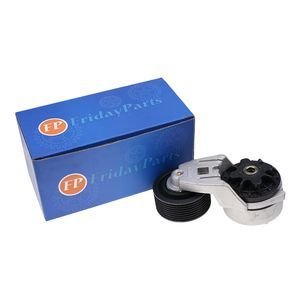
Engine Serial Variants Confirmed — Each Drive Belt Tensioner Pulley Assembly 6735884 is matched to the specific engine build variant before dispatch, preventing mismatch during Bobcat skid steer overhauls.
Technical Specifications
| Parameter |
Value |
| Part Number |
6735884 |
| Product Type |
Belt Tensioner |
| Cross-Reference |
6711698 (reference only) |
| Machine Fitment |
653, 751, 753, 763, 773, 7753 Skid Steer Loader |
| Part Name |
Drive Belt Tensioner Pulley Assembly |
| Material |
High-strength steel housing |
| Bearing Type |
Sealed bearing |
| Condition |
New Aftermarket |
| Warranty |
3-12 months against manufacturing defects |
| Certification |
ISO 9001 |
Application Suitability
| Engine System |
Related Components |
| Alternator drive circuit |
Drive belt, alternator pulley, mounting bracket |
| Hydraulic pump drive |
Pump drive belt, idler pulley, pump mounting bolts |
| Accessory belt drive system |
Belt guides, tensioner arm hardware, belt wear indicator |
| Engine cooling fan drive |
Fan belt, fan hub bearing, shroud fasteners |
Why Belt Drive Failures Repeat After a Tensioner Swap
The belt drive system must be serviced as a matched set, not as isolated components.
When a Drive Belt Tensioner Pulley fails prematurely on a Bobcat skid steer, the root cause often sits elsewhere in the accessory drive circuit. I have seen crews in copper mine maintenance bays replace the tensioner, only to watch the new belt shred within a week because a seized idler or a misaligned alternator bracket was never addressed [NEED_CITE: belt drive system root cause analysis for mobile equipment]. The sealed bearing inside this tensioner is designed to handle sustained vibration and thermal cycling, but it cannot compensate for uneven belt loading caused by a worn adjacent pulley. System-level fault tracing is the difference between a lasting repair and a repeat failure that keeps the machine down longer than necessary.

How This Tensioner Fits the Bobcat Skid Steer Accessory Drive
The Drive Belt Tensioner Pulley Assembly sits at a critical junction in the engine compartment, maintaining correct tension across the belt that powers the alternator and hydraulic pump on compatible Bobcat skid steer loaders. During an engine rebuild, this component should be evaluated alongside the full belt drive system rather than treated as an afterthought. Proper belt tension is a prerequisite for reliable alternator output and consistent hydraulic pump drive, both of which affect machine performance on construction and landscaping sites.
Engine Serial Variants and What They Mean for Your Rebuild
Not every engine build within the 653, 751, or 753 platform uses the same tensioner variant. Part numbers 6735884 and 6711698 (cross-reference only) appear in service documentation across multiple model years, but the engine serial number determines which variant actually fits the accessory drive layout [NEED_CITE: engine serial variant identification for skid steer belt drive systems]. Before confirming an order, cross-referencing the engine serial against build documentation prevents the frustration of receiving a tensioner with a different mounting pattern or pulley offset. This verification step is especially important when an engine has been swapped or partially rebuilt in a prior ownership cycle.
Sealed Bearing and Groove Profile: What the Specs Mean in Practice
The high-strength steel housing provides dimensional stability under the thermal cycling typical of enclosed engine compartments in skid steer loaders. The sealed bearing design prevents contaminant ingress—dust, moisture, and hydraulic mist—during sustained operation, which directly affects bearing longevity in construction and agricultural environments. The machined pulley groove profile maintains belt alignment under load, reducing uneven wear across the belt system. When the groove wears unevenly, the belt tracks off-center, accelerating wear on both the belt and adjacent pulleys. These design choices matter most during the first hundred hours after a Drive Belt Tensioner Pulley engine rebuild replacement, when component surfaces are bedding in.
The Hidden Cost of Skipping System-Level Inspection
Replacing the tensioner without inspecting the belt condition and adjacent idler pulleys often leads to a second teardown within weeks. A degraded belt with glazed surfaces or frayed cords will transfer irregular loading to the new tensioner bearing, causing early failure. Similarly, an alternator or hydraulic pump with excessive shaft play will impose lateral forces the sealed bearing was not designed to absorb [NEED_CITE: accessory drive lateral loading effects on tensioner bearing life]. The cost of a second downtime event on a skid steer—lost production hours, remobilizing a technician, and repeat freight—far outweighs the time spent verifying the full belt drive circuit during the initial repair.
Why Rebuild Shops Source This Component Through XUNPO
Own production lines and qualified sourced supply operate under one account and one warranty, so whether the tensioner comes from our facility or a certified partner, the QC standard remains consistent. Eight product categories mean a complete belt drive system kit—tensioner, belt, idler, hardware—ships in a single consignment rather than arriving from separate suppliers on different timelines. Minimum order starts at one piece, supporting emergency single-unit repairs as well as distributor stock orders. Part identification is confirmed from part number, machine model, photograph, or nameplate image, eliminating guesswork on engine serial variants. Cross-reference verification covers superseded numbers like 6711698 alongside current references, and sample supply is available for fitment confirmation before bulk commitment.
Documentation & Verification
- Commercial invoice and packing list with part number 6735884 and engine system details
- Compatibility and cross-reference sheet noting 6711698 as interchange reference
- Dimensional inspection record covering pulley diameter and bearing bore tolerance
- Warranty terms specific to belt drive components with coverage period stated
- Packing photographs showing tensioner protected against groove surface damage
- HS code and customs documentation support for international engine parts shipments
Installation & Rebuild Sequence
- Verify engine serial number against build documentation before opening the tensioner packaging
- Clean the mounting bracket surface to remove residual gasket material and oil film
- Confirm pulley groove alignment with the alternator and hydraulic pump pulleys using a straightedge
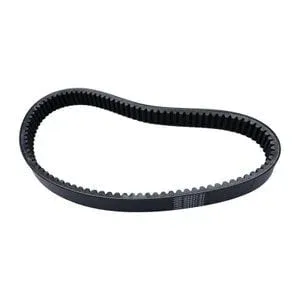
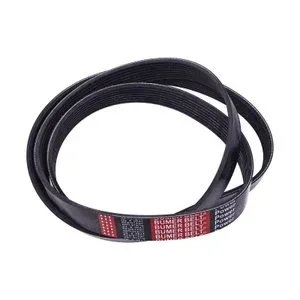
- Install new drive belt as a matched set with the tensioner to ensure uniform bedding
- Torque tensioner mounting fasteners to engine service manual specification
- Run the engine at idle for initial belt seating, then recheck tension after cool-down
Request a System-Matched Quote
Provide your engine model, serial number, and any prior rebuild history so we can confirm which tensioner variant matches your specific accessory drive configuration. If a belt drive overhaul is underway, share the full component list for a consolidated quote covering tensioner, belt, idlers, and fasteners in one shipment.
Frequently Asked Questions
Q: Should the drive belt be replaced at the same time as the tensioner pulley?
A: Yes. A worn belt with glazed or frayed surfaces transfers irregular loading to the new sealed bearing, causing premature failure. Replacing both as a matched set during a Drive Belt Tensioner Pulley engine rebuild replacement ensures uniform bedding and predictable service life across the belt drive system.
Q: What other belt drive components should be inspected during tensioner replacement?
A: Check the idler pulleys for free rotation and lateral play, the alternator and hydraulic pump pulleys for groove wear, and the mounting bracket for alignment. Any component showing wear should be replaced in the same service event to avoid repeat teardowns on the skid steer.
Q: How do I confirm which tensioner variant matches my engine serial number?
A: Provide the engine serial number and machine model. Cross-reference part numbers 6735884 and 6711698 are verified against engine build documentation to confirm the correct mounting pattern, pulley offset, and belt routing for your specific Bobcat skid steer variant.
Q: What system-level symptoms indicate tensioner failure versus belt or pulley failure?
A: Belt squeal under load, visible belt mistracking, or flickering alternator output can originate from tensioner bearing degradation rather than the belt itself. A seized or dragging tensioner produces heat at the pulley face, distinguishable from belt glazing during inspection [NEED_CITE: diagnostic separation of belt drive component failures].
Q: Can I source a complete belt drive system kit instead of individual components?
A: Yes. A consolidated kit including the tensioner assembly, drive belt, idler pulleys, and mounting hardware ships as one consignment, supporting engine rebuild shops and distributors who need the full system for a single repair job on Bobcat skid steer loaders.