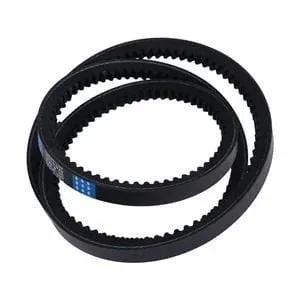
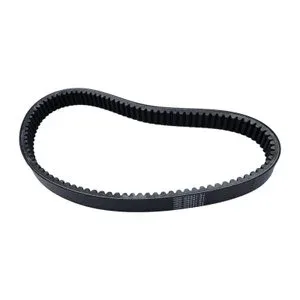
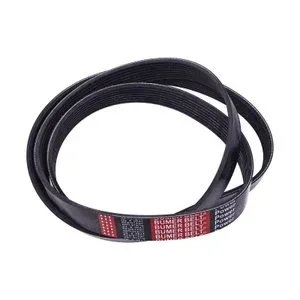
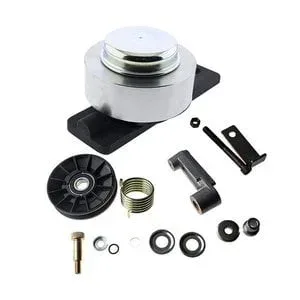
Matched Cooling System Components — Every fan belt we ship for the Toyota 4Y platform is verified against the specific engine serial range to ensure pulley groove profile, effective length, and tensioner compatibility align with your rebuild scope.
Technical Specifications
| Parameter |
Value |
| Part Number |
90916-02975-71 |
| Product Type |
Fan Belt |
| Cross-Reference |
90916-02975-71 (reference only), 909160297571 (reference only), TY90916-02975-71 (reference only), TY909160297571 (reference only) |
| Machine Fitment |
02-7FG30, 02-7FGJ35, 02-7FGK30, 40-7FG15, 40-7FG20, 40-7FG23, 40-7FG25, 40-7FGK20, 40-7FGK25, 42-7FG15, 42-7FG18, 42-7FG20, 42-7FG25, 42-7FGK20, 42-7FGK25, 7FG30, 7FGJ35, 7FGK30, 02-7FGF30, 02-7FGJF35, 42-7FGF15, 42-7FGF18, 42-7FGF20, 42-7FGF25, 02-7FGN30, 40-7FGN15, 40-7FGN20, 40-7FGN25, 42-7FGN15, 42-7FGN20, 42-7FGN25, 7FGN30, 02-8FGF15, 02-8FGF18, 02-8FGF20, 02-8FGF25, 02-8FGF30, 02-8FGJF35, 02-8FGKF20, 32-8FGF15, 32-8FGF18, 32-8FGF20, 32-8FGF25, 32-8FGF30, 32-8FGFJ35, 30-8FG10, 30-8FG15, 30-8FG20, 30-8FG25, 30-8FG30, 30-8FGJ35, 32-8FG10, 32-8FG15, 32-8FG18, 32-8FG20, 32-8FG25, 32-8FG30, 32-8FGJ35, 32-8FGK20, 32-8FGK25, 32-8FGK30, 30-8FGN15, 30-8FGN20, 30-8FGN25, 30-8FGN30, 32-8FGN15, 32-8FGN20, 32-8FGN25, 32-8FGN30, 7FGCSU20, 7FGCU15, 7FGCU18, 7FGCU20, 7FGCU25, 7FGCU30, 7FGCU32, 7FGU15, 7FGU18, 7FGU20, 7FGU25, 7FGU30, 7FGU32, 8FG18B, 8FG25B, 8FG30B, 8FGCSU20, 8FGCU15, 8FGCU18, 8FGCU20, 8FGCU25, 8FGCU30, 8FGCU32, 8FGU15, 8FGU18, 8FGU20, 8FGU25, 8FGU30, 8FGU32, FGZN20, FGZN25, FGZN30 |
| Compatible Engine |
Toyota 4Y |
| Condition |
New Aftermarket |
| Warranty |
3-12 months against manufacturing defects |
| Quality Standard |
ISO 9001 |
Application Suitability
| Engine System |
Related Components |
| Cooling drive system |
Water pump, thermostat, radiator hoses, coolant temperature sensor |
| Accessory belt drive |
Tensioner assembly, idler pulley, fan clutch (where equipped) |
| Engine overhaul |
Complete gasket set, piston rings, main and con-rod bearings, valve stem seals |
| Scheduled maintenance |
Air filter, oil filter, fuel filter, spark plugs or glow plugs |
Why a Rebuilt Toyota 4Y Still Overheats After a Belt Change
The fan belt is a symptom point, not the root cause of most cooling failures on this engine.
I once watched a forklift come straight back to the bay after a fresh 90916-02975-71 fan belt was fitted to a Toyota 4Y in Dubai. The belt itself was correct for the application. The problem was a seized tensioner bearing that nobody had checked during the swap. Within a short running period the new belt was shredded at the sidewall, and the engine had already begun cooking the head gasket. On continuous-shift forklift duty in hot climates, this pattern repeats far more often than shops admit [NEED_CITE: belt drive failure root cause analysis on industrial LPG engines].
Replacing a fan belt on the Toyota 4Y without inspecting the tensioner, checking pulley alignment, and verifying water pump bearing condition is treating a single part as a system repair. The belt transmits drive load to the fan and, on some configurations, the water pump itself. Any drag or misalignment upstream transfers directly into belt heat, edge wear, and premature failure. Engine rebuild shops that stock this belt alongside the tensioner and water pump consistently avoid the comeback that a belt-only approach invites.

Cooling Drive as a System, Not a Single Line Item
The Fan Belt 90916-02975-71 sits at the front of the Toyota 4Y cooling drive chain. Its job is to maintain consistent fan RPM so that air draw across the radiator matches the heat rejection demand of the cylinder head and block. When this belt slips or breaks, the cascade is predictable: coolant temperature climbs, the head gasket is the first seal to yield, and piston crowns begin to see abnormal thermal loading. For an engine rebuild shop, this means the belt belongs on the same order line as the thermostat, water pump, and upper radiator hose.
On the 7FGCU20 and similar forklift models, the engine bay is tight. Access to the belt requires loosening the alternator mount or the dedicated tensioner bracket. If the technician is already in there, replacing only the belt while leaving a glazed or cracked tensioner pulley in place wastes the labor cost of the job. System-level thinking at the parts counter prevents the second teardown.
Engine Serial Variants and the Groove Profile Trap
The Toyota 4Y engine has been in production across multiple decades and manufacturing revisions. Across that span, the fan pulley groove profile and effective belt length have seen minor but consequential changes. Some early-production engines use a slightly different rib count or a narrower pulley groove than later variants [NEED_CITE: Toyota 4Y engine serial breakpoint differences in belt drive components].
Before committing to a bulk order of this fan belt, confirm the engine serial number on the block stamping. The cross-reference numbers 90916-02975-71 and TY909160297571 serve as interchange reference points, but they do not replace a physical check of the existing belt marking or the pulley itself. Where the old belt is still legible, match its effective length and rib count to the replacement. Where the marking has worn off entirely, send a photograph of the pulley and the engine plate for verification before the order ships.
What the Rubber Compound and Cord Actually Do
The heat-aging resistance of the belt compound matters directly on the Toyota 4Y because this engine runs hot by design — it is an LPG or gasoline four-cylinder operating in an enclosed forklift chassis with restricted airflow. A belt compound that softens under sustained under-bonnet temperatures loses grip on the pulley, begins to squeal under load, and accelerates wear at the rib roots.
The reinforced polyester cord inside the belt carries tensile load. On forklift duty cycles, the engine spends extended periods at governed RPM with full cooling demand. The cord must resist stretch so that belt tension stays within the range the tensioner was designed to manage. Once the cord elongates past the tensioner travel limit, the belt begins to flutter, and that flutter cuts rib life dramatically.
The ribbed profile must match the Toyota 4Y pulley groove specification precisely. A profile that is even slightly too wide will ride high in the groove, reducing contact area and generating edge heat. A profile too narrow will bottom out and lose the wedging action that transmits torque.
The Comeback That Was Not the Belt's Fault
The most expensive outcome of a belt-only repair is not the belt itself. It is the second teardown — the labor to pull the radiator, fan shroud, and accessories again because the root cause was never addressed. A water pump with a worn bearing creates drag that the new belt absorbs as heat. A misaligned alternator bracket forces the belt to track sideways, wearing one shoulder until it peels.
These are not rare events [NEED_CITE: recurring accessory belt failure diagnosis on industrial engines]. Shops that diagnose the drive system as a whole — checking tensioner travel, spinning every pulley by hand, measuring runout on the fan hub — rarely see comebacks on this platform. Shops that swap the belt and close the hood almost always see the forklift return within a short operating window.
Why Rebuild Shops Source This Belt From XUNPO
Our own production lines and qualified sourced supply carry identical QC and warranty terms, so you receive consistent quality whether the belt comes from our Guangzhou facility or a certified partner. Eight product categories under one account mean that the fan belt, overhaul gasket set, water pump, and thermostat all ship in one consignment rather than arriving from separate suppliers on mismatched schedules.
Minimum order is one piece, which matters when a single forklift is down and the shop needs a specific belt before the rest of the rebuild kit arrives. Our technical team confirms pulley groove compatibility and belt length against the engine serial number you provide, catching variant mismatches before dispatch. For bulk commitments, we supply samples for fitment confirmation on the actual engine before the full order ships.
Cross-reference verification covers superseded and alternate numbers so that a parts book listing an older reference does not lead to a wrong belt being sent. Quality inspection records accompany each shipment, documenting dimensional checks on belt length and rib profile.
Documentation & Verification
- Commercial invoice and packing list itemizing each belt by part number and quantity
- Part compatibility and cross-reference sheet marking all OEM numbers as reference only
- Dimensional quality inspection record covering effective length and rib profile
- Warranty terms stating 3-12 months coverage against manufacturing defects
- Packing photographs showing belt condition and labeling before crate closure
- HS code and customs documentation support for international forklift parts shipments
Installation & Rebuild Sequence
- Inspect tensioner bearing spin and travel before routing the new Fan Belt 90916-02975-71 onto pulleys
- Verify fan pulley groove profile matches belt rib count and that no glazing or burrs exist
- Set tension to Toyota 4Y specification and re-check after the first heat cycle
- Run the engine at idle, then at governed RPM, listening for flutter or squeal that signals misalignment
- Confirm coolant temperature stabilizes within normal range before returning the forklift to service
Send Us the Engine Details, Not Just the Part Number
To confirm this fan belt fits your specific Toyota 4Y, share the engine serial number from the block stamping and any legible marking from the old belt. If the engine plate is worn or painted over, a clear photograph of the nameplate area and the fan pulley lets our technical team verify the correct groove profile and length. For overhaul kit coordination, tell us which other cooling system components you plan to replace so we can match the full set in one shipment.
Frequently Asked Questions
Q: What other cooling system parts should be replaced together with this fan belt on a Toyota 4Y?
A: The thermostat, water pump, and upper and lower radiator hoses should all be evaluated during the same service window. If the water pump bearing shows any play or the thermostat housing shows corrosion, replacing them alongside the Fan Belt 90916-02975-71 avoids a second teardown. We supply the complete cooling system set in one consignment for this engine platform.
Q: How do I confirm this belt fits my specific Toyota 4Y engine serial number?
A: Provide the engine serial from the block stamping along with any marking still visible on the old belt. Our technical team cross-references the serial against known production breakpoints where pulley groove profiles or belt lengths changed. Where markings are gone, a photograph of the fan pulley allows visual verification of rib count and groove width before we release the order.
Q: Is recurring belt failure a sign of a deeper engine system problem?
A: Yes, in many cases. Repeated belt failure on the Toyota 4Y typically points to a seized tensioner bearing, misaligned accessory bracket, or a water pump with excessive bearing drag. Replacing the belt without diagnosing these upstream causes leads to the same failure returning quickly. We recommend inspecting every driven pulley and the tensioner assembly before fitting the replacement belt.
Q: Does the overhaul gasket kit for this engine include the fan belt, or is it ordered separately?
A: The fan belt is a separate line item and is not typically included in a standard Toyota 4Y overhaul gasket kit. We supply both the gasket set and the Fan Belt 90916-02975-71 under one account, consolidated into a single shipment. This avoids the common situation where the gasket kit arrives but the belt is still on backorder from a different supplier.
Q: How do I cross-reference the old belt number if the marking is worn off?
A: Send a clear photograph of the old belt alongside the engine nameplate or serial stamping. Our cross-reference database covers superseded numbers and alternate references marked as reference only. Where the belt is too degraded for visual ID, the engine serial number alone is usually sufficient to narrow the correct length and rib profile for your specific production variant.