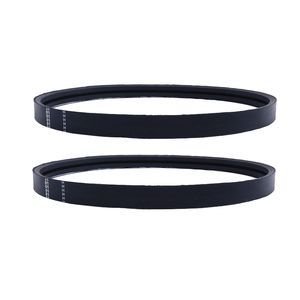
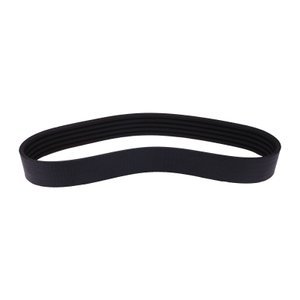
System-Level Rebuild Match — Every tensioner variant confirmed against your Cummins engine serial before dispatch, avoiding mismatched spring rates across 4B, 6B, and ISL families.
Technical Specifications
| Parameter |
Value |
| Part Number |
3936213 5259022 3976831 |
| Product Type |
Belt Tensioner |
| Cross-Reference |
3936213, 5259022, 3976831 (reference only) |
| Machine Fitment |
Cummins 6C, ISB, QSB, 4B3.9, B4.5, 6B5.9, B6.7, 4B, 6B, ISC, QSC, ISL, QSL |
| Condition |
New Aftermarket |
| Warranty |
3-12 months against manufacturing defects |
| Quality Standard |
ISO 9001 |
Application Suitability
| Engine System |
Related Components |
| Front-End Belt Drive |
Drive belts, idler pulleys, fan pulley, crankshaft pulley |
| Cooling System Interface |
Water pump pulley, coolant seals adjacent to front cover |
| Charging System Drive |
Alternator mounting bracket, alternator belt routing |
| Accessory Drive |
A/C compressor clutch pulley where equipped |
When a Belt Tensioner Fails, the Real Fault Often Sits Elsewhere
Addressing only the failed tensioner without inspecting the entire belt drive path invites repeat teardowns.
I spent years in a Guangzhou workshop pulling engines apart after supposedly complete repairs came back with th*ns 6B5.9 once arrived with a fresh tensioner already collapsed — the root cause was a misaligned fan pulley from a prior service that loaded the tensioner bearing off-axis. Replacing the Belt Tensioner for Cummins Engine without checking pulley alignment, belt groove wear, and adjacent seal condition means the new assembly inherits whatever systemic fault destroyed the previous one [NEED_CITE: root cause analysis methodology for belt drive system failures in heavy duty diesel engines]. Engine rebuild shops that scope the entire front-end drive as a single system consistently see fewer comebacks than those swapping individual failed components.

The Belt Drive System Context That Dictates Tensioner Life
This Belt Tensioner Assembly operates within a network of rotating components — crankshaft pulley, idler pulleys, water pump pulley, fan hub, and alternator. Each Cummins Belt Tensioner Assembly engine rebuild must account for the cumulative wear across this entire chain. A worn idler pulley bearing introduces harmonic vibration that the tensioner spring cannot absorb, leading to premature fatigue of the tensioner arm pivot. When sourcing for an overhaul, the tensioner should arrive alongside matched belts and inspected pulleys so the system resets as a whole rather than mixing new and worn interfaces.
Engine Serial Variants and Why the Same Number Does Not Always Fit
The three cross-reference numbers — 3936213, 5259022, and 3976831 — represent different production variants across the Cummins 4B through QSL engine families. Spring tension rating, arm geometry, and pulley diameter shift between a 4B3.9 and a 6B5.9 even when the mounting bolt pattern appears identical. An ISB destined for a wheel loader may carry a different tensioner specification than the same displacement ISB in a generator set due to accessory load differences. Confirming engine serial number against the specific tensioner variant eliminates the risk of under-tensioning on a high-load application or over-tensioning that accelerates water pump bearing wear [NEED_CITE: Cummins belt drive specification variance across engine serial ranges].
Reading the Specifications That Actually Matter
Bearing grade and spring mechanism specification define whether this tensioner survives the thermal cycling of a construction site engine bay. The internal bearing must tolerate continuous exposure to elevated under-hood temperatures without grease degradation, while the spring must maintain consistent force output across cold-start and operating-temperature conditions. Belt groove profile on the tensioner pulley must match the belt cross-section — a mismatch here causes edge wear that sheds debris into adjacent seal faces. The ISO 9001 manufacturing standard provides baseline process control, but the fitment verification against your specific engine serial is what prevents a tensioner from arriving functionally correct yet dimensionally wrong for the accessory bracket it must mount to.
The Cost of Skipping System-Level Inspection
Engines that return to the teardown bench with a failed replacement tensioner almost always reveal an unaddressed upstream fault. Belt dressing residue baked onto pulley grooves creates uneven friction that oscillates the tensioner arm beyond its designed travel range. A previous rebuild that left the front cover seal slightly proud introduces axial misalignment the tensioner was never engineered to compensate for. These pattern failures accumulate into warranty disputes and customer confidence erosion that no individual component swap resolves [NEED_CITE: belt drive repeat failure patterns in rebuilt diesel engines].
What This Supply Channel Brings to Your Rebuild Bench
Own production lines and qualified sourcing partners operate under one warranty account, so a tensioner ordered alongside a full gasket set and bearing kit carries identical quality terms across the entire consignment. Eight product categories mean the belt drive components, front seal set, and water pump all ship as one consignment from the Guangzhou warehouse rather than arriving on staggered timelines from separate vendors. Part identification works from an engine serial number, a worn nameplate photograph, or the existing tensioner casting number. Cross-reference verification covers superseded numbers so a discontinued reference resolves to the current production variant without guesswork. Sample units ship for fitment confirmation before bulk commitment locks in.
Documentation & Verification
- Commercial invoice listing each tensioner variant by confirmed engine serial
- Cross-reference sheet mapping 3936213, 5259022, 3976831 to specific Cummins families (reference only)
- Dimensional inspection covering pulley diameter, arm travel, and mounting bolt spacing
- Bearing clearance and spring tension test record included with shipment
- Warranty certificate covering manufacturing defects for 3 to 12 months
- Packing photographs showing tensioner protection and kit consolidation before dispatch
Installation & Rebuild Sequence
- Inspect all pulley faces and idler bearings before mounting the new tensioner assembly
- Verify front cover seal seating depth to eliminate axial misalignment at the belt plane
- Torque tensioner mounting bolts to engine-specific specification, not generic values
- Route belt per Cummins diagram for your serial, confirming no twist at any pulley groove
- Run engine to operating temperature and recheck belt tracking and tensioner arm position
Requesting the Correct Variant for Your Engine
Provide the Cummins engine model, full serial number, and any prior rebuild history so the correct tensioner variant is selected from the three cross-reference numbers. If the existing tensioner is still on the engine, a photograph of the casting and pulley face accelerates identification. For fleet overhauls covering multiple engine families, share the unit list with serials to receive a consolidated belt drive kit quotation.
Frequently Asked Questions
Q: What other belt drive components should be replaced together with this tensioner during an overhaul?
A: Idler pulleys, drive belts, and the fan pulley bearing should be inspected and typically replaced alongside the tensioner. A worn idler introduces harmonic loads the new tensioner cannot absorb, and old belts with glazed grooves will slip on new pulleys. Sourcing the full front-end drive set as matched components prevents individual arrival delays and ensures system-level compatibility.
Q: How do I determine which of the three reference numbers applies to my specific Cummins engine?
A: The correct variant depends on engine serial number, not just model designation. A 6B5.9 in one serial range uses a different spring rate and arm geometry than the same displacement in another range. Provide the full engine serial and any rebuild history so cross-reference verification confirms which number — 3936213, 5259022, or 3976831 — maps to your specific build.
Q: Can I source a complete belt drive kit including belts, pulleys, and tensioner as a matched set?
A: Yes. Consolidating belts, tensioner, idler pulleys, and front seals into one kit ensures all components arrive together and carry the same warranty terms. This eliminates staggered deliveries and prevents the situation where the tensioner sits on the bench waiting for a belt from a different supplier.
Q: What system-level faults should I check to prevent repeat tensioner failure after replacement?
A: Inspect pulley alignment, belt groove condition, front cover seal seating, and accessory bracket mounting integrity. Belt dressing residue, a slightly misaligned fan pulley, or a worn water pump bearing all transmit abnormal loads to the tensioner. Addressing these upstream conditions during installation prevents the new assembly from inheriting the fault that destroyed its predecessor.
Q: Do different Cummins engine variants require different tensioner specifications?
A: Yes. An ISB, QSB, and B6.7 may share displacement but differ in accessory load, mounting bracket geometry, and spring rate requirement. Engine application — whether in an excavator, wheel loader, or generator set — further influences specification. Always confirm against engine serial rather than assuming variant interchangeability across the same engine family.