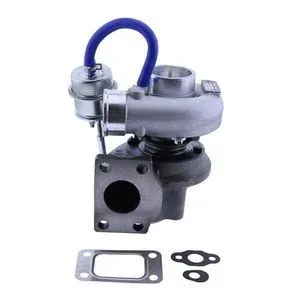
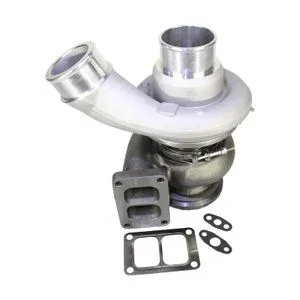
System-Matched Supply — overhaul gasket set, oil feed lines, and air filters verified against Perkins 1004-40T serial variants before dispatch.
Technical Specifications
| Parameter |
Value |
| Part Number |
02/202400 |
| Product Type |
Turbocharger |
| Cross-Reference |
02/202400, 02-202400, 02202400, 02/201870, 02/202415, 02-202415, 02-201870, 727266-5003S, 452301-0003, 452301-5003S, 02201870, 02202415, 7272665003S, 4523010003, 4523015003S, 02/201940, 02201940, 02-201940 (reference only) |
| Machine Fitment |
JCB 3CX, 4CX, 4CX444 SUPER, 214-4, 540, 525-50, 537H, 533-105, 535-95 FS PLUS, 530 SWAY, 535-95, 532H, 537, 411B, 411, 416, TM200, 411ZX, 410ZX, ROBOT 1110, ROBOT 1110THF, ROBOT 1110T, ROBOT 1110HF, ROBOT 190T, ROBOT 190 |
| Turbo Model |
GT2052, GT2052S |
| Engine Fitment |
Perkins 1004-40T, Perkins T4.40 |
| Turbine Wheel Material |
Inconel 718 |
| Compressor Housing Material |
6061-T6 Aluminum |
| Compressor Housing Tolerance |
±0.02 mm |
| Bearing Type |
Dual ceramic ball bearings |
| Bearing Grease Rating |
180°C |
| Boost Pressure Test |
2.4 bar |
| Rotational Balance Test |
150,000 rpm |
| Max Exhaust Gas Temperature |
720°C |
| Sealing Standard |
SAE J1922 |
| Condition |
New Aftermarket |
| Warranty |
12-month warranty against manufacturing defects |
| MOQ |
1 piece |
| Standards |
ISO 9001, SAE J1922 |
Application Suitability
| Engine System |
Related Components |
| Intake and forced induction |
Turbo inlet/outlet gaskets, air filter element, intercooler seals |
| Lubrication supply to bearing housing |
Oil feed line, oil drain tube, crankcase ventilation seals |
| Exhaust and emission routing |
Exhaust manifold gaskets, EGR valve gasket, exhaust clamp set |
| Top-end overhaul |
Head gasket set, valve stem seals, injector sleeve O-rings |
Why Turbo Failures on the Perkins 1004-40T Are Rarely Just a Turbo Problem
A GT2052 turbocharger engine rebuild succeeds only when the fault that destroyed the old unit is corrected before the new one spins up.
In my years working across the Yangtze Delta repair network, I have seen GT2052 units replaced on Perkins 1004-40T engines only to fail again within weeks. The pattern is nearly always the same: carbon-coked bearing housing from a restricted oil drain line, or compressor wheel erosion from an intake leak that went unaddressed. One JCB 3CX backhoe came back to the shop twice before the technician traced the root cause to a collapsed oil return hose that was never on the original work order [NEED_CITE: Perkins 1004 series turbo oil drain restriction failure modes]. When the rebuild list stops at the turbo itself, the machine is likely headed back to the bench.

The Intake-to-Exhaust System This Turbocharger Lives Inside
The GT2052 sits at the intersection of three fluid systems on the Perkins 1004-40T: pressurized oil feeding the bearing housing, metered intake air entering the compressor side, and hot exhaust gas driving the turbine. Every GT2052 turbocharger engine rebuild must treat these three circuits as a single repair scope. A degraded oil feed fitting or a cracked intercooler hose introduces the same failure vectors that destroyed the previous unit, and none of those faults show up on a bench inspection of the turbo alone.
Engine Serial Variants That Change the Parts List
Perkins 1004-40T and T4.40 engines were produced across multiple serial ranges, and oil feed fittings, compressor housing clocking, and drain flange geometry can differ between production runs. Ordering a GT2052 turbocharger engine rebuild kit without confirming engine serial number risks receiving a unit whose oil inlet angle does not match the existing feed line. This is why cross-reference verification must extend beyond the part number to the specific build variant [NEED_CITE: Perkins engine serial range identification for turbo variant selection].
Reading the Spec Sheet Against Real Operating Conditions
The Inconel 718 turbine wheel withstands exhaust temperatures up to 720°C, which matters because sustained high-load cycles on JCB 4CX machines in quarrying applications push exhaust gas temperatures toward that ceiling. The dual ceramic ball bearings, rated for grease stability at 180°C, reduce shaft friction compared to journal bearing designs and respond more predictably to brief oil starvation events during cold starts. The 6061-T6 aluminum compressor housing, held to ±0.02 mm tolerance, maintains impeller tip clearance within the range needed for consistent boost pressure at the 2.4 bar test point. Rotational balance verified at 150,000 rpm ensures the shaft assembly does not introduce harmonic vibration into the bearing system under full spool.
The Hidden Cost of Skipping Root-Cause Diagnosis
Replacing the turbocharger without tracing oil coking or intake contamination back to its source guarantees a repeat failure. The new unit inherits the same degraded oil supply or the same unfiltered intake air, and the bearing housing accumulates carbon deposits on a predictable timeline. Shops that skip the oil drain line inspection and the intercooler seal check end up performing the same GT2052 turbocharger engine rebuild a second time, absorbing the labor and machine downtime twice [NEED_CITE: turbocharger repeat failure root cause analysis in diesel engines].
Why Sourcing This Turbocharger Here Makes the Rebuild Predictable
Our own production lines and qualified sourced supply carry the same quality inspection protocol and the same 12-month warranty, so the GT2052 turbocharger engine rebuild arrives under one account with consistent documentation. Eight product categories mean the turbo, the gasket set, the oil feed lines, and the air filters ship as one consignment rather than three separate orders with mismatched arrival dates. Minimum order is one piece, so a single emergency rebuild is not blocked by quantity thresholds. Our technical team confirms GT2052 versus GT2052S variant selection against engine serial number before the order ships. Cross-reference verification covers superseded numbers including 02/201870, 727266-5003S, and 452301-5003S (reference only), catching interchange errors that copied tables often carry forward. Sample supply is available for fitment confirmation before bulk commitment on fleet-level rebuild programs.
Documentation & Verification
- Commercial invoice listing turbocharger part number, engine fitment, and gasket kit contents
- Cross-reference sheet mapping 02/202400 to alternate numbers (reference only)
- Dynamic balance and boost pressure test records included with each unit
- Warranty terms covering manufacturing defects with installation documentation requirements
- Packing photographs showing turbo, gaskets, and seals in labeled compartments
- HS code and customs documentation for international engine rebuild shipments
Installation & Rebuild Sequence
- Verify oil feed and drain line internal diameter matches GT2052 bearing housing port specifications before assembly
- Clean all mating surfaces on intake and exhaust flanges to prevent gasket leakage under boost pressure
- Torque turbo mounting nuts and oil feed fittings to Perkins 1004-40T service manual values
- Pre-lube the bearing housing with clean engine oil before first cranking to prevent dry-start bearing damage
- Run the engine at idle for initial warm-up, checking for oil weepage at drain flange and boost response at throttle
Requesting a System-Matched Quote
Send us the engine serial number, the existing turbo data plate if legible, and any overhaul history on the Perkins 1004-40T or T4.40 block. We will confirm whether your build requires GT2052 or GT2052S, match the correct gasket set to your engine variant, and quote the complete rebuild scope as one consignment.
Frequently Asked Questions
Q: What else should I replace when changing the turbo on a Perkins 1004-40T?
A: Plan to replace the turbo inlet and outlet gaskets, oil feed and drain line seals, air filter element, and intercooler O-rings. These components share the same service interval and are exposed to the same heat and contamination cycles. Reusing old seals introduces leak paths that compromise the new turbocharger from the first operating hour.
Q: Does the overhaul gasket kit cover all seals needed for a turbo replacement?
A: Standard kits include head gasket, exhaust manifold gasket, and turbo flange gaskets. However, Perkins 1004-40T serial variants may require specific oil feed fitting O-rings or crankcase ventilation seals not included in a generic set. We verify kit contents against your engine serial number before dispatch.
Q: How do I confirm whether my engine needs GT2052 or GT2052S?
A: The difference lies in compressor housing orientation and oil port configuration, which vary across Perkins production runs. Provide the engine serial number and any remaining data plate information from the old unit. Our technical team cross-references your build variant to confirm the correct turbo model.
Q: What caused the original turbo to fail, and how do I prevent it happening again?
A: Common root causes include restricted oil drain lines causing bearing housing carbon buildup, intake leaks introducing unfiltered air to the compressor wheel, and degraded oil losing its lubricating film under thermal stress. Inspecting and correcting these circuits before installing the replacement prevents repeat failure.