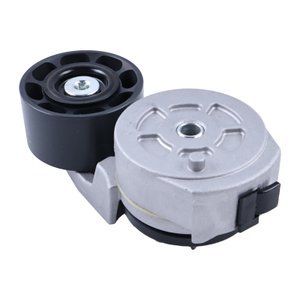
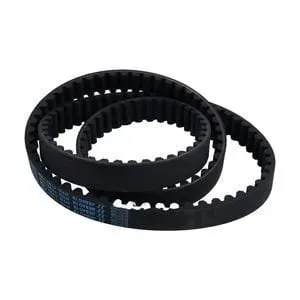
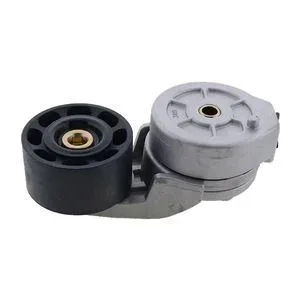
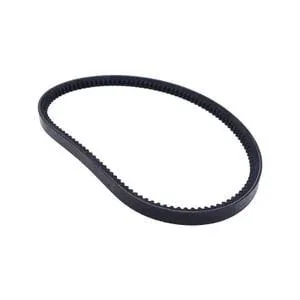
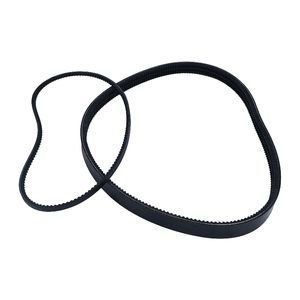
Matched Set Dispatch — belt tensioner 87326910 J914086 (cross-reference only) paired with fan belt and pulley assemblies for complete CASE engine belt drive system overhaul.
Technical Specifications
| Parameter |
Value |
| Part Number |
87326910 J914086 |
| Product Type |
Belt Tensioner |
| Cross-Reference |
87326910 / J914086 (reference only) |
| Machine Fitment |
CX210, CX130, CX160, CX210LR, CX240, CX240LR, 580K, 580L, 580M, 580SK, 580SM, 621B, 621C, 721B, 721C, 821B, 821C, 1150E, 1150G, 1650K, 1850K, 650K, 750K, 850K, MX100–MX220 series |
| Material |
Forged steel housing |
| Pivot Shaft Tolerance |
±0.02 mm |
| Spring Material |
ASTM A228 music wire, shot-peened |
| Spring Fatigue Resistance |
Up to 1.2 million cycles |
| Bearing Type |
Sealed ball bearings |
| Bearing IP Rating |
IP65 |
| Operating Temperature Range |
–20°C to +120°C |
| Condition |
New Aftermarket |
| Warranty |
3–12 months against manufacturing defects |
| MOQ |
1 piece |
| Standards |
ISO 9001, SAE J1922, ISO 8573-1 |
Application Suitability
| Engine System |
Related Components |
| Fan drive circuit |
Fan belt, fan hub bearing, fan pulley |
| Alternator charging circuit |
Alternator belt, alternator bracket, idler pulley |
| Coolant circulation drive |
Water pump pulley, coolant hose connections |
| Accessory drive system |
Serpentine belt, bracket mounting bolts |
| Air conditioning compressor drive |
Compressor clutch pulley, AC belt |
Why a Belt Tensioner Fails Again Shortly After a Belt Replacement
The root cause usually lives in adjacent components, not the tensioner alone.
In the workshop, I have watched machines come back within weeks after a fresh belt was installed while the worn tensioner was left in place. Belt slippage, overheating, and alternator undercharging often trace back to spring fatigue inside the tensioner or a seized bearing that was never inspected. Replacing only the visible wear item without checking the full belt drive system creates a cycle of repeat failures that costs far more in cumulative downtime than a complete matched-set overhaul [NEED_CITE: diesel engine belt drive system failure root cause analysis].
How This Tensioner Fits Inside the CASE Engine Belt Drive System
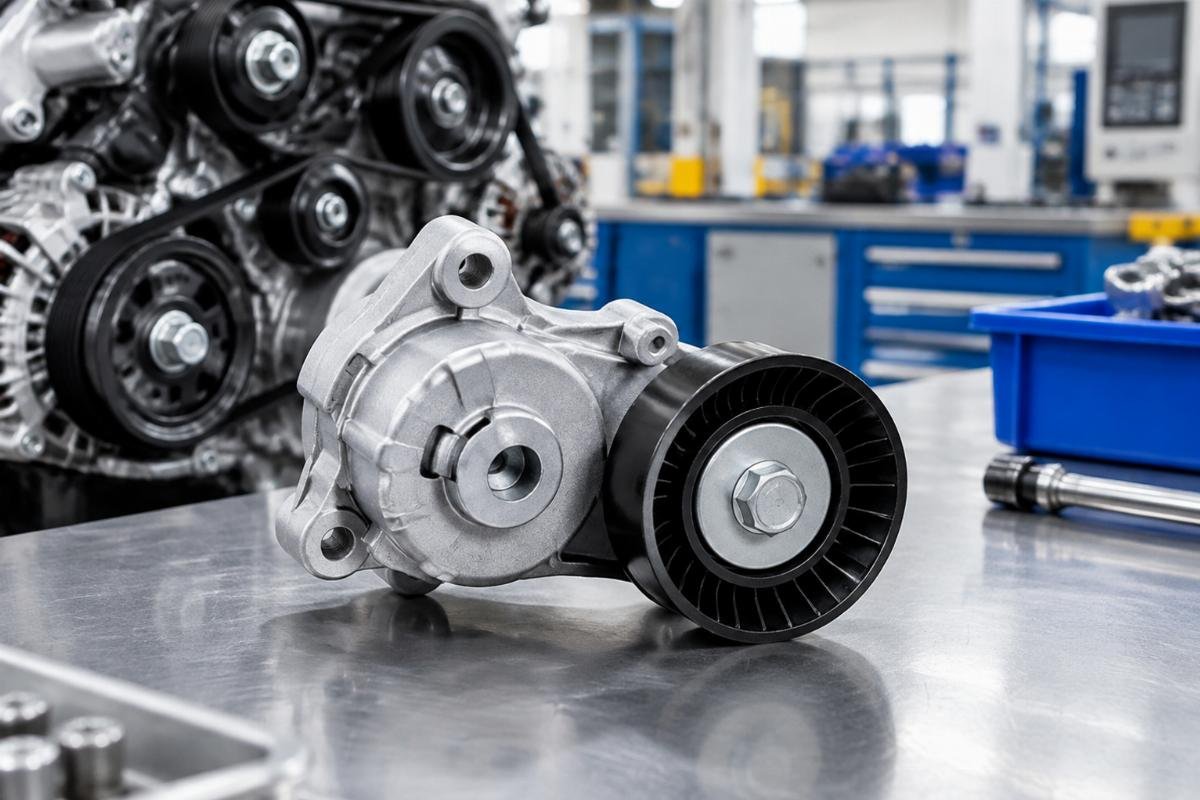
The belt drive system on CASE engines such as the 4390, 4391, 6590, and 6830T series links the crankshaft pulley to the fan, alternator, and water pump through one or more belt loops. This belt tensioner engine rebuild replacement sits at a critical junction where it maintains correct preload across the entire loop. If tensioner output drops, the fan slows, coolant temperature rises, and the alternator fails to maintain voltage under load.
Engine Serial Variants and Why the Same Number Ships Differently
Across CASE production runs, engines in the same family may carry different tensioner configurations depending on the accessory layout and emission standard of that build. An engine tagged 4391TA may use a different pivot geometry or spring rate than a 4391 without the suffix. Confirming the exact engine serial and cross-referencing 87326910 / J914086 (reference only) against the specific build documentation eliminates the risk of receiving a tensioner that physically mounts but applies incorrect preload [NEED_CITE: CASE engine serial variant tensioner configuration differences].
Reading the Specifications That Matter in the Field
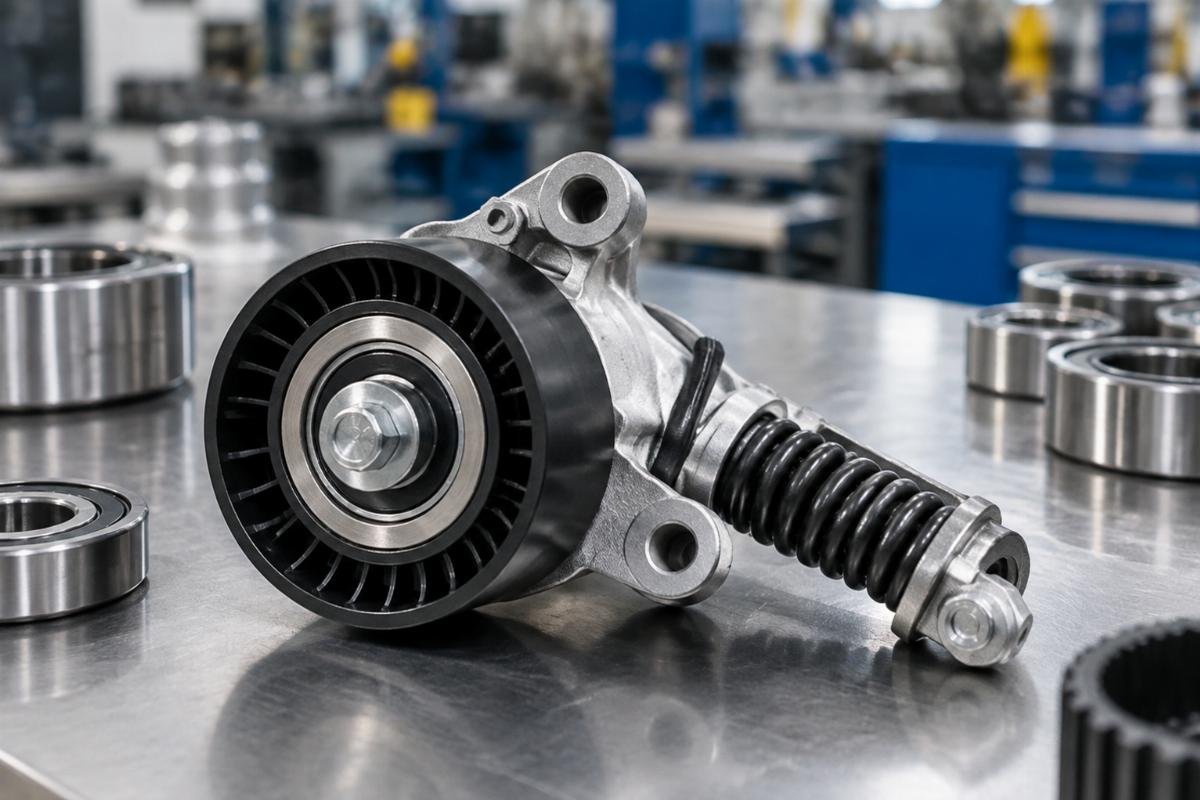
The forged steel housing provides the rigidity needed to resist deflection under continuous belt load, particularly on high-output engines where fan torque spikes during cold starts. Pivot shaft tolerance of ±0.02 mm ensures the arm swings true without wobble that would cause uneven belt wear. The ASTM A228 music wire spring, shot-peened for surface compression, sustains tension output across up to 1.2 million thermal and mechanical cycles. Sealed ball bearings rated to IP65 keep abrasive dust out of the race during quarry or demolition work, which is where most belt drive failures accelerate. Operating across –20°C to +120°C covers cold-start mornings through sustained high-load digging cycles without grease breakdown.
The Hidden Cost of Skipping System-Level Inspection
When a tensioner is replaced without checking pulley alignment, bracket integrity, and belt condition, the new unit inherits whatever misalignment caused the previous failure. A slightly bent bracket shifts the belt tracking path, forcing the tensioner bearing to carry side loads it was never designed for. I have seen tensioner bearings fail in under two hundred hours on a machine where the bracket was never straightened after a prior fan strike. The repair bill then doubles because the engine was opened twice for what was always a single underlying problem [NEED_CITE: belt drive misalignment bearing premature failure mechanics].
Why Sourcing the Full Set From One Account Matters
Our own production lines and qualified sourced partners operate under identical QC and warranty terms, so a matched tensioner, belt, and pulley kit ships from one account with one warranty period. The eight-category catalog means fan belts, alternator belts, idler pulleys, and mounting hardware move in a single consignment rather than arriving on staggered schedules from multiple vendors. Guangzhou warehouse stock on common belt drive items allows fast dispatch, while the technical team confirms compatibility against your exact engine serial before anything leaves. Part identification works from a part number, a machine model, a photograph, or a worn nameplate image.
Documentation & Verification
- Commercial invoice listing each belt drive component with individual part references
- Cross-reference sheet mapping 87326910 and J914086 to your engine build (reference only)
- Quality inspection record showing spring load test and bearing rotation check
- Warranty terms covering matched-set installations for 3–12 months
- Packing photographs confirming kit completeness before crate closure
- HS code and customs documentation for belt drive system components
Installation & Rebuild Sequence
- Remove all belts and inspect pulley faces for glazing or groove wear before mounting the new tensioner
- Verify pivot shaft bore is clean and free of corrosion to maintain ±0.02 mm tolerance engagement
- Torque the tensioner mounting fasteners to engine manual specification in the correct sequence
- Route new belts per the engine diagram and release the tensioner slowly to seat belts in grooves
- Run the engine at idle for initial break-in and check belt tracking alignment on each pulley
Request a Matched Belt Drive Quote
Provide the engine model, serial number, and any previous rebuild documentation so we can confirm the correct tensioner variant and identify which associated belts and pulleys should ship together.
Frequently Asked Questions
Q: What other belt drive components should be replaced together with the tensioner?
A: A complete belt drive overhaul typically includes the fan belt, alternator belt, idler pulleys, and any pulleys showing groove wear or face glazing. Replacing the tensioner alone while leaving degraded belts or worn pulleys in place invites early repeat failure. We supply matched belt drive kits so all components arrive together for a single repair event.
Q: How do I confirm the correct tensioner variant for my specific CASE engine serial?
A: Share the engine model, full serial number, and any rebuild history. CASE engines in the same family can carry different tensioner configurations across production runs. We cross-reference 87326910 and J914086 against your specific build documentation to confirm pivot geometry, spring rate, and mounting pattern before dispatch.
Q: The previous rebuild changed the belt — why did the tensioner still fail?
A: Belt replacement addresses the symptom, not the cause. Spring fatigue inside the tensioner or a seized bearing continues to degrade tension output regardless of belt condition. System-level diagnosis checks the tensioner, pulleys, and bracket alignment together to identify which component initiated the failure sequence.
Q: Does the overhaul kit include this tensioner, or is it ordered separately?
A: Standard overhaul kits often focus on internal engine components and may exclude external belt drive parts. Confirm your kit contents against the belt drive system requirements. We supply this tensioner individually or as part of a matched belt drive kit that includes all associated belts and pulleys.
Q: How do I identify the exact engine model when the nameplate is worn or painted over?
A: Send a clear photograph of the engine block, any visible casting numbers, and the machine model and serial. Our technical team uses these reference points to trace the original engine build and confirm the correct tensioner configuration without relying on the nameplate alone.