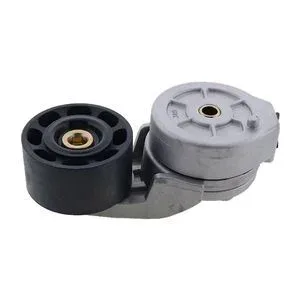
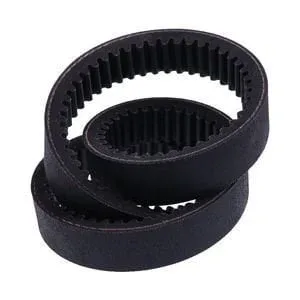
System-Matched Components — Verified belt drive group compatibility across Cummins 4BT, 6BT, and 6C8.3 engine serial variants before dispatch.
Technical Specifications
| Parameter |
Value |
| Product Type |
Belt Tensioner |
| Part Number |
3936202 3917485 3964636 |
| Cross-Reference |
3936202, 3917485, 3918944, 3934817, 3936203, 3967188, 3964636 (reference only) |
| Machine Fitment |
Hyundai R130LC-3, R130W-3, R140LC-7, R160LC-3, R170W-3, R180LC-3, R200NLC-3, R200W, R200W-2, R200W-3, R210LC-3, R210LC-3_LL, R210LC-7, R250LC-3, 33HDLL |
| Engine Fitment |
Cummins 4BT, 6BT, 4B3.9, 6B5.9, 6C8.3, B4.5, QSL9 CM554, NH/NT 855, QSB6.7 CM850(CM2850), C8.3 G |
| Condition |
New Aftermarket |
| Warranty |
3–12 months against manufacturing defects |
| Standards |
ISO 9001 |
Application Suitability
| Engine System |
Related Components |
| Accessory Drive |
Drive belt, idler pulleys, alternator mount |
| Cooling System |
Water pump, fan hub assembly, thermostat housing |
| Front Gear Train |
Crankshaft pulley, vibration damper, timing cover seals |
| Charging System |
Alternator bracket, adjustment arm, mounting hardware |
Why Overhaul Kits Miss the Root Cause of Belt Drive Failure
Replacing a failed tensioner without inspecting the adjacent pulley bearings and bracket alignment invites repeat failure within the first service cycle.
In my years working around Cummins-powered excavators at mining sites in West Africa, I have seen belt drive systems returned to the teardown bench because the rebuild scope stopped at the broken component. A Cummins Belt Tensioner engine rebuild parts order often arrives with the correct spring assembly, yet the underlying misalignment in the idler pulley bore or a fatigued alternator bracket goes unnoticed. The new tensioner then absorbs loads it was never calibrated for, and the machine is back in the shop before the next scheduled service. [NEED_CITE: accessory drive system failure analysis methodology for diesel engines]
The Belt Drive System as a Matched Assembly
This tensioner operates within a calibrated accessory drive group where spring preload, pivot rotation torque, and pulley alignment function as interdependent variables. When ordering Cummins Belt Tensioner engine rebuild parts, the system context matters more than the individual component specification. The spring force must match the belt span length and the combined rotational inertia of the water pump, alternator, and any auxiliary drives connected to the same belt loop.
Engine Serial Variants and Cross-Reference Verification
The Cummins 4BT, 6BT, and 6C8.3 families use tensioner variants that differ in mounting bolt pattern, arm length, and spring rate. [NEED_CITE: Cummins engine serial range variant identification procedures] A part number that fits an early-production 6B5.9 may not seat correctly on a later QSB6.7 CM850 block without bracket modification. Our cross-reference verification covers superseded numbers including 3918944, 3934817, and 3967188 against your specific engine build record to confirm the exact variant required.
Spring Calibration and Bearing Load Distribution
The tensioner spring is calibrated to maintain consistent belt engagement across the operating temperature range of the Cummins B-series and C-series engines. Insufficient preload causes belt slip, leading to water pump underperformance and engine overheating under load. Excessive preload accelerates bearing wear in the idler pulley and the water pump shaft seal. The pivot bushing must rotate freely within specified torque limits; any binding transfers cyclic loading directly to the mounting bracket, promoting fatigue cracking at the bolt holes.

The Hidden Cost of Ignoring System-Level Diagnostics
A tensioner replaced in isolation typically fails again when the root cause remains in the surrounding hardware. Worn idler pulley bearings introduce lateral runout that the new tensioner cannot compensate for, producing audible noise within operating hours and eventual belt tracking failure. Misaligned alternator brackets place asymmetric loads on the tensioner pivot, wearing the bushing on one side while the opposite side remains underutilized. These patterns compound with each restart cycle, meaning the second failure often occurs sooner than the first. [NEED_CITE: diesel engine accessory drive misalignment diagnostic procedures]
Why Source Belt Drive Components Through This Channel
Our production and sourcing lines operate under unified quality control, so belt drive components shipped together carry the same inspection standards and warranty terms. We supply across eight categories, allowing a complete belt drive overhaul kit — tensioner, belt, idler pulleys, and associated seals — to ship as a single consignment under one account. Orders start from one piece for emergency rebuilds, and our Guangzhou warehouse maintains stock on common Cummins B-series and C-series tensioner variants for fast dispatch. Part identification works from your engine serial number, a photograph of the old component, or the machine nameplate when the original label is illegible. Cross-reference verification covers superseded and alternate numbers to confirm fitment before commitment.
Documentation & Verification
- Commercial invoice listing each belt drive component by verified cross-reference number
- Compatibility sheet confirming tensioner variant against your Cummins engine serial range
- Dimensional inspection record covering pivot bore, spring rate, and arm length tolerances
- Warranty terms covering manufacturing defects for the stated coverage period
- Packing photographs showing anti-rust coating and protective foam before crate closure
- HS code and customs classification support for international engine parts shipments
Installation & Rebuild Sequence
- Verify crankshaft pulley and idler pulley runout before mounting the new tensioner assembly
- Clean mounting surfaces and inspect bracket bolt holes for elongation or thread damage
- Confirm belt routing matches the engine-specific diagram for your Cummins variant
- Torque tensioner mounting bolts to specification and verify pivot arm moves freely through full travel
- Run engine at idle and observe belt tracking for lateral movement or chirping noise
Requesting a Fitment-Confirmed Quote
Provide your Cummins engine model, serial number, and any previous rebuild history so we can confirm the correct tensioner variant and identify related belt drive components that should be addressed in the same service window. Photographs of the existing tensioner and surrounding bracket arrangement help us verify compatibility when the engine data plate is incomplete.
Frequently Asked Questions
Q: What other belt drive components should be replaced alongside this tensioner during an overhaul?
A: We recommend inspecting the drive belt for glazing and cracking, checking idler pulley bearings for lateral play, and verifying alternator and water pump bracket alignment. Including these items in the same order eliminates split freight costs and ensures matched service life across the accessory drive group.
Q: Do different Cummins engine serial ranges require different tensioner variants?
A: Yes. The 4BT, 6BT, 6C8.3, and QSB6.7 families have differences in mounting bolt spacing, arm geometry, and spring calibration. Provide your engine serial number so we can verify which cross-reference number applies to your specific engine build record.
Q: How is the correct cross-reference number confirmed for my engine?
A: We cross-reference your engine serial number against superseded part numbers including 3918944, 3934817, and 3967188 to identify the exact variant. This verification covers production date ranges and bracket configuration differences that affect fitment.
Q: Is a complete belt drive overhaul kit available, or must components be ordered individually?
A: Matched belt drive kits containing the tensioner, belt, idler pulleys, and related fasteners are available for common Cummins configurations. Individual components can also be ordered separately when only specific items require replacement.
Q: What system checks should be performed before installing the new tensioner?
A: Inspect pulley alignment with a straight edge across the belt drive plane, check bracket bolt torque, and verify water pump shaft bearing condition. Addressing these items during installation prevents premature tensioner failure caused by external loading conditions.