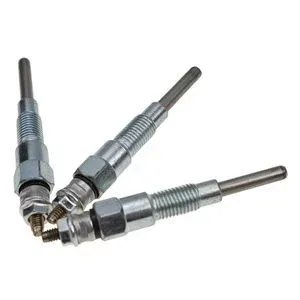
Engine Serial Variants Confirmed — every shutoff solenoid dispatch is matched against the specific Stanadyne/Roosamaster pump variant and engine serial range to prevent stroke or terminal mismatches.
Technical Specifications
| Parameter |
Value |
| Part Number |
AR90340 RE37089 AR48219 AR51796 RE62240 |
| Cross-Reference |
RE62240, RE37089, AR48219, AR51796, AR90340, 8094900, 14067411, 15577535, 26435149 (reference only) |
| Product Type |
Stop Solenoid |
| Voltage |
12V |
| Part Name |
12V Fuel Injection Pump Shutoff Solenoid |
| Condition |
New Aftermarket |
| Warranty |
3-12 months against manufacturing defects |
| Certification |
ISO 9001 |
| Machine Fitment |
John Deere 1020, 2020, 2030, 2520, 3010, 3020, 4000, 4020, 4320, 4520, 4620, 5020, 6030, 3300, 9400, 5200, 5400, 7445, 9900, 9910, 9920, 9930, 210C, 300B, 300D, 310D, 315D, 2250, 2270, 2280, 2320, 2420, 3430, 3830; Perkins 1004-4, 1004-40, 1004-40T, 1004-42, 1004-4T, 1006-6, 1006-6T; John Deere Engine 4239, 4239D, 4239T, 4329A, 6466D, 6466T, 6466A, 6404, 6466; Stanadyne/Roosamaster 5.7L, 6.2L, 6.5L, 6.9L, 7.3L; GM 4.3L, 5.7L, 6.2L, 6.5L; Ford 6.9L, 7.3L |
Application Suitability
| Engine System |
Related Components |
| Stanadyne/Roosamaster rotary injection pump (5.7L–7.3L) |
Pump overhaul seal kit, fuel return line fittings, governor spring set |
| John Deere 4239/6466 diesel fuel system |
Injection line seals, fuel transfer pump, primary and secondary fuel filters |
| Perkins 1004/1006 series mechanical injection |
Lift pump diaphragm, injector leak-off hose, fuel solenoid wiring connector |
| GM/Ford 6.2L/6.9L/7.3L diesel shutdown circuit |
Ignition relay, wiring harness terminals, fuel shutoff linkage |
Why the Rebuild Stalls When the Solenoid Doesn't Match the Pump Variant
A replacement fuel injection pump shutoff solenoid arrives, but the plunger stroke or terminal configuration doesn't match the pump variant sitting on your bench — the rebuild halts while the machine stays torn down.
I've seen this play out at a mining site in Nigeria more times than I'd like to count. A Stanadyne rotary pump gets pulled for service, the shutoff solenoid tests dead, and a replacement is ordered by part number alone. What shows up fits the housing but not the internal governor arrangement. The engine sits open, the crew waits, and the project timeline shifts. The root cause is almost always a superseded part number or an engine serial variant that changed the pump specification mid-production run [NEED_CITE: diesel injection pump variant identification by engine serial range].
A fuel injection pump shutoff solenoid engine rebuild replacement must be verified against the actual pump model and engine build date, not just the machine model plate.

Matching the Solenoid to the Injection Pump Model and Serial Range
The Stanadyne/Roosamaster rotary pump family spans multiple displacement variants from 5.7L through 7.3L, and the shutoff solenoid plunger length and mounting flange differ between them. A fuel injection pump shutoff solenoid engine rebuild replacement selected only by machine model can miss these internal differences. Confirming the pump casting number and engine serial range before ordering closes that gap and prevents a second teardown.
Superseded Numbers and the Cross-Reference Trail
Part numbers for these solenoids have migrated across production years — AR90340 gave way to RE37089, which later transitioned to RE62240. Each transition can carry changes in terminal type or coil winding. Verified cross-reference tables covering these superseded and alternate numbers (AR48219, AR51796, AR90340, RE37089, RE62240) ensure the replacement matches the current pump configuration, not just the original build specification [NEED_CITE: aftermarket cross-reference verification for superseded fuel system part numbers].
Electrical Specifications and Their Real-World Effect
The 12V coil rating means the solenoid operates within the standard vehicle electrical system, but voltage drop across degraded wiring or corroded terminals can prevent full plunger travel. A solenoid receiving marginal voltage may partially open the fuel rack — enough to allow starting but not enough to hold the rack open under load, causing intermittent stalling that gets misdiagnosed as a pump governor fault. Checking circuit voltage at the solenoid connector under cranking load is as important as the component itself.
The Hidden Cost of Skipping the System-Level Diagnosis
Replacing the shutoff solenoid without checking the wiring harness, fuel contamination level, and voltage supply often leads to a repeat failure within a short service window. Contaminated fuel accelerates wear on the solenoid plunger bore inside the pump, and a weak connection in the harness creates the same no-shutdown or no-start symptom the new part was meant to cure. The rebuild shop that addresses the failure cause rather than the failed part alone avoids the comeback [NEED_CITE: root cause analysis methodology for diesel fuel system electrical component failures].
Why Rebuild Shops Source This Component Here
Own production on selected lines and qualified sourced supply under one account means the shutoff solenoid ships alongside pump overhaul seals, fuel line fittings, and return hose in a single consignment with one warranty. The technical team verifies compatibility against engine serial number and pump casting number before dispatch, catching variant mismatches that cross-reference tables alone cannot resolve. Sample supply is available for fitment confirmation before a shop commits to bulk ordering for fleet overhaul programs. Part identification works from a part number, machine model, pump photograph, or nameplate image — whichever reference the buyer has on hand.
Documentation & Verification
- Commercial invoice listing solenoid part number and matched pump variant
- Compatibility and cross-reference sheet covering RE62240, RE37089, and superseded numbers (reference only)
- Dimensional check on plunger stroke length and terminal configuration before dispatch
- Quality inspection record confirming coil resistance and 12V functional test
- Warranty terms covering manufacturing defects for 3 to 12 months
- Packing photographs showing solenoid protection and shipment consolidation
Installation & Rebuild Sequence
- Verify solenoid plunger length matches the pump governor cavity depth before assembly
- Inspect the solenoid bore in the pump housing for scoring from previous contamination events
- Torque the solenoid mounting fasteners to the pump manufacturer specification to avoid housing distortion
- Test coil resistance and wiring harness continuity before connecting the new solenoid to the harness
- Confirm full fuel rack travel through the complete shutoff-to-full-fuel range after installation
- Run the engine and cycle the ignition to verify clean shutdown response without hesitation
Requesting the Right Match for Your Rebuild
Provide the engine model, engine serial number, and injection pump casting number when available. If the pump has been replaced or rebuilt previously, note that history so the solenoid variant can be confirmed against the current pump configuration rather than the original build specification. Photographs of the existing solenoid terminal and nameplate help resolve ambiguous cases.
Frequently Asked Questions
Q: What other fuel system components should I replace alongside the shutoff solenoid during a pump rebuild?
A: During a Stanadyne or Roosamaster pump overhaul, replacing the shutoff solenoid alongside the pump seal kit, fuel transfer pump diaphragm, and return line fittings prevents early comebacks. These adjacent components share the same service interval and are accessible while the pump is on the bench. Shipping them in one consignment avoids a second teardown for a seal that was already due.
Q: My engine has been rebuilt before — how do I confirm the correct solenoid variant?
A: Previous rebuilds may have swapped the injection pump or changed internal governor components. Providing the current pump casting number and a photograph of the existing solenoid plunger and terminal allows verification against the actual configuration on the engine, not just the original factory specification. This catches mismatches that engine serial number alone cannot reveal.
Q: Can I get matched seals, fuel line fittings, and return hose in the same shipment?
A: Yes. The shutoff solenoid ships together with pump overhaul seals, fuel line fittings, and return hose under one account and one warranty. Consolidating these components into a single dispatch means the complete pump service kit arrives together, eliminating split freight costs and the scheduling delays that come from waiting on a second supplier.
Q: How do I cross-reference superseded part numbers like RE37089 to RE62240?
A: Part numbers for these solenoids have transitioned across production years, and each superseded number may carry differences in terminal type or coil specification. A verified cross-reference sheet accompanies the order, mapping the original number through its replacements to the current variant that matches your specific pump model and engine serial range.
Q: What electrical checks should I perform on the wiring harness before installing the new solenoid?
A: Check circuit voltage at the solenoid connector under cranking load, inspect terminals for corrosion, and test harness continuity end to end. Voltage drop across a degraded harness can prevent full plunger travel, causing the same no-start or erratic shutdown symptom that prompted the replacement. Addressing the wiring prevents a repeat failure of the new component.