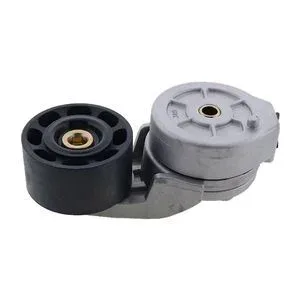
Matched Belt Drive Set Shipped Together — this drive pump belt 6726898 ships alongside verified tensioner and idler pulley components for a complete Bobcat loader engine belt drive overhaul.
Technical Specifications
| Parameter |
Value |
| Part Number |
6726898 |
| Cross-Reference |
6726898 (reference only) |
| Product Type |
Belt |
| Machine Fitment |
753, 763, 773, S130, S150, S160, S175, S185, S205, T140, T180, T190 |
| Design Type |
Flat, cogged drive belt with 3 grooves |
| Length |
57.4 inches (1458 mm) |
| Width |
1.19 inches (30.2 mm) |
| Material |
Fiber-loaded backing with additional cord support |
| Condition |
New Aftermarket |
| Warranty |
6-month manufacturer warranty against defects |
| MOQ |
1 piece |
Application Suitability
| Engine System |
Related Components |
| Hydraulic Pump Drive |
Tensioner assembly, idler pulley, pump coupling |
| Belt Drive Overhaul |
Complete belt set, tensioner bearing, pulley hardware |
| Loader Power Transmission |
Engine crankshaft pulley, hydraulic pump mount |
| Scheduled Engine Service |
Drive belt, coolant hoses, adjacent gaskets |
Why New Belts Fail Weeks After Installation
Premature belt failure almost always traces back to an undiagnosed component elsewhere in the drive system.
Rebuild shops regularly see a replacement Drive Pump Belt 6726898 fail within the first few weeks of operation, not because the belt itself was defective, but because the tensioner spring had lost calibration or the idler pulley bearing was generating excessive drag. When a belt is ordered and installed without inspecting the full drive path, the root cause of the original failure remains unaddressed [NEED_CITE: belt drive system diagnostic procedures for skid steer loaders]. The result is a second teardown, a second belt purchase, and a machine that spends more time on the shop floor than on the job site. Engine rebuild shops that evaluate the entire belt drive system as a single unit consistently report fewer comeback repairs and higher customer satisfaction.

The Belt Drive System as an Interdependent Assembly
This Drive Pump Belt 6726898 sits within an engine belt drive system that transfers crankshaft torque directly to the hydraulic pump. The belt does not operate in isolation; its service life depends entirely on correct tension applied by the tensioner, smooth rotation of the idler pulley, and proper alignment of the pump coupling. When any single component in this chain is worn beyond tolerance, the belt absorbs the resulting stress through accelerated edge wear, glazing, or tooth shear. Engine rebuild shops that treat the belt, tensioner, and pulleys as a matched set during overhaul consistently achieve longer intervals between drive system failures.
Engine Serial Variants and Belt Fitment Differences
Across the Bobcat loader range, engine serial variants can alter pulley groove count and belt routing paths even when the base machine model remains the same. A loader with an earlier engine build may use a different tensioner configuration than one produced later in the same model series, requiring a belt with slightly different engagement characteristics. Confirming the engine serial number before ordering ensures the 3-groove cogged profile on this belt matches the specific pulley configuration installed on your machine [NEED_CITE: Bobcat loader engine serial variant belt routing differences]. Rebuild shops handling multiple machines from the same model family should pull engine data from each unit rather than assuming uniformity.
Dimensional Tolerance and Load-Bearing Design
The 57.4-inch length and 1.19-inch width of this belt are held to ±0.3 mm tolerance, which directly determines how the three grooves engage with the pulley sheaves under load. A belt that runs even slightly outside this tolerance will ride higher or lower in the groove, creating uneven contact pressure that accelerates wear on both the belt and the pulley surface. The fiber-loaded backing with high-tensile cord reinforcement resists stretching under the continuous hydraulic pump load typical of skid steer operation. The cogged design with variable spacing disrupts harmonic resonance frequencies that cause standard V-belts to develop cracks along the cord line during extended high-RPM operation.
The Hidden Cost of Skipping the Tensioner
Replacing the belt without evaluating the tensioner and idler pulley is the most common reason rebuild shops see the same machine return with another drive system failure. A weakened tensioner spring applies inconsistent force across the belt span, allowing momentary slip during hydraulic load spikes that burns the belt surface and accelerates glazing. A seized or dragging idler pulley bearing generates localized heat that degrades the fiber backing from the inside out, producing a failure that looks like a material defect but is actually a system-level problem [NEED_CITE: hydraulic pump drive belt premature failure root cause analysis]. The cost of a second teardown in labor and lost machine availability far exceeds the cost of replacing the tensioner and pulley during the initial overhaul.
Why Rebuild Shops Source Belt Drive Components Here
Our own production lines and qualified sourced supply carry identical QC standards and warranty terms, so whether a component comes from our facility or a certified partner, the coverage is the same. Eight product categories under one account mean a complete belt drive overhaul kit — belt, tensioner, pulleys, coupling, fasteners — consolidates into a single shipment. One-piece minimum order supports emergency single-machine repairs without forcing distributors to absorb excess stock. Guangzhou warehouse inventory enables rapid dispatch on common belt drive items. Part identification from engine serial number, machine model, or a photograph of the old belt ensures the correct variant ships every time.
Documentation & Verification
- Commercial invoice listing each belt drive component by part number and engine fitment
- Cross-reference sheet (reference only) mapping superseded belt numbers across Bobcat loader generations
- Dimensional inspection record confirming length and width tolerance before dispatch
- Six-month warranty terms covering manufacturing defects on all belt drive components
- Pre-shipment photographs showing belt packaging and condition
- HS code and customs documentation for international belt drive kit shipments
Installation & Rebuild Sequence
- Clean all pulley sheaves thoroughly before installing the Drive Pump Belt 6726898 to prevent debris embedding in the grooves.
- Verify tensioner spring force and idler pulley bearing play before routing the new belt.
- Route the belt following the specific engine serial variant diagram, confirming three-groove alignment on each pulley.
- Run the engine at idle for initial seating, then recheck tension after the first operating cycle.
- Inspect belt tracking and groove engagement under loaded hydraulic operation before returning the machine to service.
Requesting a Complete Belt Drive Quote
Provide the loader model, engine serial number, and any previous overhaul history to receive a matched belt drive component list. Include photographs of the existing belt, tensioner, and pulley condition if the nameplate is worn. Specify whether you need a single machine set or a fleet-quantity stocking order for scheduled engine service intervals.
Frequently Asked Questions
Q: What other belt drive components should be replaced together with this belt?
A: The tensioner assembly and idler pulley should always be evaluated and typically replaced alongside the belt during an overhaul. The pump coupling should also be inspected for wear or cracking. Replacing these as a matched set prevents the new belt from absorbing stress caused by worn adjacent components, which is the leading cause of premature belt failure.
Q: How do engine serial variants across Bobcat loader models affect belt fitment?
A: Engine serial variants within the same loader model can alter pulley configuration, tensioner design, and belt routing. Providing the engine serial number allows us to verify the correct belt variant rather than relying on the machine model alone, which may span multiple engine builds with different drive system layouts.
Q: What system-level faults cause premature belt failure beyond the belt itself?
A: A weakened tensioner spring, seized idler pulley bearing, or misaligned pump coupling all transfer abnormal stress to the belt. These faults cause edge wear, glazing, or internal cord damage that mimics a defective belt but actually originates from undiagnosed system components. Addressing root causes during installation prevents repeat failures.
Q: Is a matched set available including tensioner and pulley for a complete belt drive overhaul?
A: Yes, we supply the belt together with compatible tensioner assemblies, idler pulleys, and pump couplings as a consolidated kit. Providing your engine serial number ensures every component in the set matches your specific engine build, and the entire kit ships under one account with unified warranty coverage.