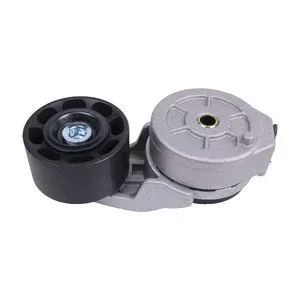
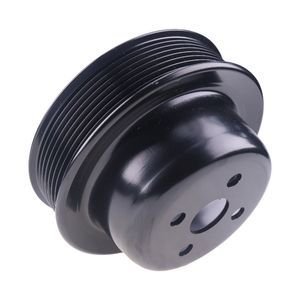
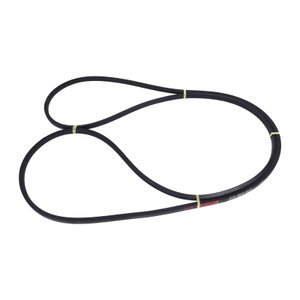
Matched Set Dispatch — Every belt drive overhaul ships with tensioners and pulleys verified against your mower's serial range.
Technical Specifications
| Parameter |
Value |
| Part Number |
07200921 |
| Cross-Reference |
07200921 (reference only) |
| Product Type |
Belt |
| Machine Fitment |
918004 (Ikon 52"), 918005 (Ikon 52"), 918006 (Ikon 52"), 918026 (Ikon Onyx 52"), 918028 (Ikon Select 52"), 918010 (ZTX 52), 918011 (ZTX 52), 918014 (ZT XL 52), 918015 (ZT XL 52) |
| Brand Compatibility |
Fits Ariens, Gravely |
| Machine Type |
52" Zero-Turn Mower |
| Condition |
New Aftermarket |
| Warranty |
3-12 months against manufacturing defects |
| Manufacturing Standard |
ISO 9001 |
| MOQ |
1 piece |
Application Suitability
| Engine System |
Related Components |
| Deck drive power transfer |
Deck spindle pulleys, idler bearings, tensioner spring assembly |
| Engine output to transmission |
Engine drive pulley, clutch mechanism, belt guide brackets |
| Blade engagement circuit |
PTO engagement lever linkage, deck lift pivot points, belt routing guards |
Why a New Belt Fails Before the Next Service Window
The failed belt is usually a symptom, not the cause. A glazed pulley face, a weakened tensioner spring, or a seized idler bearing transfers uneven load to the replacement belt, accelerating cord fatigue and sidewall abrasion. Workshops that swap only the belt without auditing the full drive path see premature failures repeat within weeks [NEED_CITE: zero-turn mower belt drive failure root cause analysis].
I have stood in repair bays in Jakarta watching a fresh belt shred after a few operating hours because the tensioner arm was no longer applying consistent force. The mechanic blamed the belt brand. The real culprit was a worn pivot bushing on the tensioner bracket that nobody inspected. This drive belt 07200921 compatible with Ariens Gravely 52" mowers performs correctly only when the surrounding system is addressed. Sourcing the belt alongside matched pulleys and tensioners from one account eliminates the finger-pointing that happens when components arrive from separate suppliers.

The Belt Drive System as a Wear-Linked Assembly
The 07200921 transfers crankshaft output through a routed path to the mower deck spindles, where consistent rotational speed determines cut quality. Every pulley it wraps around, every idler it deflects over, and the tensioner that maintains its tracking force all share the same wear cycle. When one element degrades, the remaining components absorb disproportionate stress. Treating this drive belt replacement as a system-level job rather than a single-component swap is what keeps the deck spinning true through the next service interval.
Sizing, Profile, and the Geometry That Prevents Slip
Tooth profile, cord reinforcement spacing, and rubber compound hardness must match the original pulley geometry or the belt will ride high in the groove and slip under load. Heat buildup from slip accelerates rubber degradation, which in turn exposes the tensile cords to moisture and debris. This drive belt engine rebuild replacement is compounded for the thermal and abrasion environment specific to 52" deck applications, where blade drag on dense grass produces sustained torque spikes [NEED_CITE: elastomer compound selection criteria for outdoor power equipment belt drives]. Procurement that ignores these system-level specifications ends up replacing belts at intervals that make no economic sense.
Reading the Specifications That Matter
The machine fitment list spans multiple Ariens and Gravely 52" variants — Ikon, Ikon Onyx, Ikon Select, ZTX, and ZT XL — but these are not interchangeable across all serial ranges. Deck drive routing and pulley diameters shift between model generations, meaning a belt that tensions correctly on one variant may run loose or bind on another. The ISO 9001 manufacturing standard ensures dimensional repeatability across production batches, which matters when you are restocking for a fleet of mixed-model mowers. The 3-12 month warranty covers manufacturing defects, giving workshops a baseline for evaluating early-life failures against expected wear patterns.
What Happens When the Root Cause Goes Unchecked
A workshop replaces a snapped belt and returns the mower to service. Two weeks later the replacement belt shows cord separation along one edge. The cause was a pulley with a worn groove profile that pinched the belt sidewall — visible on inspection, invisible if nobody looked. The cost is not just the second belt. It is the second teardown, the second round of labor hours, and the customer's eroded confidence [NEED_CITE: repeat failure cost modeling in groundskeeping equipment maintenance]. Auditing the full drive path at the time of the first replacement eliminates this cycle.
Why Source This Belt Through Our Engine Systems Desk
Own production lines and qualified sourced partners operate under one warranty account, so a belt ordered with its matching tensioner carries identical quality terms. Eight product categories mean the deck pulleys, idler bearings, and belt guides ship in one consignment rather than arriving on staggered schedules. Minimum order is one piece, which matters when a single mower is down and the rest of the fleet is running. Our technical team verifies fitment against your specific machine model and serial number before confirming the order. Sample supply is available so you can physically confirm routing and tension before committing to a bulk restock. Cross-reference verification covers superseded part numbers that may have been carried forward with errors from previous listings.
Documentation & Verification
- Commercial invoice listing each belt drive component by machine model and serial number
- Cross-reference sheet mapping 07200921 (reference only) to superseded and alternate numbers
- Dimensional inspection record covering belt length, width, and tooth profile geometry
- Warranty terms document specifying coverage period and defect claim procedure
- Packing photographs showing belt coiling method and protective wrapping before dispatch
- HS code classification and customs documentation support for cross-border shipments
Installation & Rebuild Sequence
- Verify belt routing diagram against the specific Ikon, ZTX, or ZT XL variant before threading
- Inspect all pulley grooves for wear ridges that will abrade the new belt sidewall immediately
- Confirm tensioner spring force and pivot bushing condition before applying final belt tension
- Run the deck at idle for initial seating, then check tracking alignment under no-load conditions
- Re-tension after the first operating cycle as the new belt seats into the pulley geometry
Requesting a Fitment-Confirmed Quote
Provide your mower model number, serial number, and any previous belt replacement records. If the nameplate is worn or painted over, send a photograph of the deck data stamp or the old belt's printed markings. Our team will cross-reference against the compatible model table and confirm whether adjacent drive components should be included in the same shipment.
Frequently Asked Questions
Q: What other belt drive components should I inspect when replacing this belt?
A: Check every pulley the belt contacts for groove wear and bearing play. Test the tensioner spring for consistent force and inspect its pivot bushing for slop. Idler bearings should spin freely without lateral movement. Belt guide brackets must be straight and correctly positioned. Addressing these during the same service pass prevents the new belt from inheriting the failure mode that destroyed the previous one.
Q: Does this belt fit all 52" deck variants across Ikon and ZT XL models?
A: The fitment list covers specific model numbers within the Ikon, Ikon Onyx, Ikon Select, ZTX, and ZT XL ranges. Deck drive routing and pulley sizing can shift between production years. Provide your exact model and serial number so we can confirm compatibility against the correct variant rather than relying on deck width alone.
Q: How do I confirm my mower's model and serial number for cross-reference?
A: Locate the data plate on the frame near the rear axle or under the seat. If paint or corrosion obscures it, photograph any visible characters along with the deck casting number. Send the images to our technical team, who will cross-reference against manufacturer records to verify the correct belt specification for your machine.
Q: What causes premature belt failure beyond normal wear?
A: Common root causes include worn pulley grooves that pinch the sidewall, a weakened tensioner that allows slip under load, and seized idler bearings that generate localized heat. Debris accumulation around the deck drive path accelerates abrasion. Replacing the belt without diagnosing these conditions leads to repeat failures within a short operating window.