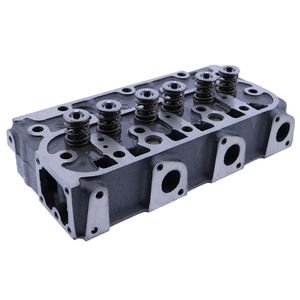
Matched Grades Shipped Together — Oversize verification against block history ensures piston, rings, and liner share the same dimensional class before dispatch.
Technical Specifications
| Parameter |
Value |
| Part Number |
3904166 |
| Product Type |
Cylinder Liner |
| Cross-Reference |
3904166, DS-3904166, DS-3904166OS, DS3904166OS, DS3904166 (reference only) |
| Machine Fitment |
4B3.9, 6B5.9, B3.3, B3.9-V110, B5.9 G, B5.9 GAS PLUS CM556, B5.9 LPG PLUS CM556, B5.9-C, B5.9-M330, G5.9, G5.9 CM558, ISB, ISB CM2150, ISB CM550, ISB CM850, ISB5.9G CM2180, ISB6.7 CM2250, ISB6.7 CM2350 B101, ISBE CM800, ISBE4 CM850, QSB3.9 30 CM550, QSB4.5 30 CM550, QSB4.5 CM850(CM2850), QSB5.9 30 CM550, QSB5.9 44 CM550, QSB5.9 CM550, QSB5.9 CM850, QSB5.9480H0, QSB5.9G, QSB6.7 CM2250, QSB6.7 CM850(CM2850) |
| Condition |
New Aftermarket |
| Material |
Forged nodular cast iron (ASTM A536 Grade 100-70-03) |
| Bore Roundness Tolerance |
±0.005 mm |
| Surface Finish |
Ra ≤ 0.8 μm |
| Hardness |
HB 220–260 |
| Outer Diameter Tolerance |
-0.015 mm / -0.030 mm |
| Heat Treatment |
Post-machining stress relief |
| Porosity Sealing |
Vacuum impregnation |
| Operating Pressure Rating |
Up to 120 bar |
| Internal Surface |
Plateau honed finish |
| Warranty |
3–12 months against manufacturing defects |
| MOQ |
1 piece |
| Standards |
ISO 9001, SAE J1397, ASTM A536 |
Application Suitability
| Engine System |
Related Components |
| Cylinder and piston assembly |
Piston, piston rings, connecting rod bearings |
| Engine block bore interface |
Block machining history, oversize grade verification |
| Cooling and lubrication circuit |
Coolant condition, oil film integrity at liner wall |
| Emission and combustion chamber |
Ring seating, blow-by control, compression retention |
Why Oversize Grade Mismatches Force a Second Teardown
Confirming the block bore history before ordering prevents a costly return to the bench.
In repair shops across Riyadh and Doha, I have watched engines come apart for a second time because the liner, piston, and rings arrived in different dimensional grades. A block bored to 0.25 oversize during a previous rebuild will not accept a standard-grade cylinder liner sleeve 3904166 — the interference fit fails and the liner shifts under load [NEED_CITE: engine block bore oversize grade standards for diesel rebuilds]. The cost of a second teardown in labor and lost machine availability far exceeds the price of getting the matched set right the first time.
Cylinder System Context for B-Series and QSB Engines
This Cylinder Liner belongs to a tightly matched assembly within Cummins B-series, ISB, and QSB engine families. The liner, piston, ring set, and connecting rod bearing all share a common oversize grade — STD, 0.25, or 0.50 — and any deviation among them disrupts clearance, ring seating, and oil control. A Cylinder Liner engine rebuild replacement must be ordered with full knowledge of what the block has already been machined to.
Matching Dimensional Grade to Rebuild History
Previous rebuilds change the required specification. An ISB6.7 CM2250 that ran standard liners from the factory may have been bored to 0.25 oversize at its first overhaul, meaning every subsequent Cylinder Liner engine rebuild replacement must arrive in that same oversize class. I always ask for the engine serial number and rebuild records before confirming an order, because the nameplate alone does not reveal what happened inside the block during earlier work [NEED_CITE: Cummins B-series engine serial variant internal specification differences].
Material and Surface Engineering for Combustion Loads
The forged nodular cast iron body, produced to ASTM A536 Grade 100-70-03, provides the tensile strength and thermal fatigue resistance needed in the high-heat zone around the combustion chamber. Bore roundness held to ±0.005 mm ensures even ring contact from the first revolution. The plateau honed internal surface, finished to Ra ≤ 0.8 μm, creates a crosshatch pattern that retains oil film while allowing rings to seat quickly during break-in. Vacuum impregnation seals micro-porosity in the casting, preventing coolant seepage through the liner wall over extended service. Post-machining stress relief reduces the risk of distortion once the liner is pressed into the block and subjected to thermal cycling.

The Hidden Cost of Ignoring Root-Cause Failure
Replacing the liner without diagnosing why the original failed leads to repeat damage. Coolant contamination from a leaking seal, inadequate cooling system maintenance, or ring scuffing caused by oil starvation can all destroy a new liner within weeks of installation [NEED_CITE: diesel cylinder liner failure root cause analysis methodology]. Every overhaul should include a system-level fault review so the new components operate in a corrected environment.
What Makes This Supply Reliable for Overhaul Planning
Matched-grade verification is built into the order process — piston, ring, and liner grades are confirmed against each other before dispatch. Both self-produced and qualified sourced lines carry the same warranty and quality control terms. The eight-category catalog allows an entire overhaul kit, including gaskets, seal kits, and bearing shells, to ship under one account. Technical support covers oversize grade and engine serial variant confirmation. A single-piece minimum order means emergency single-cylinder repairs do not require buying a full set. Quality inspection records covering bore roundness, surface finish, and hardness are available before shipment.
Documentation & Verification
- Commercial invoice listing each liner by oversize grade and engine serial application
- Cross-reference sheet mapping 3904166, DS-3904166, and DS-3904166OS variants (reference only)
- Dimensional inspection record covering bore roundness, surface finish Ra, and hardness HB
- Warranty terms specifying coverage period against manufacturing defects
- Packing photographs showing anti-rust oil coating and sealed individual carton condition
- HS code provided for customs clearance with correct cylinder liner classification
Installation & Rebuild Sequence
- Verify block bore diameter matches the liner outer diameter tolerance of -0.015 / -0.030 mm before pressing
- Clean all cylinder block bores thoroughly to remove old sealant residue and debris
- Check liner flange height after installation to confirm proper protrusion specification
- Match piston and ring set to the same oversize grade as the installed liner
- Follow manufacturer torque sequence for head bolts to prevent liner distortion
- Run initial break-in under monitored load to allow plateau honed surface to seat rings properly
Requesting a Matched-Set Quote
Provide the exact engine model, serial number, and any known rebuild history so the correct oversize grade can be confirmed. If the block has been machined previously, include the bore measurement or the oversize stamp from the last piston set. This allows us to verify dimensional compatibility across all cylinder components before the order ships.
Frequently Asked Questions
Q: What components should be replaced together with the cylinder liner during an overhaul?
A: The piston, piston rings, and connecting rod bearings should all be replaced as a matched set sharing the same oversize grade. Reusing old rings or pistons with a new liner leads to improper clearance and accelerated wear. Seal kits and gaskets for the cylinder head and block junction should also be included in the overhaul package.
Q: How do I determine the correct oversize grade for my engine block?
A: Measure the block bore diameter or check the stamping on the piston that was removed. A block that has never been machined accepts standard grade. If a previous rebuild bored the block to 0.25 or 0.50 oversize, the replacement liner must match that grade exactly.
Q: Do different engine serial numbers within the same model family use the same liner?
A: Not always. ISB6.7 CM2250 and CM2350 B101 variants may carry different internal specifications despite sharing a base engine family. Always confirm your exact engine serial number to verify liner specification before ordering.
Q: What system-level faults should I check before installing a new liner?
A: Inspect coolant condition for contamination, verify oil delivery to the cylinder walls, and check for signs of ring scuffing on the failed components. Addressing the root cause prevents the new liner from suffering the same failure within a short operating period.