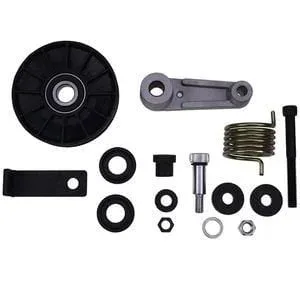
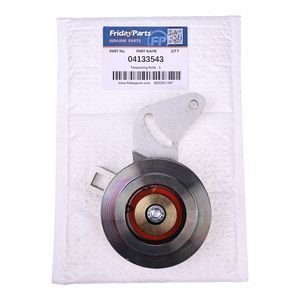
Matched Kit Dispatch — The arm, spring, and pivot bearing ship as one verified assembly with tolerances held to ±0.05 mm for Bobcat loader cooling system overhauls.
Technical Specifications
| Parameter |
Value |
| Part Number |
7302291 |
| Product Type |
Belt Tensioner |
| Cross-Reference |
7302291 (reference only) |
| Machine Fitment |
Bobcat Skid Steer Loaders: 653, 751, 753, 763, 773, 853, 863, 864, 873, 883, 963, S130, S150, S160, S175, S185, S205, S220, S250, S300; Bobcat Track Loaders: T140, T180, T190, T200, T250, T300; Bobcat All Wheel Loaders: A220, A300 |
| Part Name |
Cooling Fan Belt Tensioner Kit |
| Condition |
New Aftermarket |
| Material |
High-tensile carbon steel (AISI 1045) |
| Surface Treatment |
Zinc-nickel plating |
| Bearing Type |
Double-sealed ball bearings |
| Dimensional Tolerance |
±0.05 mm |
| Warranty |
6-month standard warranty against manufacturing defects |
| Standards |
ISO 9001, ISO 5211, SAE J1926 |
Application Suitability
| Engine System |
Related Components |
| Cooling System |
Water pump, radiator fan, coolant hoses |
| Belt Drive |
Serpentine belt, idler pulleys, crankshaft pulley |
| Accessory Drive |
Alternator, power steering pump |
| Engine Block Front |
Front crankshaft seal, timing cover gasket |
Why the Same Part Number Ships in Multiple Variants
A verified engine serial number prevents the wrong tensioner variant from reaching the workshop bench.
When a belt tensioner kit engine cooling system rebuild arrives and the arm geometry does not clear the adjacent alternator bracket, the machine stays down for another week while the correct variant ships. Engine builders know that Bobcat loader engines have seen running changes across production years, meaning the same base identifier can cover two or three arm lengths and pulley offsets [NEED_CITE: engine running change documentation for skid steer loaders]. The tensioner itself is often blamed for repeat belt squeal, but the root cause traces back to a variant mismatch that placed the pulley a few millimeters off the belt plane. Confirming the exact engine build before dispatch is the only reliable way to avoid this secondary teardown.

The Tensioner Inside the Cooling Circuit
The belt drive powers the cooling fan and water pump, so this tensioner sits at the center of engine thermal management. When spring force degrades, belt slip reduces fan speed and water pump flow simultaneously, pushing coolant temperature past the derate threshold. A belt tensioner kit engine cooling system rebuild addresses the tensioner arm, pivot bearing, and spring as a matched set, ensuring the entire drive maintains correct load on the belt ribs.
Sizing, Grade, and What the Previous Rebuild Left Behind
Engines that have been through a prior overhaul often have non-standard clearances around the front accessory drive. The pivot bore on the tensioner arm must match the mounting boss diameter within the stated ±0.05 mm tolerance, or the arm binds under spring load. Zinc-nickel plating on the AISI 1045 forged arm resists the coolant mist and salt exposure common around the front cover [NEED_CITE: corrosion resistance standards for engine bay zinc-nickel coatings]. When the previous rebuild used an oversized front cover bushing, the standard tensioner will not seat correctly, making engine serial and rebuild history essential to the order.
Dimensional Tolerance and Bearing Life in Practice
The double-sealed ball bearing in the pulley must spin freely while absorbing the cyclic load from belt harmonics. Dimensional tolerance at ±0.05 mm ensures the pulley face runs true against the belt, preventing the edge wear that mimics a misaligned crankshaft pulley. AISI 1045 carbon steel provides the yield strength to hold arm geometry under continuous spring pressure without creeping over thousands of heat cycles [NEED_CITE: fatigue properties of medium carbon steel in cyclic tension applications].
The Cost of Skipping the Root Cause
Replacing the tensioner without inspecting the belt path for contamination means coolant or hydraulic oil will degrade the new belt within weeks, and the fresh tensioner bearing absorbs the shock load from a slipping belt. Workshops that skip the system-level check end up ordering a second belt tensioner kit engine cooling system rebuild before the first invoice is paid. The failure was never the tensioner alone; it was the leak or misalignment that destroyed it [NEED_CITE: belt drive failure root cause analysis for mobile diesel engines].
Why Source This Kit Here
Our own production lines and qualified sourced supply carry identical quality control and warranty terms, so you get consistent inspection records whether the kit ships from our facility or a certified partner. Eight product categories mean the gasket set, front seal, and belt that belong on the same job list move under one account. We start from a single piece, so an emergency overnight repair does not require a shelf of spares. A photograph of the worn nameplate or old tensioner is enough for our technical team to confirm the correct variant. Sample supply lets you verify fitment on the bench before committing to fleet quantities.
Documentation & Verification
- Commercial invoice and packing list referencing 7302291 and engine serial
- Compatibility sheet mapping loader model to tensioner arm variant (reference only)
- Dimensional inspection record covering pivot bore and pulley runout
- Six-month warranty terms covering material and manufacturing defects
- Packing photographs showing kit contents before crate closure
- HS code and customs paperwork for international shipment
Installation & Rebuild Sequence
- Clean the front cover mounting boss before fitting the tensioner pivot to prevent binding
- Verify the new spring matches the arm load specification for the specific engine variant
- Torque the pivot bolt to the engine builder specification, then cycle the arm through full travel
- Route the belt per the diagram and check pulley alignment with a straightedge across three ribs
- Run the engine to operating temperature and recheck belt deflection after the first heat cycle
What We Need to Quote Your Rebuild
Send the engine serial number and loader model so we can confirm the exact tensioner variant and check the kit contents against your specific engine build. If the engine has been overhauled before, note any non-standard front cover work or oversize bushings. Photographs of the old tensioner and nameplate help when the data plate is worn or painted over.
Frequently Asked Questions
Q: What other engine components should be replaced together with the tensioner?
A: The belt, idler pulleys, and front crankshaft seal should be evaluated during the same service event. If coolant has reached the belt path, inspect the water pump seal and hose connections. Replacing these together prevents a second teardown for a failure that was already visible when the cover was open.
Q: Does the kit include all hardware needed for a complete belt drive service?
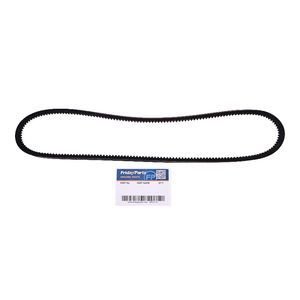
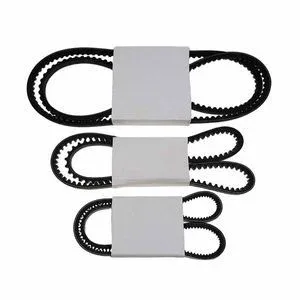
A: The kit contains the tensioner arm, spring, and pivot bearing as a matched assembly. Fasteners and the belt itself are separate line items. Confirm your engine build variant, as some serial ranges use different pivot bolt sizes. We can bundle the correct hardware on the same shipment.
Q: How do I confirm the correct tensioner variant for my Bobcat engine serial?
A: Provide the full engine serial number and loader model. We cross-reference against the production build record to confirm arm length and pulley offset. When the nameplate is unreadable, a photograph of the old tensioner beside a ruler lets us verify the variant visually.
Q: What caused the original tensioner to fail, and how do I prevent repeat failure?
A: Common root causes include belt contamination from coolant or oil leaks, pulley misalignment from a worn front cover bushing, and heat degradation from a failing water pump. Addressing the leak or misalignment before fitting the new kit prevents the replacement from absorbing the same destructive loads.
Q: Can the tensioner kit be bundled with overhaul gaskets and seals in one shipment?
A: Yes. We consolidate gasket sets, front seals, coolant hoses, and the belt into a single consignment under one commercial invoice. This avoids split freight charges and ensures all items for the cooling system job arrive together at the workshop.