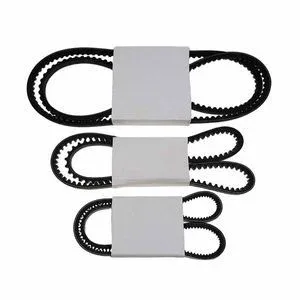
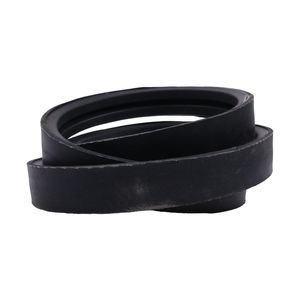
Matched Set Dispatch — Three belts verified against Thermo King SB series engine serial variants before packing, ensuring alternator, fan, and idler components arrive as a coordinated replacement group.
Technical Specifications
| Parameter |
Value |
| Product Type |
Belt |
| Part Number |
78-1341 78-603 78-629 |
| Cross-Reference |
78-1109, 781109, 781-109, 78-1341, 781341, 781-341, CP10703, 10703, CP 10703, 78-0603, 780603, 780-603, 78-603, 78603, 78-0695, 780695, 780-695, 78-695, 78695, 78596, TK-78-603, CP10704, 10704, 78-0629, 780629, 780-629, 78-629, 78629, CP10702, 10702 (reference only) |
| Machine Fitment |
Spectrum DE, Spectrum SB 30, SB 100, SB 110, SB 130, SB 190, SB 200, SB 210, SB 210+, SB 230, SB 230+, SB 300, SB 310, SB 310+, SB 330, SB 400, SB 30 Multi-Temp |
| Brand Compatibility |
Designed to replace components for Thermo King |
| Set Contents |
1 PC Alternator Belt, 1 PC Fan Belt, 1 PC Engine/Idler Belt |
| Construction |
Reinforced rubber compounding, high-tensile cord |
| Quality Standard |
ISO 9001 |
| Warranty |
3-12 months against manufacturing defects |
Application Suitability
| Engine System |
Related Components |
| Alternator Drive |
Charging system, voltage regulator, alternator pulley |
| Cooling Fan Drive |
Fan hub, radiator assembly, shroud hardware |
| Compressor/Idler Drive |
Idler pulley, tensioner assembly, compressor clutch |
Addressing Root Causes in Belt Drive System Failures
Replacing a single failed belt without addressing the remaining drive components invites premature re-failure of the entire system.
Technicians often focus on the broken component while ignoring the degradation of companion belts sharing the same thermal and mechanical environment [NEED_CITE: belt drive system failure analysis transport refrigeration]. A Belt Set for Thermo King SB series engine rebuild ensures that all tension points and wear surfaces are renewed simultaneously, eliminating the mismatched aging that leads to cascading failures. This approach is essential for maintaining cold chain integrity where unexpected downtime compromises cargo.

System-Level Reliability in Transport Refrigeration
The Thermo King SB series relies on a synchronized belt drive system to manage engine cooling and power generation. A Belt Set for Thermo King SB series engine rebuild provides the necessary alternator, fan, and engine/idler belts as a matched group. This prevents the scenario where a new belt imposes different tension characteristics on worn pulleys or aged companion belts. By treating the drive system as a single unit, repair centers can significantly reduce the risk of comebacks.
Thermal Stress and Material Integrity
Refrigeration units operate under constant thermal cycling and high ambient loads. The reinforced rubber compounding in this Belt Set for Thermo King SB series engine rebuild is specified to resist cracking and glazing under these conditions [NEED_CITE: elastomer degradation in high-temperature mobile applications]. High-tensile cords maintain length stability, preventing the slack that causes slippage and subsequent overheating. Proper tooth profiling ensures consistent engagement with pulleys, which is critical for maintaining the precise RPMs required for compressor efficiency.
Understanding Specification and Cross-Reference Variants
This set covers a broad range of Thermo King SB models, including the SB 200 through SB 400 series. The inclusion of multiple cross-reference numbers—such as 78-1109 for the alternator belt and 78-0603 for the fan belt—reflects the evolution of part numbers across different production years. It is vital to verify the specific engine serial number, as sub-models like the SB 210 and SB 210+ may have subtle differences in pulley spacing or belt length requirements. The ISO 9001 production standard ensures that dimensional tolerances are held within the narrow margins required for these high-speed auxiliary drives.
The Cost of Partial Replacements
Installing a single new belt alongside two degraded ones leads to uneven load distribution. The new belt, being tighter, will absorb the majority of the shock loads, causing it to fail much sooner than expected [NEED_CITE: mechanical load distribution in multi-belt drive systems]. This results in repeated teardowns, increased labor costs, and the potential loss of temperature-sensitive cargo. A matched replacement strategy avoids these hidden costs by ensuring all three belts share the load equally and wear at a consistent rate.
Sourcing Strategy for Rebuild Centers
We provide a unified account for all engine system components, from gaskets to tensioners. This Belt Set for Thermo King SB series engine rebuild is backed by the same warranty terms regardless of whether it is sourced from our production lines or qualified partners. Technical teams are available to verify cross-references against worn nameplates or unclear service manuals. We support single-piece orders for emergency repairs and provide sample units for fitment confirmation before larger fleet commitments are made.
Documentation & Verification
- Commercial invoice detailing all three belt part numbers and quantities.
- Cross-reference sheet mapping provided numbers to specific SB series variants (reference only).
- Quality inspection record confirming dimensional checks and material certifications.
- Warranty terms covering manufacturing defects for the entire matched set.
- Packing photographs showing the condition of belts before sealing.
- HS code and customs documentation support for international freight.
Installation & Rebuild Sequence
- Clean all pulley grooves and idler surfaces before installing the new belts to prevent debris-induced wear.
- Verify alternator and fan pulley alignment to ensure the belts track centrally without riding the edges.
- Apply manufacturer-specified tension values to each belt individually to avoid overloading the tensioner.
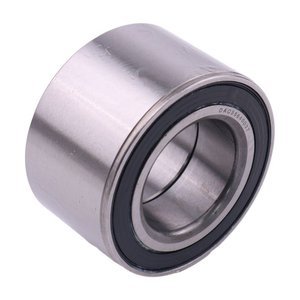
- Check the idler pulley bearing for play; replace if roughness is detected during rotation.
- Run the unit for a short cycle and re-check tension after the initial thermal expansion of the new rubber.
- Record the installation date and engine hours to establish a baseline for the next preventive service.
Fitment and Verification Inquiries
To ensure the correct Belt Set for Thermo King SB series engine rebuild is dispatched, please provide the specific engine model and serial number from the unit nameplate. If the original belt part numbers are legible, include them for cross-reference verification. Mention any previous overhaul history or non-standard pulley modifications to help our technical team confirm compatibility.
Frequently Asked Questions
Q: What specific belts are included in this set and what do they drive?
A: This set includes one alternator belt (ref 78-1109 series), one fan belt (ref 78-0603 series), and one engine/idler belt (ref 78-0629 series). These components drive the charging system, cooling fan, and compressor/idler assembly respectively, ensuring the entire accessory drive is renewed at once.
Q: How do I confirm which cross-reference number matches my unit?
A: Cross-reference numbers vary by production year and sub-model. Provide your Thermo King SB unit serial number or a photo of the existing belt markings. Our technical team will verify the correct variant against the master compatibility list to ensure fitment.
Q: Should I replace all three belts even if only one is broken?
A: Yes, it is strongly recommended. Belts in the same system age under identical thermal and mechanical stress. A matched Belt Set for Thermo King SB series engine rebuild prevents the new belt from overworking due to the drag or slip of aged companion belts.
Q: Are there different belt sizes for the SB 210 versus the SB 210+?
A: There can be variations in length and profile between sub-models and engine generations. Always verify the engine serial number. The "plus" designations often indicate updated components that may require specific belt profiles to engage correctly with revised pulley designs.
Q: What causes premature failure of these belts in refrigeration duty?
A: Common causes include misaligned pulleys, failing idler bearings, and incorrect tension. High ambient temperatures in transport applications also accelerate rubber degradation. Replacing the full set and inspecting the hardware addresses these systemic issues rather than just the symptom.