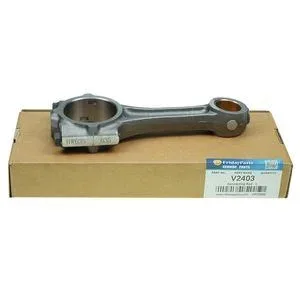
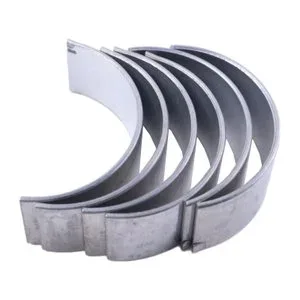
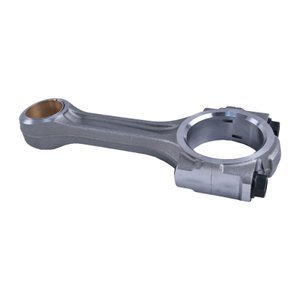
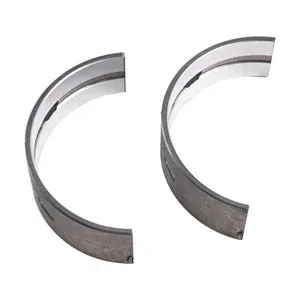
Matched Set Dispatch — Overhaul kits verified against engine serial variants to ensure connecting rod, piston, and bearing grades align before packing.
Technical Specifications
| Parameter |
Value |
| Part Number |
1G924-22014 |
| Product Type |
Connecting Rod |
| Cross-Reference |
1G924-22013, 1G924-22012, 1G924-22010 (reference only) |
| Machine Fitment |
Kubota R430, KX040-4, L5040GST, L5060GST, L5240HST, L5460HST, L5740HST, L6060HST, MX5100DT, MX5200DT, MX5400DT, MX5800H, MX6000H, M5140DT, M5640SU, M59, M62 |
| Material |
Forged 42CrMo alloy steel |
| Heat Treatment Hardness |
28–32 HRC |
| Bore Diameter Tolerance |
±0.005 mm |
| Surface Finish (Mating Faces) |
Ra ≤0.8 μm |
| Condition |
New Aftermarket |
| Warranty |
12 months against manufacturing defects |
| MOQ |
1 piece |
| Standards |
ISO 9001, ISO 6892-1 |
Application Suitability
| Engine System |
Related Components |
| Rotating Assembly |
Piston assembly, piston pin, small end bushing |
| Crankshaft Interface |
Con rod bearings (standard or undersize), crankshaft journal |
| Lubrication System |
Oil pump, main bearings, oil filter |
| Cylinder Block |
Cylinder liner, piston rings, gasket set |
Resolving the Grade Mismatch That Ruins Rebuilds
Confirming the correct connecting rod 1G924-22014 grade requires checking the crankshaft journal measurement against the engine serial number.
In my time handling warranty claims for Kubota V-series rebuilds, I saw the same story repeat: an overhaul kit arrives, the engine is torn down, but the connecting rod bearing grade does not match a crankshaft that was already reground during a previous repair. The mechanic forces standard bearings into a journal meant for undersize, the oil film collapses within operating hours, and the machine is back on the bench [NEED_CITE: engine bearing failure root cause analysis methodology]. When sourcing a replacement connecting rod 1G924-22014, the engine serial number and crankshaft condition must be verified together, not just the part number stamped on the old rod.

Matching the Rod to the Rotating Assembly
This connecting rod belongs to the lower rotating assembly of Kubota V2003, V2203, and V2403 diesel engines, where it links the piston to the crankshaft journal. During a Connecting Rod 1G924-22014 engine rebuild, this component must be evaluated alongside the piston pin, small end bushing, and con rod bearing as a matched system rather than as an isolated spare.
Accounting for Previous Regrinds and Serial Variants
An engine that has seen prior overhaul work may have a crankshaft ground to an undersize, meaning standard bearings will leave excessive clearance. When a workshop orders this connecting rod, we check whether the crankshaft journals are standard or have been reground, and whether the engine serial number indicates a variant that uses a different rod bolt pattern [NEED_CITE: Kubota V-series engine serial number variant identification]. Sending the wrong bearing grade with a correct rod still results in premature big-end failure.
Why Forged 42CrMo and Tight Bore Tolerance Matter
The 42CrMo alloy steel forging provides the tensile strength needed to handle combustion loads in high-horsepower field operations without fatigue cracking. The bore diameter tolerance of ±0.005 mm is critical because it maintains the oil film thickness between the rod bearing and the crankshaft journal — too loose and the film breaks down under load, too tight and the bearing seizes on startup. The mating face surface finish at Ra ≤0.8 μm ensures the rod and cap clamp together without micro-movement, which would otherwise cause galling and fretting at the split line. Heat treatment to 28–32 HRC keeps the rod body rigid while allowing the bolt threads to maintain proper preload without stress corrosion.
The Cost of Overlooking the Root Cause
If the original rod failed due to oil starvation or thermal overload, simply replacing the rod without addressing the underlying fault means the new connecting rod 1G924-22014 will follow the same path. A blocked oil passage, a failing oil pump, or chronic over-speed conditions will destroy any replacement component on the same timeline. I have processed claims where the same machine returned with a second rod failure within the warranty period, and the root cause was always upstream in the lubrication or cooling system [NEED_CITE: diesel engine lubrication system failure diagnosis].
How We Handle This Differently
Our own production lines and qualified sourced partners operate under the same warranty terms, so you get consistent quality regardless of which line the connecting rod ships from. Eight product categories under one account mean the piston, bearings, gasket set, and this rod go in one consignment — no split freight, no mismatched arrival dates. We accept orders from a single piece, which matters when one rod in a four-cylinder engine needs emergency replacement. Our technical team confirms compatibility by engine serial number and crankshaft condition, not just by part number lookup. Samples are available for fitment confirmation before you commit to a full rebuild kit quantity.
Documentation & Verification
- Commercial invoice listing rod part number and matched component cross-references
- Dimensional inspection record showing big-end bore and small-end bore measurements
- Hardness test certificate confirming 28–32 HRC range
- Part compatibility sheet noting engine serial range applicability (reference only)
- Packing photographs before crate closure
Installation & Rebuild Sequence
- Verify rod and cap matched pair markings before separating — never mix caps between rods
- Measure crankshaft journal diameter to confirm standard or undersize bearing requirement
- Check small end bushing bore and replace bushing if piston pin clearance exceeds spec
- Torque rod bolts to manufacturer specification using new hardware, never reuse stretched bolts
- Confirm bearing crush height and oil clearance with plastigauge before final assembly
- Prime lubrication system before first start to prevent dry-running the new bearings
Requesting the Right Configuration
Provide your engine model, serial number, and any known crankshaft regrind history. If the engine has been opened before, share the current bearing grade and whether the journals were machined. This lets us match the connecting rod 1G924-22014 with the correct bearing set and confirm the overhaul kit contents cover all related wear items for your specific build.
Frequently Asked Questions
Q: What other components should be replaced together with the connecting rod during an overhaul?
A: During a full V2003, V2203, or V2403 overhaul, the con rod bearings, piston rings, piston pin, small end bushing, main bearings, and full gasket set should all be evaluated as a matched system. Reusing worn bearings with a new connecting rod 1G924-22014 creates mismatched clearances that accelerate wear. We can supply the complete matched set under one part list.
Q: How do I confirm which rod variant fits my specific engine serial number?
A: Kubota V-series engines have serial number breakpoints where rod bolt patterns and bearing sizes changed. Send us your engine serial plate photo or number, and we cross-reference it against the variant database to confirm whether 1G924-22014 (interchange reference) is the correct revision for your build, or if a superseded number applies.
Q: Does the crankshaft need regrinding, and what bearing grade matches?
A: The crankshaft journal must be measured with a micrometer before ordering bearings. If the journal is within standard tolerance, standard bearings fit. If it was previously reground or shows wear beyond standard limits, an undersize bearing grade is required. We confirm the matching bearing grade once we have your journal measurements.
Q: What caused the original connecting rod to fail, and how do I prevent it from happening again?
A: Common root causes include oil starvation from blocked galleries, over-speed operation, or chronic thermal overload. Replacing the rod without addressing the lubrication or cooling fault leads to repeat failure. We recommend checking the oil pump output, verifying gallery cleanliness, and confirming the cooling system condition before reassembly.
Q: Are rod bolts included with the connecting rod, or ordered separately?
A: This depends on the configuration you select. Some kits include new rod bolts, while the bare connecting rod 1G924-22014 requires bolts ordered separately. Always use new bolts on reassembly, as torque-to-yield fasteners lose preload retention after one use. Confirm your kit contents with us before shipping to avoid missing hardware.