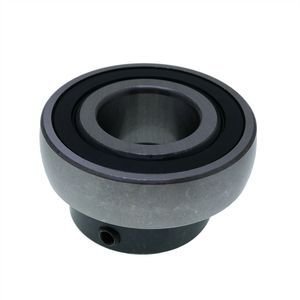
System-Matched Rebuild Fit — Every 04102866 seal is verified against engine serial variant and crankshaft regrind status before dispatch, preventing dimensional mismatch on DL2011L rebuilds.
Technical Specifications
| Parameter |
Value |
| Part Number |
04102866 |
| Product Type |
Crankshaft Seal |
| Cross-Reference |
04102866, 04175433, 02108831, 04128170 (reference only) |
| Machine Fitment |
DL2011L, DL2011, BFL2011, BFL1011, TCD 2.9, TCD 3.6, 1011, TCD 2.2 L3 (compatible with Deutz) |
| Material |
NBR rubber with spring-loaded steel case |
| Temperature Range |
Up to 120°C |
| Dimensional Tolerance |
±0.05 mm |
| Surface Finish (Sealing Lip) |
Ra ≤0.2 μm |
| Condition |
New Aftermarket |
| Warranty |
6-month standard warranty against manufacturing defects |
| MOQ |
1 piece |
| Standards |
ISO 9001, ISO 4064, DIN 3761 |
Application Suitability
| Engine System |
Related Components |
| Crankcase sealing |
Main bearings, gasket sets, rear seal housing |
| Full engine overhaul |
Piston assemblies, liner kits, conrod bearings |
| Crankshaft front/rear seal |
Timing cover gasket, flywheel housing gasket |
| Scheduled maintenance |
Oil filter, crankcase ventilation valve, breather |
Why a Crankshaft Seal Engine Rebuild Fails Before the Engine Does
The seal is never the root cause; it is the first component to reveal a system-level oversight.
A crankshaft seal reused after a block teardown—or sized wrong for a previous crankshaft regrind—will leak within weeks and force a second teardown. In Indonesia's mining sites, I have seen DL2011L engines returned to the workshop three times in one quarter because the overhaul kit included a standard-size seal while the crankshaft had already been ground undersize. The seal fit on the bench. It leaked at operating temperature. Every teardown after that costs more than the seal itself [NEED_CITE: crankshaft seal failure root cause analysis in diesel engine overhaul]. The crankshaft seal engine rebuild process demands that every adjacent surface and mating component be evaluated together, not ordered from separate checklists.

Where This Seal Sits in the Overhaul Sequence
The crankshaft seal engine rebuild belongs to the rotating assembly sealing system. It interfaces directly with the crankshaft journal surface at one end and the seal housing bore at the other. During a full overhaul, this seal must be replaced alongside the main bearings and block gaskets, because any variation in journal condition or housing tolerance affects sealing performance. Ordering it as an isolated line item without confirming the state of adjacent components is how mismatch arrives at the workshop bench.
Regrind History and Serial Variant Matching
Deutz-compatible DL2011 and BFL2011 engines have passed through multiple build revisions, and crankshaft journal dimensions can differ across serial ranges. If a crankshaft has been reground during a prior overhaul, the seal must match the reground diameter rather than the original factory specification. I have traced repeat oil leaks back to a standard-dimension seal installed on a shaft ground to the first undersize—a mismatch invisible until the engine reaches operating temperature and oil pressure [NEED_CITE: crankshaft regrind undersize seal compatibility standards]. Confirming engine serial number and rebuild history before ordering prevents this class of failure entirely.
Material and Tolerance Details That Matter at 120°C
The NBR rubber compound is selected for continuous exposure to diesel engine oil and combustion byproducts at temperatures up to 120°C. The spring-loaded steel case maintains uniform radial force on the shaft journal during RPM transients, compensating for minor shaft deflection that occurs under load. The sealing lip surface finish at Ra ≤0.2 μm minimizes abrasive scoring on the journal, which is critical during the break-in period after a rebuild when microscopic surface irregularities are still bedding in. The dimensional tolerance of ±0.05 mm ensures interference fit within the housing bore without requiring sealant compounds that can mask installation errors.
The Hidden Cost of a Mismatched Seal Grade
When a standard-size seal is pressed onto a reground crankshaft journal, the interference fit is insufficient. Oil migrates past the lip under pressure, contaminating the bell housing and eventually reaching the clutch or flywheel. The machine returns to the workshop with a symptom that looks like a rear main bearing problem. The actual root cause is a single component ordered without checking rebuild history. The second teardown costs the full labor charge again, plus replacement of any component the oil has now contaminated [NEED_CITE: diesel engine oil contamination effects on adjacent transmission components]. This is why every crankshaft seal engine rebuild must begin with a conversation about what has already been done to that crankshaft.
How Sourcing Here Reduces Rebuild Risk
Our selected production lines and qualified sourced supply operate under one account with identical warranty terms, so this crankshaft seal carries the same quality guarantee as the main bearings and gasket sets ordered alongside it. Eight product categories ship under a single consignment, meaning the complete overhaul list arrives together rather than in staggered deliveries. Part identification proceeds from number, machine model, photograph, or nameplate image, so even a worn seal housing can be matched to the correct variant. Cross-reference verification covers superseded numbers such as 04175433 and 02108831, catching substitutions that carry dimensional differences. The technical team confirms seal-to-journal compatibility against stated regrind history before dispatch.
Documentation & Verification
- Commercial invoice listing 04102866 cross-reference numbers for customs clearance
- Seal dimension and journal compatibility sheet marked reference only
- Dimensional inspection record for housing bore fit and lip finish
- Six-month warranty terms covering material and manufacturing defects
- Packing photographs showing seal orientation and protective wrapping
- HS code classification support for engine sealing component imports
Installation & Rebuild Sequence
- Clean seal housing bore to remove old gasket residue before pressing in the new 04102866 seal
- Verify crankshaft journal diameter matches seal specification, especially after any regrind operation
- Lubricate sealing lip with clean engine oil before installation to prevent dry-start scoring
- Confirm spring-loaded steel case seats flush without cocking in the housing bore
- Check adjacent main bearing clearance before closing the block, as seal fit is compromised by excessive shaft movement
- Run initial break-in at reduced load to allow NBR lip to bed against journal surface finish
Requesting the Right Seal for Your Overhaul
Provide the engine model, serial number, and any known crankshaft regrind history so we can confirm whether this 04102866 seal matches your specific build variant. If the engine nameplate is unreadable, a photograph of the old seal alongside a caliper measurement of the housing bore allows identification. For overhaul kit assembly, share the full component list so we verify that gasket dimensions and bearing grades align with the same engine revision.
Frequently Asked Questions
Q: What else should be replaced alongside the crankshaft seal during a full overhaul?
A: Main bearings, complete gasket sets, piston ring sets, and conrod bearings should be evaluated as a matched set. The crankshaft seal interfaces with journal surfaces that also contact bearings, so replacing the seal without addressing worn bearings leaves radial shaft movement that compromises the new seal within weeks of restart.
Q: Has my crankshaft been reground, and does that change the seal I need?
A: If a prior overhaul included crankshaft regrinding, the journal diameter may be at first or second undersize rather than standard. A standard-dimension seal will not hold adequate interference fit on an undersize journal, leading to early oil leakage. Provide rebuild records or measure the journal directly before ordering.
Q: Does the same DL2011 engine model use different seals across serial variants?
A: Yes. Build revisions across the DL2011L, BFL2011, and TCD series have introduced dimensional changes to seal housing bores and journal diameters. The cross-reference numbers 04102866 and 04175433 may not be interchangeable across all serial ranges. Confirm your engine serial number to receive the correct variant.
Q: What causes premature crankshaft seal failure beyond the seal itself?
A: Excessive crankshaft end-play from worn thrust bearings, contaminated oil accelerating lip degradation, and incorrect installation without lubrication during press-in all cause early failure. The seal is often the symptom, not the root cause. Addressing the underlying system condition prevents repeat failure after replacement.