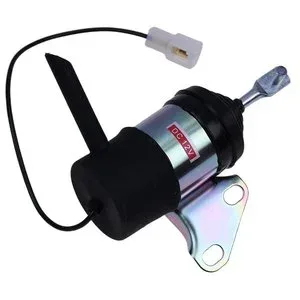
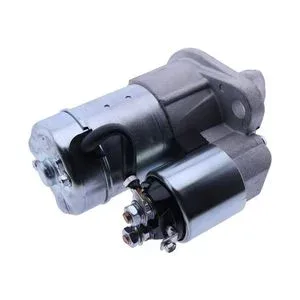
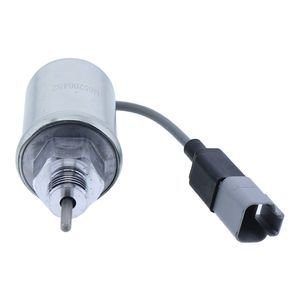
Matched Set Dispatch — glow plugs verified as a complete set against Kubota D-series and Z-series engine serial variants before shipment.
Technical Specifications
| Parameter |
Value |
| Product Type |
Glow Plug |
| Part Number |
16851-65510 |
| Cross-Reference (reference only) |
16851-65512, 16854-65510, 16854-65512, 1685165510, 1685165512, 1685465510, 1685465512 |
| Engine Fitment |
D640, D722, D782, D902, D905, D1005, D1105, D1305, D1505, Z402, Z482, Z602 |
| Heating Element Material |
Nickel-chromium alloy |
| Housing Treatment |
Corrosion-resistant plating |
| Condition |
New Aftermarket |
| Warranty |
3-12 months against manufacturing defects |
| Packaging |
3 pieces per package |
Application Suitability
| Engine System |
Related Components |
| Pre-combustion starting circuit |
Stop solenoids, starter motors, alternators |
| Cylinder head assembly during overhaul |
Head gaskets, valve seals, injector sleeves |
| Cold-weather auxiliary starting |
Thermostats, coolant temperature sensors |
| Electrical charging and cranking system |
Wiring harness connectors, relay switches |
Why the Starting Circuit Fails After a Fresh Rebuild
The glow plug is not an isolated component — it sits inside a pre-combustion starting circuit that must be matched as a system.
An engine rebuild delivers fresh pistons, bearings, and gaskets, yet the test bench start fails because one glow plug in the set has drifted out of resistance tolerance, or a stop solenoid from the previous service life sticks intermittently. I have watched a Kubota D905 come back with uneven cylinder combustion because only a single plug was replaced while the remaining units carried degraded heating elements from the last overhaul cycle. The result is a second teardown that no maintenance budget planned for [NEED_CITE: diesel engine cold-start system diagnostic procedures for rebuild verification]. Matching every Glow Plug 16851-65510 engine replacement for Kubota D-series rebuild across the full cylinder count, alongside verified stop solenoid operation and alternator output, prevents the most common post-rebuild callback.

System Context Within the Auxiliary Starting Circuit
This glow plug operates within the pre-combustion chamber starting circuit on Kubota D-series and Z-series diesel engines. It does not work alone — the starter motor must deliver adequate cranking speed, the stop solenoid must retract fully to allow fuel flow, and the alternator must sustain voltage to the glow plug relay throughout the heating cycle. Verifying all four elements as a matched group during rebuild planning ensures the Glow Plug 16851-65510 engine replacement for Kubota D-series rebuild performs as intended from the first test bench start.
Thread Seal Integrity and Cylinder Head Interface
The glow plug threads directly into the cylinder head, forming a compression seal that affects the engine's pressure test results after reassembly. A plug with out-of-tolerance thread machining allows combustion gas leakage past the seat, undermining the compression readings that confirm a successful rebuild. Nickel-chromium heating element construction maintains consistent resistance across cold-start cycles, which is critical when rebuilt engines face low-temperature morning starts on construction sites or seasonal farming operations [NEED_CITE: diesel glow plug resistance testing standards for engine overhaul].
Reading the Specification Sheet for Rebuild Decisions
Nickel-chromium alloy heating elements are specified here because they maintain a stable resistance-to-temperature curve across repeated cold-start cycles — essential for engines operating in environments where ambient temperature drops significantly between shifts. The corrosion-resistant housing plating protects the outer shell from coolant exposure and combustion byproduct acidity inside the pre-combustion chamber. Thread engagement length and seat diameter must match the cylinder head variant, since Kubota D-series heads have undergone dimensional revisions across production runs. Packaging in sets of three aligns with common three-cylinder configurations like the D905 and D1105, supporting matched-set replacement without leftover inventory from mixed batches.
The Cost of Skipping System-Level Verification
Replacing glow plugs without inspecting the stop solenoid and wiring harness connectors leads to hard-start symptoms that mimic plug failure — triggering a second round of diagnostics on an engine that should have left the shop. Mismatched resistance values across a plug set cause uneven cylinder combustion, which accelerates piston crown wear on the cylinders running lean during cold starts. I have seen rebuild shops chase electrical faults for hours before discovering that a single plug from a different cross-reference batch had been mixed into the set [NEED_CITE: uneven cylinder combustion effects on diesel piston wear patterns]. These are failures that surface weeks after the engine returns to service, not during the initial test run.
What This Supply Arrangement Covers
Our own production on selected lines and qualified sourced supply operate under one account and one warranty, so glow plugs ship alongside matched stop solenoids and starter components without split documentation. Eight product categories mean a complete overhaul job list — from gasket kits to electrical components — consolidates into one consignment. Part identification works from the removed plug's number, the machine model plate, or a photograph of the worn nameplate when paint has obscured the stamping. Cross-reference verification covers superseded numbers including 16851-65510 and 16854-65510 variants, confirming which applies to the specific engine build date. Technical support confirms resistance tolerance and thread specification before bulk commitment.
Documentation & Verification
- Commercial invoice listing glow plug set quantities matched to engine cylinder count
- Cross-reference sheet mapping 16851-65510 and superseded variants as interchange reference only
- Quality inspection record with per-unit electrical resistance test values
- Warranty terms covering manufacturing defects across the matched plug set
- Packing photographs showing plug sets protected against thread damage during transit
- HS code classification support for customs clearance on auxiliary engine components
Installation & Rebuild Sequence
- Verify each plug's resistance value against the engine manual specification before threading into the cylinder head.
- Apply anti-seize compound to threads only — avoid contact with the heating element tip to prevent pre-combustion chamber contamination.
- Torque to the cylinder head manufacturer's specification using a calibrated tool; overtightening distorts the housing seal.
- Test the complete starting circuit — glow plug relay, stop solenoid, starter motor — as a system before declaring the rebuild complete.
- Record first-start cranking time and exhaust smoke color as baseline data for future maintenance comparisons.
Before You Request a Quote
Provide the engine model designation (D905, D1105, D1505, or Z-series equivalent), the engine serial number, and any known rebuild history including previous oversize or variant changes. This allows confirmation of the correct glow plug thread specification and resistance range, along with identification of adjacent starting-system components that should ship in the same consignment.
Frequently Asked Questions
Q: What other starting-system components should I replace alongside the glow plugs during a rebuild?
A: The stop solenoid, glow plug relay, and starter motor should all be inspected or replaced during the same overhaul window. A worn stop solenoid can cause fuel delivery delays that mimic glow plug failure, and degraded relay contacts deliver inconsistent voltage to the plugs. Supplying these components together ensures the entire pre-combustion starting circuit is matched and verified before the engine leaves the rebuild bench.
Q: How do I confirm which cross-reference number applies to my specific engine serial?
A: Kubota D-series engines have internal revisions across production runs that affect glow plug thread pitch and voltage specifications. Provide the engine serial number and the number stamped on the removed plug — our cross-reference verification covers superseded variants including 16851-65510 and 16854-65510 to confirm which applies to your specific build date and cylinder head variant.
Q: Can glow plugs ship together with a full overhaul gasket kit and cylinder head parts?
A: Yes. Eight product categories under one account allow glow plug sets, overhaul gasket kits, valve seals, and cylinder head fasteners to consolidate into a single consignment. This eliminates split shipments and ensures all rebuild components arrive together, so the engine does not sit partially assembled waiting for a second delivery.
Q: What electrical resistance range should I expect when testing these glow plugs before installation?
A: Resistance values vary by engine variant and glow plug specification. We provide a quality inspection record showing the measured resistance for each unit in the set before dispatch. Confirm the target range against your engine service manual, and request the inspection record if you need to verify values before committing to a bulk order for fleet maintenance stock.
Q: Do different Kubota D-series engine variants require different glow plug specifications?
A: Yes. Engines such as the D1105 and D1505 share the same base engine family but may require different thread engagement lengths or voltage ratings depending on the production batch and cylinder head casting. Providing the engine serial number allows precise matching, preventing fitment issues that arise when a plug from a compatible but non-identical variant is installed during a rebuild.