Matched Set Dispatch — starter motor paired with verified alternator and wiring specs for complete Cummins auxiliary system rebuilds.
Technical Specifications
| Parameter |
Value |
| Part Number |
4996706 |
| Product Type |
Starter Motor |
| Cross-Reference (reference only) |
4280007090, 4280007091, 4280007092, 4380003110, 5128000980 |
| Machine Fitment |
4B3.9, 6B5.9, 6C8.3, B3.3, B4.5, B6.7, F3.8, G5.9, QSB4.5, QSB5.9, QSB6.7 families |
| Voltage |
12V |
| Pinion Teeth |
10T |
| Condition |
New Aftermarket |
| Quality Standard |
ISO 9001 |
| Warranty |
3-12 months against manufacturing defects |
Application Suitability
| Engine System |
Related Components |
| Engine Electrical Auxiliary |
Alternator, battery cables, flywheel ring gear |
| Cold Weather Cranking Circuit |
Heavy-duty battery, block heater, glow plugs |
| Engine Overhaul Refresh |
Complete gasket set, main and rod bearings, piston rings |
| Scheduled Maintenance |
Drive belts, tensioners, engine filters |
System-Level Failure: Why the Starter Motor Is Not Always the Culprit
An engine rebuild kit shipped without verifying the starter's tooth count and voltage against the specific engine build can mean a no-start on the test bench and another teardown to trace the fault.
In mining operations across Southeast Asia, repeated starter motor failure is frequently misdiagnosed as a component quality issue when the root cause lies elsewhere in the electrical auxiliary system. Worn flywheel ring gear teeth prevent proper 10T pinion engagement, causing the starter motor to spin freely without cranking the engine. Degraded battery cables introduce voltage drop that starves the starter of necessary current during high-load cranking cycles. [NEED_CITE: electrical system voltage drop diagnostics for heavy-duty diesel engines] A starter motor replaced without addressing these system-level faults will fail again within months, compounding downtime and eroding trust in the replacement component.

Engine Serial Variants Across Cummins B-Series and QSB Families
The Cummins B-series and QSB-series engines span multiple displacements and emissions configurations, each potentially requiring different auxiliary component specifications. The 4996706 starter motor is compatible with 4B3.9, 6B5.9, 6C8.3, QSB4.5, QSB5.9, and QSB6.7 variants, but fitment depends on confirming the exact engine serial number and CM/EC designation. Engine builders who assume all QSB6.7 variants accept the same starter motor reference risk receiving a unit with incorrect mounting flange orientation or bell housing depth, preventing installation without modification.
Electrical Auxiliary System Integration and Matched Inspection
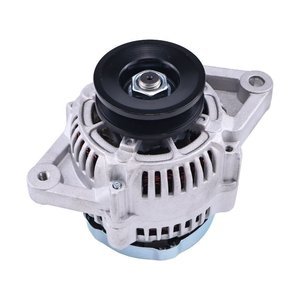
This starter motor operates within the engine electrical auxiliary system, interacting directly with the battery, flywheel ring gear, alternator, and wiring harness. During a complete engine overhaul, replacing the starter motor without inspecting the alternator output and wiring condition misses an opportunity to prevent future failures. Matched inspection verifies 12V system compatibility, confirms 10T gear mesh with the ring gear, and identifies corrosion or loose connections that could cause intermittent starting issues. [NEED_CITE: matched component replacement protocols for diesel engine electrical systems] Addressing the entire auxiliary circuit during rebuild sequencing reduces the likelihood of warranty claims traced to system-level faults rather than the starter motor itself.
Voltage, Tooth Count, and Cranking Torque Explained
The 12V specification indicates this starter motor is designed for standard electrical systems in Cummins-powered construction and mining equipment, delivering sufficient cranking torque for engines up to the QSB6.7 displacement range. The 10T pinion gear must match the tooth pitch and diameter of the flywheel ring gear; incorrect tooth count prevents engagement and can damage both components during attempted starts. New aftermarket condition means the unit arrives with unworn brushes, bearings, and solenoid contacts, eliminating the variable wear that complicates diagnosis in remanufactured units. [NEED_CITE: starter motor pinion gear engagement specifications for diesel applications] These parameters collectively determine whether the engine will crank reliably in cold weather, high humidity, or dusty conditions common at job sites.
The Hidden Cost of Skipping Root-Cause Analysis
Replacing a failed starter motor without diagnosing why it failed leads to predictable repeat failures within the same overhaul cycle. A unit that burned out due to voltage drop from corroded battery terminals will experience the same thermal stress after replacement if the wiring remains unaddressed. Engine rebuild shops that skip flywheel ring gear inspection during starter motor replacement often see warranty returns traced to damaged teeth preventing proper pinion engagement. [NEED_CITE: diesel engine electrical fault diagnosis and root cause analysis procedures] These repeat failures consume labor hours, delay equipment return to service, and damage relationships between rebuilders and equipment owners who expect durable solutions from a comprehensive overhaul.
Why Source Engine System Components Through This Channel
Own production on selected engine auxiliary lines plus qualified sourced supply under one account and one warranty simplifies procurement for complete overhaul jobs. Eight product categories enable consolidated dispatch, meaning the starter motor ships alongside gasket sets, bearings, and filters in a single consignment rather than arriving on separate schedules. Minimum order from one piece accommodates emergency single-unit replacements without forcing unnecessary inventory purchases. Guangzhou warehouse stock on common Cummins-compatible components reduces lead times for urgent rebuild projects. Part identification accepts engine model, serial number, photograph, or nameplate image, eliminating guesswork when equipment documentation is unavailable. Technical team availability ensures compatibility and grade confirmation before commitment, reducing the risk of fitment errors during installation.
Documentation & Verification
- Commercial invoice and packing list itemizing starter motor quantity and part number
- Cross-reference compatibility sheet listing verified interchange numbers for Cummins applications
- Quality inspection record covering start-cycle testing and dimensional verification
- Warranty terms document specifying coverage period and manufacturing defect conditions
- Packing photographs showing starter motor condition before dispatch
- HS code and customs documentation support for international shipment clearance
Installation & Rebuild Sequence
- Verify 10T pinion gear tooth count matches flywheel ring gear before final assembly
- Clean mounting flange surface and inspect bolt holes for thread damage
- Torque starter motor mounting bolts to Cummins specification during installation
- Test battery voltage and cable condition before connecting starter motor terminals
- Perform initial cranking test with engine disconnected from load to verify engagement
Inquiry Guidance for Engine System Components
Provide the Cummins engine model, serial number, and any previous rebuild history to confirm this starter motor fits your specific variant. Share photographs of the existing unit's nameplate, mounting flange, and electrical connections if the serial number is worn or illegible. Request a system-level compatibility review if you are replacing multiple auxiliary components during an overhaul to ensure matched specifications across the electrical circuit. Specify your application environment—mining, construction, agricultural—to receive guidance on protective measures for high-dust or high-humidity conditions.
Frequently Asked Questions
Q: How do I confirm this starter fits my specific Cummins engine serial variant?
A: Provide the complete engine model and serial number so we can cross-reference against the verified fitment list. The 4996706 covers multiple B-series and QSB variants, but mounting flange configuration and bell housing depth can differ between engine builds. We verify compatibility before confirming order acceptance to prevent installation failures.
Q: Should I replace the alternator and wiring when replacing the starter during an overhaul?
A: Matched inspection of the alternator output and wiring condition is recommended during starter motor replacement. Degraded cables or a failing alternator can cause voltage drop that stresses the new starter, leading to premature failure. Addressing the entire electrical auxiliary system during rebuild sequencing reduces warranty claims and repeat downtime.
Q: What causes repeated starter motor failure beyond the starter itself?
A: Worn flywheel ring gear teeth, corroded battery terminals, undersized cables, and voltage drop across connections all cause repeat failures. Diagnosing these system-level faults before installing a new starter motor prevents predictable warranty returns and ensures the replacement unit operates within its designed electrical parameters.
Q: Are all QSB6.7 variants compatible with the same starter reference number?
A: No, QSB6.7 engines span multiple emissions configurations and CM/EC designations that may require different auxiliary components. Confirming your specific engine serial number against the cross-reference list ensures the starter motor's mounting pattern and electrical specifications match your engine build variant.