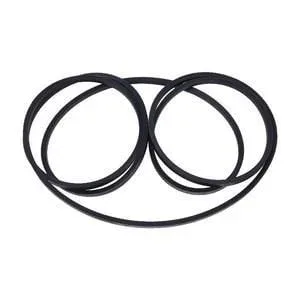
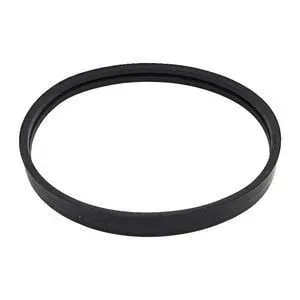
Matched Deck Drive Kits — Every 130-0843 belt ships with verified tensioner and idler pulley cross-references so the entire deck drive system is addressed in one order.
Technical Specifications
| Parameter |
Value |
| Part Number |
130-0843 |
| Product Type |
Belt |
| Cross-Reference (reference only) |
130-0843, 1300843, 130-0843-SL, 1300843SL, 130-0843P, 1300843P |
| Machine Fitment |
Toro TimeCutter 74740 (SS 5425), 74741 (SS 5425), 74768 (MX 5075), 74778 (MX 5075), 74793 (SW 5425), 75754 (MX 5475), 75756, 75757 (5475 C); Exmark QTE708GEM54100, QZS708GEM54200, QZS735GKC54200 |
| Deck Size |
54" |
| Part Name |
54" Deck V-Belt |
| Condition |
New Aftermarket |
| Warranty |
3-12 months against manufacturing defects |
| MOQ |
1 piece |
| Manufacturing Standard |
ISO 9001 certified partner facility |
Application Suitability
| Engine System |
Related Components |
| Deck drive power transmission |
Idler pulleys, belt tensioner assembly, spindle bearings |
| Engine-to-deck output path |
Drive sheave, mandrel assemblies, belt guard hardware |
| Zero-turn mower deck system |
Deck engagement clutch, PTO shaft coupling, deck belt guides |
| Commercial mowing fleet maintenance |
Matched belt-and-tensioner service kits, spindle rebuild components |
Why a New Belt Fails Before the Season Ends
The belt is the symptom, not the disease. A replacement 54" Deck V-Belt engine drive belt replacement that snaps within weeks almost always points to a worn tensioner, a seized idler pulley bearing, or a misaligned spindle sheave that was never inspected during the swap.
On dusty, high-temperature job sites across the Middle East, I have pulled off freshly installed belts that were already glazed and cracked along the cord line. The tensioner arm was flopping loose, the idler bearing had disintegrated, and the new belt was absorbing all the shock load the worn components should have been managing [NEED_CITE: belt drive system failure root cause analysis in commercial mowing equipment]. Replacing the belt alone without tracing the system-level fault is how repair shops end up with the same machine back on the bench before the next service interval.

The Deck Drive System as a Load Path
This 54" deck V-belt sits at the critical junction between engine output and cutting deck load. Every blade strike, every patch of thick wet grass, sends a shock pulse back through the belt to the tensioner and idler pulleys. When those adjacent components are worn, the belt absorbs forces it was never designed to handle alone. Treating the 130-0843 as an isolated wear item rather than part of a matched drive system is the most common reason commercial mowing fleets see repeat failures on the same unit.
Sizing, Construction, and Heat Tolerance
The high-tensile cord construction and heat-resistant rubber compound specified for this belt matter because deck drive systems in zero-turn mowers operate under continuous variable load. Unlike a simple fan drive, the deck belt engages and disengages repeatedly throughout a mowing shift, generating internal heat at the cord-rubber interface [NEED_CITE: V-belt heat buildup under cyclic engagement in grounds maintenance equipment]. A compound that cannot shed that heat will harden and crack from the inside out, long before the outer surface shows visible wear.
Specifying Beyond the Part Number Alone
The 54-inch deck size determines belt length and sheave contact arc, but it does not confirm whether the tensioner geometry on your specific Toro TimeCutter or Exmark Quest variant matches. Model 74740 and 75754 share a deck width but differ in engine configuration and drive sheave placement. Cross-reference designations including 1300843 and 130-0843-SL must be verified against your specific machine serial range before committing to a bulk order, because a belt that is dimensionally close but not precisely matched will ride high in the sheave groove and wear prematurely.
The Cost of Ignoring the Root Cause
A crew that swaps only the belt and sends the mower back to work is betting that nothing else in the drive system contributed to the failure. When that bet loses — and on commercial sites it loses often — the cost is not just a second belt. It is the machine pulled off-route mid-contract, the crew standing idle, and the reputation hit when a client's property is left half-cut [NEED_CITE: unplanned downtime impact on commercial landscaping contract fulfillment]. Tracing the failure back through the tensioner, idler, and spindle bearings takes additional minutes on the bench but prevents the far more expensive second visit.
What This Supply Channel Covers
Our selected production lines and qualified sourced supply carry identical QC and warranty terms, so whether the belt is manufactured in-house or through a certified partner, the inspection standard is the same. Eight product categories under one account means the belt, tensioner, idler pulley, and spindle bearing kit ship in a single consignment rather than arriving on different trucks from different vendors. One-piece minimum order means a single emergency replacement ships without waiting to hit a quantity threshold. Guangzhou warehouse stock on fast-moving deck drive items supports rapid dispatch when a machine is already down. Part identification from a machine model, a worn nameplate photograph, or an unreadable belt stamping removes the guesswork that leads to wrong parts on the bench. Cross-reference verification covers superseded and alternate designations including 130-0843P and 1300843SL so the correct variant is confirmed before anything ships.
Documentation & Verification
- Commercial invoice listing each belt variant and cross-reference designation separately
- Part compatibility sheet confirming fitment against specific Toro or Exmark serial range
- Quality inspection record covering dimensional checks on belt length and cross-section profile
- Warranty terms document specifying coverage period and manufacturing defect conditions
- Packing photographs showing belt coiling method and protective packaging before dispatch
- HS code and customs documentation support for cross-border aftermarket parts shipment
Installation & Rebuild Sequence
- Inspect all idler pulley bearings for free rotation and absence of radial play before belt installation
- Verify tensioner arm spring pressure and pivot bushing condition against service manual specification
- Check drive and spindle sheave grooves for wear steps that will prevent proper belt seating
- Route the 54" deck V-belt following the manufacturer diagram to avoid twist or misalignment on pulleys
- Run the deck engagement through several cycles at idle before applying full cutting load
- Re-check belt tension and tracking after the first hour of operation under mowing conditions
Preparing Your Inquiry
Provide the engine model, deck serial number, and any previous rebuild history so we can confirm whether the standard belt or a variant designation applies to your machine. If the original belt stamping is worn or painted over, a clear photograph of the nameplate and deck data plate allows our technical team to verify the correct cross-reference. For fleet orders, share the full model mix so matched tensioner and pulley kits can be quoted alongside the belts.
Frequently Asked Questions
Q: What other drive system parts should I inspect or replace when changing this belt?
A: Check the idler pulley bearings for smooth rotation, the tensioner arm spring and pivot bushing for wear, and the spindle sheave grooves for step wear. On high-hour commercial mowers, replacing the tensioner assembly alongside the belt prevents the new belt from absorbing shock loads that the worn tensioner should be managing.
Q: Why does my new belt keep failing within weeks of installation?
A: Repeat belt failure almost always indicates a system-level fault rather than a defective belt. Seized idler bearings, a weak tensioner spring, or misaligned spindle sheaves force the belt to carry loads it was not designed for. Trace the failure through the entire deck drive path before concluding the belt is the problem.
Q: Do the 130-0843, 130-0843-SL, and 130-0843P references all fit the same machines?
A: These cross-reference designations (reference only) may cover the same physical belt or may indicate variant differences in compound or construction across production runs. Confirm your specific Toro TimeCutter or Exmark model and serial range with our technical team before ordering to ensure the correct variant is supplied.
Q: Can I get a sample to verify fitment before committing to a bulk order?
A: Sample supply is available for fitment confirmation on your specific machine before you commit to fleet quantities. Provide the machine model and deck serial number so we can prepare the correct variant. This is especially useful when older machines have had previous belt substitutions or non-standard tensioner modifications.