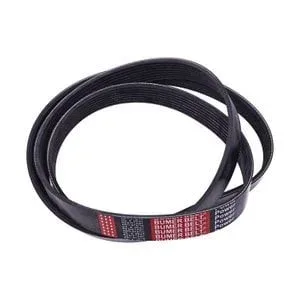
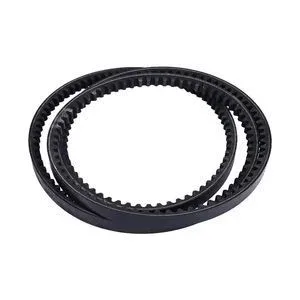
Matched Set Dispatch — Narrow V-Belt dimensions verified against specific Deutz 1011/2011 engine serial variants before shipment
Technical Specifications
| Parameter |
Value |
| Part Number |
0117-9565 |
| Product Type |
Narrow V-Belt |
| Cross-Reference |
0117-9565, 01179565, 02235179, 2324000890 (reference only) |
| Machine Fitment |
BF4M2011, D2011L03, F2L1011F, F3L1011F, F3L2011, F3M2011, F4L2011 |
| Dimensions |
10×1125 mm |
| Belt Compound |
EPDM rubber with reinforced polyester cord tension members |
| Temperature Range |
Continuous operation up to 120°C |
| Condition |
New Aftermarket |
| Warranty |
3–12 months against manufacturing defects |
| MOQ |
1 piece |
| Standards |
ISO 9001, ISO 4184, DIN 2215 |
Application Suitability
| Engine System |
Related Components |
| Auxiliary belt drive (alternator, water pump) |
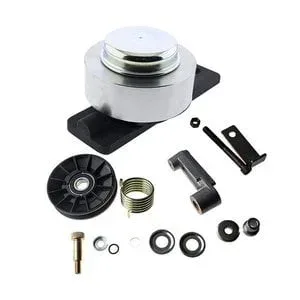
Tensioner assembly, idler pulley, drive pulleys |
| Cooling system belt loop |
Water pump pulley, thermostat housing gasket |
| Charging system belt loop |
Alternator mounting bracket, adjuster bolt |
| Air compressor drive (if equipped) |
Compressor clutch pulley, spacer shims |
Why the Same Narrow V-Belt Number Ships in Different Effective Lengths
Confirm the engine serial prefix before ordering any belt drive component for Deutz 1011 and 2011 families.
A narrow v-belt for Deutz 1011 2011 engine rebuild that fits an F3L1011F produced in one year may not seat correctly on an F3L1011F built eighteen months later. Deutz revised auxiliary drive layouts across production runs, altering pulley center distances and tensioner geometry without changing the base engine designation. Rebuild shops that order by model alone regularly receive belts that are technically the right part number but functionally wrong for the specific engine on the bench. [NEED_CITE: Deutz engine serial variant identification practices for aftermarket belt drive supply]
I have seen a correctly numbered belt sit too loose on a BF4M2011 because the tensioner arm had been relocated on that serial range, leaving the belt riding high in the groove and slipping within hours of startup. The cost is never just the belt — it is the second teardown, the second drain and refill, and the machine owner asking why the rebuild did not hold.

The Belt Does Not Fail Alone — It Reveals the System
Every narrow v-belt for Deutz 1011 2011 engine rebuild that snaps early or sheds ribs points to something upstream. A worn tensioner bearing lets the belt flutter at operating RPM, generating heat that cracks EPDM compounds from the inside out. A pulley with worn grooves allows the belt to bottom out rather than grip on the sidewalls, which accelerates cord fatigue. Supplying the belt without the adjacent tensioner and pulley inspection checklist means the root cause stays in the engine bay waiting to destroy the next belt. Rebuild shops that treat belt drive as a system — matching new belts to verified tensioner travel and pulley groove depth — see noticeably fewer comebacks.
Engine Serial Variants That Change the Belt Drive Layout
Within the F2L1011F, F3L1011F, and BF4M2011 families, Deutz introduced running changes to the auxiliary drive bracket and pulley spacing. These changes shift the effective belt path length enough that a 10×1125 mm belt may be correct for one serial range and slightly short for another. The cross-reference numbers 0117-9565 and 02235179 cover overlapping but not identical application windows. Before committing to a bulk order, we verify the engine serial prefix against Deutz service documentation and confirm the belt pitch length against the actual pulley center distance on that build variant. [NEED_CITE: Deutz 1011 and 2011 series auxiliary drive running change documentation]
What the 10×1125 mm Dimension and EPDM Compound Mean in Service
The 10 mm top width and 1125 mm pitch length place this belt in the narrow wedge profile defined by DIN 2215, designed to seat deeper in the pulley groove than a classical V-belt and transmit higher loads across a smaller contact area. The EPDM rubber compound resists heat cracking up to 120°C continuous, which matters in Deutz applications where the belt wraps close to the exhaust manifold and operates in engine bays with limited airflow. Polyester cord tension members carry the tensile load without stretching under the cyclic shock of compressor clutch engagement. When the compound, cord, and groove profile all match, the belt transfers power through sidewall friction rather than bottoming contact, which is how narrow V-belts achieve their rated service life.
The Hidden Cost of Skipping the Tensioner and Pulley Check
Replacing only the belt on a Deutz 1011 or 2011 engine without measuring tensioner arm travel or checking pulley groove wear almost always leads to a second visit. A tensioner that has lost spring force allows belt slap during load transitions, which fractures the polyester cords internally while the belt surface still looks acceptable. Grooves worn beyond tolerance let the belt ride too deep, pinching the ribs and generating localized heat that degrades the EPDM compound prematurely. The machine goes back to work, runs for a few weeks, and then the belt fails again — this time with the customer questioning the entire rebuild. [NEED_CITE: belt drive system root cause analysis for premature V-belt failure in diesel engines]
Why Rebuild Shops Source This Belt Drive Set Here
Production and sourcing operate under one account with the same QC terms, so a belt ordered alongside gaskets and bearing sets ships with consistent documentation. The eight-category catalog means tensioners, pulleys, seal kits, and overhaul gaskets all consolidate into one shipment against one commercial invoice. Orders start at one piece, so a shop verifying fitment on a single Deutz BF4M2011 before committing to fleet quantities can order a sample without negotiating a minimum. Part identification works from the engine serial plate image when the belt number on the old part is unreadable. Cross-reference verification covers superseded numbers like 02235179 and alternate references like 2324000890 to prevent wrong-variant dispatch. A technical team confirms compatibility and belt grade before bulk orders go to the warehouse.
Documentation & Verification
- Commercial invoice listing belt dimensions, compound type, and quantity per line item
- Cross-reference sheet mapping 0117-9565, 01179565, 02235179, and 2324000890 to confirmed engine serial ranges (reference only)
- Dimensional inspection record verifying 10×1125 mm pitch length and rib profile before dispatch
- Warranty terms covering manufacturing defects for 3–12 months depending on order terms
- Packing photographs showing protective inner sleeve and corrugated box condition
- HS code and customs classification support for international belt drive shipments
Installation & Rebuild Sequence
- Inspect tensioner arm travel and spring force before routing the new 10×1125 mm belt onto Deutz pulleys
- Check all pulley grooves for wear using a groove gauge — worn grooves destroy new EPDM belts within weeks
- Route the belt following the Deutz auxiliary drive diagram specific to the engine serial variant
- Apply correct tension per Deutz specification and rotate the engine two full revolutions by hand to seat ribs
- Run the engine at idle for a break-in period and recheck tension before returning to load
Request a System-Matched Quote
Provide the Deutz engine model, serial number prefix, and any known rebuild history so the correct belt variant and matched tensioner components can be confirmed. If the old belt number is illegible, a photograph of the engine nameplate and the auxiliary drive layout is sufficient for identification. Rebuild shops preparing overhaul packages for multiple Deutz 1011 or 2011 engines can submit the full engine list for consolidated system-level pricing.
Frequently Asked Questions
Q: What other belt drive components should be replaced alongside this narrow V-belt during a Deutz 1011 rebuild?
A: The tensioner assembly and idler pulley should be inspected and typically replaced at the same time. Worn pulley grooves and weak tensioner springs are the primary causes of premature belt failure. Supplying the belt together with tensioner and pulley components as a matched set prevents a second teardown caused by an adjacent part that was already near end of life.
Q: Do different Deutz 1011 and 2011 engine serial ranges require different belt lengths or profiles?
A: Yes. Deutz introduced running changes to auxiliary drive brackets and pulley spacing across the F2L1011F, F3L1011F, and BF4M2011 families. These changes alter the effective belt path length. We verify the engine serial prefix against service documentation to confirm that the 10×1125 mm dimension is correct for the specific build on your bench.
Q: How do I confirm which cross-reference number applies to my engine build?
A: Submit the engine model, serial number, and ideally a photograph of the old belt or nameplate. We cross-check 0117-9565, 02235179, and alternate references against the serial range to identify which part number variant matches your specific auxiliary drive layout and pulley configuration.
Q: Can this belt be supplied together with the full overhaul gasket and bearing kit?
A: Yes. Belt drive components consolidate into the same shipment as gasket sets, main and rod bearings, piston rings, and seal kits under one account with unified warranty terms. This eliminates split deliveries and ensures the rebuild shop has every component needed before the engine goes on the stand.
Q: What system-level fault causes repeated belt failure even after replacement?
A: Misaligned pulleys, worn tensioner bearings, and grooves worn beyond tolerance all cause repeat failures that look like belt defects but are actually system faults. A belt that fails within weeks of installation almost always points to an adjacent component that was not addressed during the rebuild, not a problem with the belt itself.