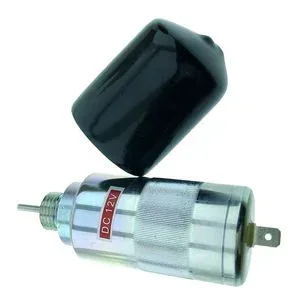
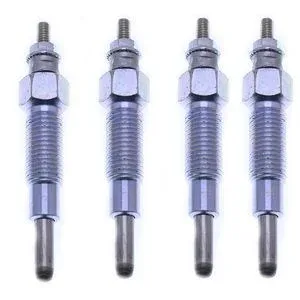
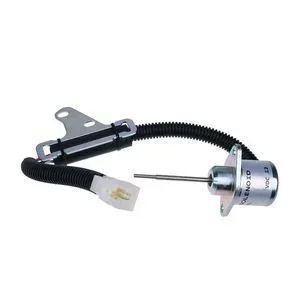
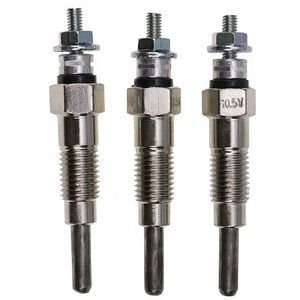
Engine Sequence Variants Confirmed — Coil resistance and connector type validated against Shibaura ISM N844 serial ranges before dispatch.
Technical Specifications
| Parameter |
Value |
| Part Number |
SBA185206083 |
| Product Type |
Stop Solenoid |
| Cross-Reference |
185206080, 185206085, 87761614, 281552A1 (reference only) |
| Machine Fitment |
New Holland TC18, TC21, TC21D, TC21DA, TC23DA, TC24D, TC24DA, TC25, TC25D, TC26DA, TC29, TC29D, TC29DA, TC30, TC31DA, TC33, TC33D, TC33DA, TC34DA, TC35, TC35A, TC35D, TC35DA, TC40, TC40A, TC40D, TC40DA, TC45, TC45A, TC45D, TC45DA, TC48DA, TC55DA, TT45A, TT50A, TZ18DA, TZ22DA, TZ24DA, TZ25DA, Workmaster 45, Workmaster 55, Boomer Series, T-Series, MC Series |
| Voltage |
12V DC |
| Coil Resistance |
12.2–12.8 Ω at 20°C |
| Wire Class |
Class H (180°C) |
| Sealing Rating |
IP67 |
| Surface Treatment |
Zinc-nickel plating (15 μm) |
| Operating Temperature |
–25°C to +105°C |
| Condition |
New Aftermarket |
| Warranty |
3–12 months against manufacturing defects |
| MOQ |
1 piece |
Application Suitability
| Engine System |
Related Components |
| Fuel Shutoff Circuit |
Engine stop relay, ignition switch, wiring harness connectors |
| Injection Pump Interface |
Shutoff lever linkage, pump mounting gasket, fuel lines |
| Electrical Distribution |
Fuses, main relay block, battery terminal connections |
| Engine Auxiliary Cooling |
Adjacent sensors and wiring vulnerable to heat soak near solenoid mount |
Diagnosing Repeat Failures in the Shutoff Circuit
The solenoid is usually the victim of a wiring fault, not the origin of one.
Field reports from high-altitude mining sites and agricultural regions consistently show stop solenoid replacements failing within the first few hundred hours because the root electrical cause was never isolated. A shorted relay or chafed harness wire forces excess current through the coil until thermal breakdown occurs. Replacing the Stop Solenoid SBA185206083 without checking the full shutdown circuit turns a simple electrical repair into a recurring warranty claim [NEED_CITE: diesel engine electrical fault isolation procedures for auxiliary components].
System-Level Diagnostics for Fuel Cutoff Circuits
This stop solenoid belongs to the engine auxiliary system and directly controls the fuel injection pump shutoff lever during ignition-off cycles. It is electrically linked to the stop relay, ignition switch, and main harness connector. When one of these upstream components develops resistance or intermittent contact, the solenoid coil absorbs the excess thermal load and eventually burns out. Correct diagnosis requires measuring voltage drop across the relay contacts and checking the harness for continuity before concluding the solenoid is the failed part.
Engine Serial Variants and Cross-Reference Matching
Multiple OEM reference numbers (185206080, 185206085, 87761614, 281552A1) apply to different production batches and machine variants within the Shibaura ISM N844 and New Holland TC series range. The connector type, mounting flange depth, and plunger stroke length can vary between engine serial blocks even when the base machine model remains the same. Verifying the exact engine serial number prevents receiving a solenoid that physically mounts but fails to engage the shutoff lever correctly [NEED_CITE: engine serial variant identification for fuel system components].
Understanding the Coil and Sealing Specifications
The Class H (180°C) winding wire maintains electromagnetic stability during prolonged high-duty-cycle operation in hot engine bays where ambient temperatures regularly exceed 80°C. The specified coil resistance range of 12.2–12.8 Ω at 20°C confirms correct calibration for the 12V system; a reading outside this window indicates either an internal short or a mismatched unit. The IP67 sealing rating, achieved through dual O-rings and a molded silicone gasket at the mounting interface, prevents wash-down water and diesel mist from reaching the coil windings — a primary failure origin in agricultural environments. The zinc-nickel plating provides corrosion resistance rated beyond 500 hours of salt spray exposure, protecting the housing in coastal and high-humidity operating regions.

The Hidden Cost of Skipping Root-Cause Diagnosis
A workshop that installs a new stop solenoid without verifying relay health and harness condition will see the replacement fail again, sometimes within weeks. Each repeat failure means another teardown, another gasket, another round of troubleshooting labor, and growing customer frustration. The cumulative cost of two or three misdiagnosed cycles far exceeds the time required to perform a proper circuit check upfront [NEED_CITE: repeat failure cost analysis for diesel engine auxiliary electrical components].
Why Source This Component Through XUNPO
Self-produced and qualified sourced lines operate under the same QC protocol and warranty terms, so every stop solenoid shipped meets identical test standards. Eight product categories — including seals, gaskets, filters, and electrical connectors — allow a complete fuel shutoff circuit repair list to ship as one consignment. Part identification from engine serial number, machine model, or nameplate photograph ensures the correct variant is dispatched. Cross-reference verification covers superseded and alternate numbers, preventing variant mismatches that commonly occur when reference tables are copied between sellers. Sample supply is available for fitment confirmation before committing to bulk orders for fleet rebuild programs. Technical staff can confirm connector type, plunger stroke, and mounting tolerance against specific engine serial data.
Documentation & Verification
- Commercial invoice listing part number SBA185206083 with matching HS code for customs clearance
- Compatibility and cross-reference sheet confirming applicable engine serial ranges (reference only)
- Quality inspection records covering coil resistance, pull-in current, and IP67 seal test
- Warranty terms stating coverage period and replacement conditions for manufacturing defects
- Packing photographs documenting individual unit condition and protective packaging before dispatch
Installation & Rebuild Sequence
- Disconnect battery negative terminal before removing the existing solenoid from the injection pump housing
- Clean the mounting bore and inspect the shutoff lever for wear before seating the new dual O-ring seal
- Verify harness connector pin condition and apply dielectric grease to prevent moisture ingress at the interface
- Measure coil resistance at the connector before and after installation to confirm no wiring damage occurred
- Cycle the ignition switch through several start-stop sequences to confirm full plunger engagement and retraction
Requesting a Fitment-Verified Quote
To ensure the correct variant is quoted, provide the engine model, engine serial number, and machine model. Photographs of the existing solenoid connector and nameplate help confirm cross-reference applicability and rule out superseded number mismatches. Mentioning any prior rebuild history or recurring electrical faults allows the technical team to advise on adjacent components that should be checked during installation.
Frequently Asked Questions
Q: What other engine system components should I check when the stop solenoid fails?
A: Before replacing the solenoid, test the engine stop relay for contact resistance, check the ignition switch for intermittent operation, and inspect the wiring harness for chafed insulation or corroded pins. A fault in any of these upstream components will send abnormal current through the new solenoid coil and cause repeat failure.
Q: How do I confirm which cross-reference number applies to my specific engine serial?
A: The OEM reference numbers 185206080, 185206085, 87761614, and 281552A1 correspond to different production batches and connector configurations. Provide your engine serial number and machine model so the correct variant can be verified against cross-reference records before shipping.
Q: Why did my previous replacement solenoid fail again within a few hundred hours?
A: Repeat failure typically indicates an unresolved upstream electrical fault. High resistance in the relay contacts or a partially shorted harness wire forces the coil to operate beyond its thermal rating. Diagnosing the full shutdown circuit, rather than replacing only the solenoid, prevents this pattern.
Q: Does the wiring harness connector type vary between New Holland TC series variants?
A: Yes, connector pin configuration and housing shape can differ between early and late production runs within the same TC series model. A photograph of your existing connector, along with the machine serial number, allows accurate variant matching before the replacement is dispatched.
Q: Can I request a sample to verify fitment before ordering for a fleet rebuild program?
A: Sample units are available for fitment confirmation against your specific engine serial range. Testing the sample on one machine verifies mounting depth, connector type, and shutoff lever engagement before committing to a bulk order for the entire fleet.