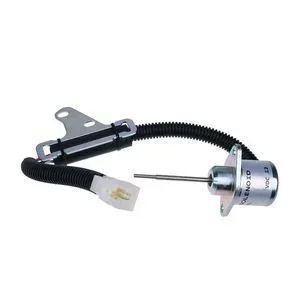
Engine Serial Variants Verified — Cross-reference chain for 1G820-60022 mapped across D722, D782, and D902 builds to confirm electrical interface and mounting pattern before dispatch.
Technical Specifications
| Parameter |
Value |
| Part Number |
1G820-60022 |
| Product Type |
Stop Solenoid |
| Cross-Reference |
1G820-60010, 1G820-60012, 1G820-60020, 1G82060022, 1G82060010, 1G82060012, 1G82060020 (reference only) |
| Machine Fitment |
K008-5, KX018-4, KX41-3, U15, U17, SCL1000 |
| Voltage |
12V |
| Compatible Engine Models |
D722, D782, D902 |
| Condition |
New Aftermarket |
| Warranty |
3-12 months against manufacturing defects |
| Certification |
ISO 9001 |
Application Suitability
| Engine System |
Related Components |
| Fuel Shutoff Control |
Injection pump timing assembly, fuel supply lines, injector return hoses |
| Engine Electrical |
Wiring harness connector, relay circuit, battery terminal contacts |
| Combustion Management |
Fuel filters, lift pump diaphragm, injector nozzles |
| Shutdown Safety Circuit |
Key switch assembly, safety relay, instrument panel indicator |
Why the Same 12V Stop Solenoid Engine Replacement Ships in Multiple Variants
A solenoid that fits one D722 build may not fit another without verifying the superseded number chain and engine serial range.
In Indonesian mining sites and Southeast Asian construction yards, I have watched a machine sit on a rebuild stand for days because the shutoff solenoid arrived with the wrong connector pin layout. The part number on the box matched the catalog, but the engine serial variant required a different electrical interface from the superseded chain. When a Kubota D-series engine comes in for overhaul, the teardown often reveals that a previous rebuild already introduced a variant swap — and the number stamped on the old solenoid no longer matches what the current harness expects [NEED_CITE: engine serial variant identification protocols for compact diesel rebuilds].
The 12V stop solenoid engine replacement cycle across 1G820-60010 through 1G820-60022 represents more than a simple supersession. Each step in the chain can correspond to a change in coil winding resistance, connector housing geometry, or plunger stroke specification tied to a specific engine production batch. Ordering by machine model alone bypasses these distinctions and delivers a component that physically mounts but fails to energize or seal correctly during shutdown sequences.

The Fuel Shutoff System Inside a Kubota D-Series Overhaul
This solenoid sits at the boundary between the electrical shutdown command and the mechanical fuel rack inside the injection pump. During an engine rebuild on D722, D782, or D902 platforms, the fuel shutoff circuit is one of the last systems verified before the engine leaves the stand. A 12V stop solenoid engine replacement that does not match the coil specification of the existing harness will either draw excessive current through the safety relay or fail to generate sufficient magnetic force to pull the fuel rack to the no-fuel position, leaving the engine unable to shut down under normal key-off conditions.
Superseded Numbers and What They Actually Change
The chain from 1G820-60010 through 1G820-60012, 1G820-60020, and finally 1G820-60022 reflects incremental revisions to the solenoid assembly. These revisions may involve the connector type — shifting between spade terminals and sealed multi-pin housings — or the plunger tip geometry that interfaces with the fuel rack lever. The no-hyphen equivalents such as 1G82060022 are catalog formatting variants rather than distinct parts, but confusion between them during ordering has caused fitment delays on active rebuild jobs [NEED_CITE: part number supersession tracking for compact diesel fuel systems]. Verifying the exact number against the engine serial plate and the existing harness connector eliminates this risk before the component ships.
Voltage, Coil Response, and Fuel System Diagnostics
The 12V rating must match the machine electrical system precisely. A solenoid coil designed for 12V operation on a machine with an alternator output drifting toward 14.5V during operation will experience accelerated thermal degradation if the coil winding specification does not account for the sustained higher voltage. Beyond the solenoid itself, a no-shutdown complaint may originate from a sticking fuel rack inside the injection pump rather than a solenoid fault. Diagnosing the root cause before ordering a 12V stop solenoid engine replacement prevents replacing a functional component while the actual fault — such as varnish buildup on the rack or a worn return spring — remains unaddressed.
The Hidden Cost of Skipping Engine Serial Verification
Shipping a solenoid by machine model without confirming the engine serial variant results in one of two outcomes: the connector does not mate with the existing harness, requiring field modification that compromises waterproofing and warranty, or the solenoid mounts but the plunger stroke does not align with the fuel rack travel, producing intermittent shutdown failures that appear only under thermal expansion at operating temperature. Either outcome sends the engine back to the stand and erodes the rebuild shop schedule [NEED_CITE: diesel engine rebuild turnaround losses from incorrect component specification]. The cost is never just the solenoid — it is the labor hours spent removing, returning, and waiting for the correct variant.
Why Rebuild Shops Source This Component Through Our Account
Our production and sourcing lines operate under unified quality control, meaning the 12V stop solenoid engine replacement carries the same warranty terms whether from our own facility or a qualified manufacturing partner. The eight product categories in our catalog allow a complete fuel system overhaul order — solenoid, filters, seal kits, injector components — to consolidate under one account with one set of documentation. Minimum order starts from a single piece, so an emergency solenoid for a machine already on the stand ships without waiting to fill a bulk threshold. Part identification works from the number, the machine model, a photograph of the nameplate, or an image of the existing connector, and our cross-reference verification covers the full superseded chain including discontinued numbers. A sample unit can ship for fitment confirmation before the shop commits to stocking multiple variants for their active fleet.
Documentation & Verification
- Commercial invoice listing each solenoid variant with its applicable engine serial range
- Cross-reference sheet mapping 1G820-600xx chain with interchange reference notation
- Electrical continuity and coil resistance test record included per unit
- Warranty terms specifying coverage period against manufacturing defects
- Packing photographs showing connector protection and anti-corrosion wrapping
- HS code and customs classification support for cross-border rebuild shop shipments
Installation & Rebuild Sequence
- Verify fuel rack moves freely by hand before installing the new solenoid plunger
- Clean the solenoid mounting bore to remove carbon deposits from previous service life
- Match connector pin layout against the existing harness before applying dielectric grease
- Confirm plunger tip engages the fuel rack lever without binding at full travel
- Torque mounting fasteners to specification and check electrical continuity at the relay
- Run initial start cycle and verify clean shutdown within two seconds of key-off
Inquire With Engine Details for Correct Variant Confirmation
Provide the engine model, serial number, and any visible number from the existing solenoid or harness connector. Photographs of the nameplate and the disconnected plug allow our technical team to map the correct position within the superseded chain and confirm coil specification before the unit ships.
Frequently Asked Questions
Q: Which number in the 1G820-600xx superseded chain fits my specific engine build?
A: The correct number depends on the engine serial number and production batch, not just the engine model designation. Each step in the superseded chain may correspond to a different connector housing or plunger stroke. Provide the serial plate details and a photograph of the existing connector so we can verify which variant in the cross-reference applies to your specific D722, D782, or D902 build.
Q: Do I need to inspect the injection pump when replacing the shutoff solenoid?
A: Yes. A no-shutdown symptom may originate from a sticking fuel rack inside the pump rather than solenoid failure. Before installing the replacement, confirm the rack moves freely through its full travel by hand. If varnish or carbon deposits restrict movement, address the pump condition first — otherwise the new solenoid will face the same binding that destroyed the previous unit.
Q: Are the no-hyphen and hyphenated part numbers interchangeable?
A: Numbers like 1G82060022 and 1G820-60022 represent the same component in different catalog formatting systems, not distinct variants. However, always verify the complete number against the engine serial range rather than assuming format equivalence, because some superseded steps in the chain introduced actual physical changes to the connector or plunger geometry.
Q: What other fuel system parts should be checked during solenoid replacement?
A: Inspect fuel supply lines for internal degradation, check injector return hoses for collapse or restriction, and verify fuel filter condition. A partially clogged filter upstream can create vapor conditions that mimic solenoid failure symptoms. Confirm lift pump output pressure meets specification before concluding the solenoid is the root cause of any fuel delivery irregularity.
Q: How do I confirm the engine serial variant before ordering?
A: Locate the engine nameplate — typically on the valve cover or block side — and record the complete model and serial number. If the nameplate is worn or painted over, photograph the existing solenoid connector, the mounting flange, and any casting numbers on the injection pump. These details allow cross-reference verification against the correct variant in the superseded chain.