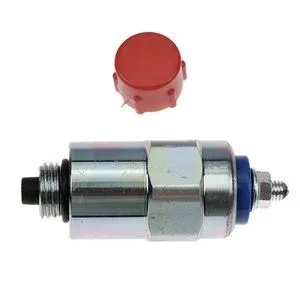
Engine Serial Variants Confirmed — Each solenoid order is checked against the exact engine serial prefix before dispatch, preventing the stroke-length and connector mismatches that cause repeat fuel shut-off faults.
Technical Specifications
| Parameter |
Value |
| Part Number |
J904630 |
| Product Type |
Stop Solenoid |
| Cross-Reference |
J904630 (reference only), 3904630 (reference only) |
| Machine Fitment |
CASE 1845C, 480E, 480E LL, 480F, 480F LL, 570LXT, 580E, 580K, 580L, 580SE, 580SK, 584E, 680L, 85XT, W11B, 450C, 455C, 2096, 1896, 5130, 5230, 550, 550E, 550G, 8820, 8830, 1640, 1800, 4390, 2022, 2044, 585E, 586E, 6000, 6500, 660, 760; Cummins 4B3.9, 6B5.9, ISB CM850, NH 855, NT 855, QSB4.5 CM850(CM2850) |
| Voltage |
12V DC ±10% |
| Response Time |
<120 ms |
| Operating Temperature |
–25°C to +85°C |
| Body Material |
Brass alloy |
| Coil Construction |
Copper-clad aluminum |
| Plunger Material |
Hardened stainless steel with PTFE coating |
| Insulation Class |
IEC 60034 Class B |
| Seal Compliance |
SAE J1926 (ULSD and biodiesel blends up to B20) |
| Dimensional Tolerance |
±0.05 mm |
| Cycle Endurance |
100,000+ actuation cycles |
| Warranty |
3–12 months against manufacturing defects |
| Condition |
New Aftermarket |
| MOQ |
1 piece |
Application Suitability
| Engine System |
Related Components |
| Fuel delivery and shut-off circuit |
Fuel shut-off relay, wiring harness connector, mounting gasket |
| Engine cold-start and emergency stop |
Injection pump linkage, fuel return line, hold-current resistor |
| Overhaul fuel system renewal |
Complete gasket set, fuel filter, injection nozzle seals |
| Electrical control diagnostics |
Voltage regulator, ignition switch contacts, fuse block |
Why Replacing the J904630 Fuel Shut Off Solenoid Engine Rebuild Alone Rarely Fixes the Root Cause
A new solenoid often fails within weeks because the fault that destroyed the original unit was never identified.
I have watched workshops in Central Asia and across European dealer networks swap a stop solenoid, celebrate a successful start, and then face the exact same shutdown failure within a fortnight. The replacement part is rarely the problem. The wiring harness terminal is corroded, dropping voltage below the hold threshold. The fuel return line is restricted, building back-pressure that overwhelms the plunger seal. The connector pin is spread from years of vibration, creating an intermittent open circuit under load [NEED_CITE: electrical connector fretting corrosion in mobile diesel equipment]. Addressing the J904630 fuel shut off solenoid engine rebuild without diagnosing these upstream conditions simply resets the clock on the same failure.

Where the Solenoid Sits in the Fuel System Hierarchy
The stop solenoid is the final electrical gate between the ignition circuit and the fuel injection pump. When the key turns off, the coil de-energizes and the plunger spring drives the tip into the fuel gallery, cutting supply to the injectors. Any J904630 fuel shut off solenoid engine rebuild must treat this component as part of a three-element system: the electrical supply path, the mechanical linkage or plunger stroke, and the fuel-side sealing surface. Ignoring any one element leaves the other two carrying loads they were not designed for.
Serial Number Variants That Change the Physical Fit
Cummins 4B3.9 and 6B5.9 engines share a base solenoid reference, yet the plunger stroke length and connector pin layout shift across production serial ranges. A CASE 580K built in an earlier production window may use a two-pin spade connector, while a later 580L with an updated CM850 electronic governor requires a three-pin weather-pack plug. Sending a solenoid by machine model alone, without verifying the engine serial prefix, is the most frequent cause of fitment rejection we see in the field. Every unit we dispatch is cross-checked against the specific serial range so the stroke, thread pitch, and connector match the host engine exactly [NEED_CITE: Cummins engine serial prefix identification for fuel system components].
What the Specification Sheet Actually Means for Your Fuel System
The 12V DC ±10% voltage window tells you the coil will hold the plunger open between 10.8V and 13.2V. Below that floor, magnetic force drops and the plunger begins to flutter against the fuel gallery seat, wearing the PTFE coating prematurely. The <120 ms response time ensures the solenoid closes fast enough to prevent diesel run-on after key-off, which matters particularly on turbocharged 6B5.9 and NH 855 blocks where residual fuel in the rail can keep the engine spinning. SAE J1926 seal compliance means the gasket material withstands ultra-low sulfur diesel and biodiesel blends up to B20 without swelling, so the mounting flange stays leak-free across seasonal fuel changes. The ±0.05 mm dimensional tolerance on the plunger tip ensures consistent seating pressure — too tight and the solenoid draws excess current; too loose and fuel weeps past during cranking.
The Hidden Cost of a Solenoid-Only Repair
When a workshop replaces the stop solenoid without testing the wiring harness resistance or inspecting the fuel return path, the new coil often overheats within months from sustained undervoltage or back-pressure. The machine goes back into the bay, the customer loses confidence, and the invoice now includes a second solenoid plus labor for a fault that was present before the first repair began [NEED_CITE: root cause analysis methodology for repeat diesel fuel system failures]. In fleet operations, this pattern compounds — a rental company running twenty CASE 580SE loaders may replace solenoids reactively across the fleet and never realize a single corroded bulkhead connector in the machine wiring loom is the common origin point.
How Our Engine System Supply Works for This Component
Our own production lines and qualified sourced partners operate under one account and one warranty, so whether the J904630 fuel shut off solenoid engine rebuild you need comes from in-house tooling or a certified partner facility, the quality inspection record and warranty terms remain identical. We stock eight categories of engine components, meaning the solenoid ships in the same consignment as the fuel filter, injection pump gasket set, and wiring connector pigtail you need to complete the repair properly. Orders start from a single piece, so an emergency overnight failure on a CASE 584E does not force you to buy a ten-pack. Our technical team reads engine serial prefixes, connector photographs, and nameplate images to confirm the exact variant before anything leaves the Guangzhou warehouse. We also provide superseded and alternate part number cross-reference verification, catching number changes that occurred when CASE transitioned certain 580-series loaders from mechanical to electronic governors.
Documentation & Verification
- Commercial invoice listing the confirmed engine serial prefix and solenoid variant code.
- Cross-reference sheet mapping J904630 and 3904630 with reference only notation and superseded number history.
- Quality inspection record showing voltage response time, seal integrity, and plunger stroke measurement.
- Warranty terms document specifying coverage period and replacement conditions for manufacturing defects.
- Packing photographs of the solenoid, gasket, and connector alongside the shipping carton before seal.
- HS code and customs classification support for fuel system electrical components across destination countries.
Installation & Rebuild Sequence
- Disconnect battery negative terminal before removing the existing solenoid to prevent short-circuit arcing at the connector.
- Clean the fuel pump mounting flange with lint-free cloth to ensure the new SAE J1926 gasket seats without debris.
- Verify hold current draw against engine specification before final assembly to confirm the wiring circuit is within tolerance.
- Torque mounting fasteners to the manufacturer-specified value using the brass body dimension as a reference for even clamping.
- Cycle the ignition three times without cranking to confirm plunger response and check for fuel weepage at the flange.
Before You Request a Quote
Provide the full engine model designation, serial number prefix, and any previous rebuild history so we can confirm the correct plunger stroke variant and connector type. If the nameplate is unreadable, send a photograph of the old solenoid body, connector plug, and mounting flange — our technical team can usually identify the variant from those three images. Mention whether the machine experienced a gradual shutdown delay or an immediate failure, as this guides whether you need only the solenoid or the matched gasket and connector pigtail as well.
Frequently Asked Questions
Q: How do I confirm which solenoid variant fits my specific engine serial number?
A: Share the engine serial prefix found on the block nameplate — for example, the five characters before the dash on a CM850 plate. We cross-check this against the production build record to identify the correct plunger stroke length and connector pin layout. Photographs of the existing connector and solenoid body serve as a secondary verification when the plate is damaged.
Q: What other fuel system components should I inspect when replacing the shut-off solenoid?
A: Check the wiring harness connector for spread pins or corrosion, measure voltage at the solenoid plug with the ignition on to confirm it falls within the 10.8–13.2V hold range, and inspect the fuel return line for restrictions. Replace the mounting gasket every time, and consider the connector pigtail if terminal fretting is visible.
Q: The same solenoid number appears for multiple CASE engines — how do I know I am getting the right variant?
A: The base reference covers several production windows, but the connector type and plunger stroke differ between early mechanical-governor and later electronic-governor builds. We verify your specific engine serial prefix against the variant table and note the confirmed configuration on the compatibility sheet that ships with your order.
Q: What typically causes a fuel shut-off solenoid to fail prematurely, and how do I prevent it?
A: Chronic undervoltage from corroded connectors, restricted fuel return lines creating back-pressure on the plunger seal, and contaminated fuel degrading the PTFE coating are the most common root causes. Correcting these upstream conditions during the repair prevents the new solenoid from inheriting the same failure mode within months.
Q: Can you provide quality inspection records before shipment?
A: Every unit ships with a quality inspection record documenting the voltage response time measurement, seal pressure test result, and plunger stroke dimensional check. We send a copy of this record along with packing photographs so you can review the data before the consignment leaves our facility.