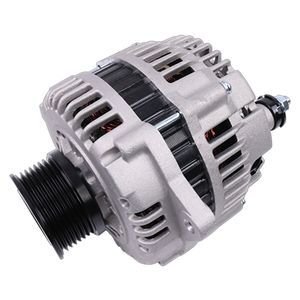
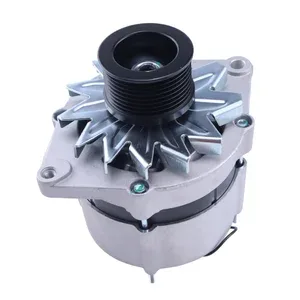
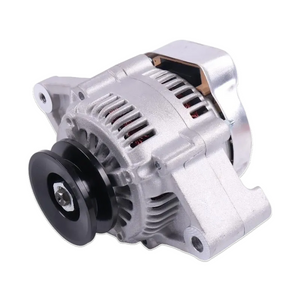
Engine Rebuild Charging System Support — This 12V Alternator for Isuzu 4HK1 and 4BD1 Engines ships as part of a system-matched electrical refresh, with cross-reference 898076-2600 verified against belt-drive and ECU load requirements.
Technical Specifications
| Parameter |
Value |
| Part Number |
898076-2600 |
| Product Type |
Alternator |
| Cross-Reference (reference only) |
LR1110-735, 8980762602, LR1110-735C, IZ8980762602 |
| Machine Fitment |
Isuzu 4HK1, Isuzu 4BD1 |
| System Voltage |
12V |
| Rotor Insulation |
Class H (180°C thermal rating) |
| Bearing Grade |
ABEC-3 |
| Bearing Life Rating |
10,000+ hours |
| Shaft Runout |
≤0.05 mm |
| Diode Rating |
100A silicon rectifiers with transient voltage suppression |
| Housing |
Precision-cast aluminum with integrated heat-dissipating fins |
| Condition |
New Aftermarket |
| Warranty |
6-month standard warranty against manufacturing defects |
| Standards |
ISO 9001, ISO 8528-3, SAE J1171 |
Application Suitability
| Engine System |
Related Components |
| Primary Charging Circuit |
Voltage regulator, battery cables, ECU power relay |
| Belt Drive Interface |
Serpentine belt, automatic tensioner, idler pulley |
| Engine Overhaul Electrical |
Starter motor, sensors, wiring harness sections |
| Cooling System Thermal Management |
Thermostat housing, coolant temperature sensor |
Diagnosing Repeat Failures in the Isuzu Charging Circuit
Replacing the alternator without tracing the root cause often leads to a second failure before the engine completes its break-in period.
In heavy-duty applications, a 12V alternator engine rebuild replacement rarely fails in isolation. Wiring harness chafing near the engine mount, excessive ECU current draw from aging injectors, or a belt tensioner that allows slip under load can all destroy a new unit within weeks. When the same charging fault returns after a rebuild, the repair cost multiplies as the engine must be partially stripped again to access the auxiliary drive. [NEED_CITE: mobile equipment electrical system root-cause diagnosis]

System-Level Position of the Alternator in 4HK1 and 4BD1 Rebuilds
The alternator sits within the engine auxiliary group, directly driven by the front-end accessory belt system. During a full 4HK1 or 4BD1 rebuild, this 12V alternator engine rebuild replacement should be evaluated alongside the tensioner, belt, and pulley alignment to prevent harmonic vibration from damaging the ABEC-3 bearings.
Matching Electrical Output to Engine Load Profiles
Class H rotor insulation and 100A diodes with transient voltage suppression allow this unit to handle load shedding events common in quarry haul trucks and port-side material handlers. When specifying the alternator for a rebuild, confirm that the stator winding output matches the total ECU, lighting, and telematics draw of the specific machine configuration. [NEED_CITE: off-highway electrical load calculation standards]
Thermal Design and Cooling-System Interdependence
The precision-cast aluminum housing with integrated fins reduces internal temperature rise, which is critical when the alternator operates near a rebuilt thermostat housing and radiator. Shaft runout held to ≤0.05 mm ensures correct belt engagement, preventing side-loading that accelerates both bearing and tensioner wear during extended idle cycles.
The Cost of Skipping Root-Cause Analysis
A workshop that installs a new alternator without checking the wiring harness condition or battery state-of-charge often faces a repeat failure within a single operating season. The machine returns with charging-system fault codes, requiring partial disassembly of the front accessory drive to diagnose what was originally a corroded connector or a failing voltage regulator. This pattern wastes labor hours and damages customer confidence. [NEED_CITE: electrical system misdiagnosis rates in heavy equipment service]
Sourcing That Supports Complete Engine Rebuilds
Both self-produced and sourced supply lines carry identical QC and warranty terms under one account. Eight product categories allow the charging system, fuel injection, and cylinder components to ship as a single consignment, avoiding split freight. Minimum order from one piece supports emergency single-unit replacements, while cross-reference verification covers superseded numbers like 8980762602 and LR1110-735C. Technical teams confirm engine serial variants and connector types before bulk commitment. Sample supply enables fitment confirmation on the bench before full fleet orders are released.
Documentation & Verification
- Commercial invoice lists 898076-2600 with applicable HS code for customs clearance
- Part compatibility sheet shows verified cross-references marked as reference only
- Quality inspection record covers no-load and full-load voltage regulation curves
- Six-month warranty terms cover manufacturing defects with replacement protocol
- Packing photographs document foam insert protection and terminal cap condition
Installation & Rebuild Sequence
- Inspect belt tensioner and idler pulley runout before mounting the alternator
- Confirm connector pin count and locking mechanism match the engine wiring harness
- Torque mounting bolts to specification and verify pulley alignment with a straight-edge
- Check charging voltage at the battery with all machine electrical loads active
- Record initial no-load and loaded voltage readings for the engine rebuild file
Quoting This Alternator for Your Rebuild Program
Provide the engine model, serial number, and any previous overhaul documentation to confirm the correct pulley groove count and connector variant. Specify whether this unit is for a complete engine refresh or a targeted charging-circuit repair, so related electrical components can be included in the same shipment.
Frequently Asked Questions
Q: What other charging-system components should I replace during a full 4HK1 rebuild?
A: During a complete engine rebuild, inspect the belt tensioner, idler pulley, and serpentine belt for wear that could affect alternator bearing life. Check battery cable terminals and the ECU power relay, as high resistance in these circuits forces the alternator to work harder. Replace the voltage regulator if it is serviceable separately from the alternator assembly.
Q: How do I confirm the correct connector type for my 4BD1 engine serial variant?
A: Provide the engine serial number and, if possible, a photograph of the existing alternator connector. Isuzu 4BD1 variants used across different machine generations may have different pin configurations and locking mechanisms. Cross-reference verification against the specific engine build date confirms whether LR1110-735 or an alternate reference applies.
Q: What typically causes a new alternator to fail within weeks of installation?
A: Repeat failures usually trace to wiring harness damage, a failing voltage regulator, or a belt tensioner that allows slip under load. Battery sulfation or excessive ECU current draw from aging sensors can also overwork the charging circuit. Root-cause diagnosis should include load testing the entire electrical system, not just the alternator in isolation.
Q: Are matched overhaul kits available that include electrical components?
A: Engine overhaul kits can be configured to include the alternator alongside cylinder components, gasket sets, and fuel system parts. Specify the engine model and rebuild scope to receive a matched kit that addresses the complete engine system. This approach ensures all wear items are replaced simultaneously, reducing the risk of early re-entry for auxiliary component failure.