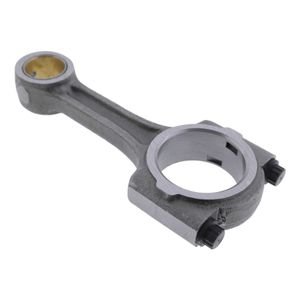
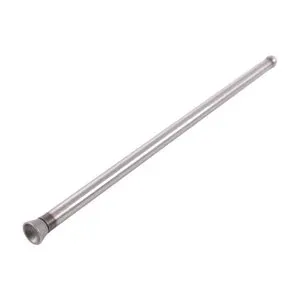
System-Validated Matching — Rocker arm and lifter tolerances held to ±0.015 mm on pivot bores, verified against 3.6L Pentastar build codes before dispatch.
Technical Specifications
| Parameter |
Value |
| Product Type |
Valve Rocker Arm & Lifter Kit |
| Part Number |
5184331AC |
| Cross-Reference (reference only) |
5184331AC, 5184332AA, 5184562AC, 5184595AE, 5184596AE |
| Machine / Vehicle Fitment |
2011–2019 Dodge Journey 3.6L, 2011–2020 Grand Caravan 3.6L, 2011–2015 Durango 3.6L, 2011–2019 Charger 3.6L, 2011–2019 Challenger 3.6L, 2011–2014 Avenger 3.6L, 2011–2017 Chrysler 200 3.6L, 2011–2019 Chrysler 300 3.6L, 2011–2016 Town & Country 3.6L, 2012–2017 Jeep Wrangler 3.6L, 2014–2016 Jeep Cherokee 3.2L, 2011–2015 Grand Cherokee 3.6L/3.0L, 2014–2019 Grand Cherokee 3.6L/3.0L, 2013–2016 Ram 1500 3.6L, 2014–2019 Ram ProMaster 1500/2500/3500 3.6L, 2012–2015 Ram C/V 3.6L |
| Brand Compatibility |
Fits Dodge, Chrysler, Jeep, Ram applications listed above |
| Material |
Forged steel rocker arms, hardened roller lifters, nitrile rubber gasket |
| Dimensional Tolerance (Pivot Bore) |
±0.015 mm |
| Dimensional Tolerance (Lifter Body) |
±0.025 mm |
| Gasket Operating Range |
–40°C to +150°C |
| Kit Contents |
Valve Rocker Arm & Lifter Kit with Gasket |
| Condition |
New aftermarket |
| Warranty |
6 months against manufacturing defects |
| MOQ |
1 set |
| Standards |
ISO 9001, Chrysler MS-10489, SAE J2412 |
Application Suitability
| Engine System |
Related Components |
| Valve Train Actuation |
Camshaft lobes, valve springs, valve stem seals |
| Cylinder Head Sealing |
Head gasket set, head bolt kit, valve cover gasket |
| Lubrication Supply to Lifters |
Oil control valve, oil filter, timing cover seal |
| Emission and Breathing |
PCV valve, intake manifold gasket, spark plug tube seals |
Why Overhaul Kits Still Leave the Head on the Bench
Missing components halt mid-rebuild because generic kits ignore engine build variants.
Rebuild shops across the Yangtze River Delta service corridor regularly open cylinder heads on Pentastar 3.6L V6 engines expecting a clean valve train swap, only to find the supplied lifter grade does not match the cam profile or the gasket variant is wrong for the model year. [NEED_CITE: Pentastar 3.6L valve train service bulletins and build code variations] The engine sits disassembled on the bench while a second order is placed, turning a scheduled overhaul into an unplanned delay. This valve rocker arm and lifter kit ships as a matched set verified against specific engine serial configurations, so the head goes back on the block the first time.

The Valve Train as a System, Not a Parts List
When a lifter fails on a 3.6L Pentastar, the root cause is rarely the lifter alone. Cam lobe wear, oil starvation through a clogged control valve, or degraded valve stem seals all contribute to accelerated roller wear. This valve rocker arm and lifter kit addresses the actuation side of that equation as a complete unit — forged steel rockers, hardened rollers, and the correct nitrile gasket arrive together. Replacing lifters without inspecting the cam lobes they ride on invites repeat failure within a short service window. [NEED_CITE: valve train failure root cause analysis for roller follower systems]
Matching Oversize History and Build Variants
Engines that have been through a prior rebuild often carry machined surfaces that shift the installed height and preload requirements. The lifter body diameter tolerance of ±0.025 mm in this kit is held to standard specification, which means shops must confirm whether the block or head has been resurfaced before installation. [NEED_CITE: engine machining history impact on valve train geometry] Additionally, Chrysler issued running changes across the 2011–2019 production window of the 3.6L, meaning the rocker arm pivot bore and gasket profile differ between early and late builds. Providing the engine serial number before ordering ensures the correct variant ships.
Dimensional Tolerances and Thermal Sealing in Practice
The ±0.015 mm pivot bore tolerance directly affects valve lash stability. A bore that drifts outside this window produces inconsistent rocker ratio, which translates to noise at idle and accelerated tip wear under load. The forged steel construction resists deflection at sustained high-RPM operation common in fleet and municipal duty cycles. On the sealing side, the nitrile rubber gasket maintains compression recovery across the –40°C to +150°C range, which is critical for cold-start oil sealing before the valve cover reaches operating temperature. A gasket that hardens below freezing will weep oil into the intake manifold runners until the engine warms up, a failure pattern common in northern climate service areas.
The Cost of Tolerance Mismatch and Gasket Substitution
When rockers and lifters are sourced separately from different suppliers, the cumulative tolerance stack can push valve timing events outside the cam designer's intended window. The result is not catastrophic failure but persistent valvetrain noise that the customer hears immediately after pickup. Shops absorb the diagnostic time, the teardown labor, and the reputational hit. [NEED_CITE: valve train noise diagnostic procedures for hydraulic roller lifter engines] A gasket substituted from a generic silicone rather than the specified nitrile compound will seal adequately at operating temperature but leak during the first minutes of a cold morning start, triggering a comeback complaint that looks like a head gasket failure on the surface.
Procurement Verification from One Source
Every set ships from our own production lines or from qualified ISO-certified manufacturing partners under identical quality control and warranty terms. The eight product categories in our catalog mean a shop quoting a complete Pentastar valve train job can add valve stem seals, an oil control valve, and a head bolt kit to the same consignment. Single-set MOQ removes the barrier for a one-off emergency rebuild. Cross-reference verification covers superseded and alternate part numbers across the 2011–2019 Chrysler, Dodge, Jeep, and Ram 3.6L applications. Technical staff confirm engine build compatibility and oversize history before the order ships, and sample supply is available for fitment confirmation before bulk commitment.
Documentation & Verification
- Commercial invoice and packing list itemizing each kit component by part number and quantity.
- Cross-reference sheet mapping OEM reference numbers 5184331AC, 5184332AA, 5184562AC, 5184595AE, and 5184596AE to engine serial ranges (reference only).
- Dimensional inspection record covering pivot bore, lifter body diameter, and gasket thickness measurements.
- Warranty terms stating six-month coverage against manufacturing defects from dispatch date.
- Packing photographs showing sealed box condition and foam protection before crate closure.
- HS code and customs classification support for international freight forwarding.
Installation & Rebuild Sequence
- Verify engine build code and compare new rocker pivot bore against service manual specification before installation.
- Clean all lifter bores in the cylinder head with lint-free cloth and confirm oil passage flow with compressed air.
- Install lifters dry, then apply assembly lube to roller contact surfaces and rocker arm pivot points.
- Torque rocker shaft or pedestal bolts to factory sequence and specification, checking free rotation after each stage.
- Confirm valve cover gasket seating surface is free of nicks before fitting the new nitrile gasket to prevent cold-start weeping.
- Run engine to operating temperature and verify no valvetrain noise persists across the full RPM range before returning to service.
Requesting a Compatibility Quote
Provide the engine model designation, the engine serial or VIN, and any known machining history such as head resurfacing or block decking. If the existing rocker arms or lifters are available, photographs of the pivot bore markings and lifter body stampings help confirm the correct variant. Fleet maintenance managers specifying multiple units across mixed-model-year vehicles should supply the build year range to receive a consolidated compatibility matrix with the quote.
Frequently Asked Questions
Q: What exactly is included in this valve rocker arm and lifter kit, and is the gasket the correct variant for my specific engine build?
A: Each kit contains the full set of forged steel rocker arms, hardened roller lifters, and a nitrile rubber valve cover gasket matched to the engine build code you provide. We verify the gasket profile against your engine serial before dispatch to prevent the common problem of generic kits shipping a one-size gasket that does not match early or late Pentastar 3.6L casting variations.
Q: My previous rebuild used oversize components after head machining — does this kit account for prior machining history?
A: The lifters in this kit are standard dimension, so if the cylinder head has been resurfaced or the block decked, the installed valve train geometry may have shifted. Provide your machining records or measured deck height when ordering so our technical team can confirm whether standard components will achieve correct preload or if adjustment is required.
Q: How do I confirm compatibility when my engine has a superseded part number or a variant-specific lifter?
A: Share your engine serial number or VIN along with any markings from the original rocker arms or lifters. Our cross-reference database covers superseded and alternate OEM reference numbers across the full 2011–2019 production span, and we verify the correct variant before confirming the order.
Q: Can I get a sample set for fitment verification before committing to a bulk order for my shop?
A: Sample supply is available with the same quality control terms as production orders. Shops ordering for the first time or covering a new model year in their service lineup can request a single kit for bench fitment against a known cylinder head before placing a standing stock order.
Q: What inspection and testing records come with each kit?
A: Every kit ships with a dimensional inspection record covering pivot bore diameter, lifter body outer diameter, and gasket thickness. Functional rotation checks on the roller followers are performed and documented. These records are included in the dispatch documentation package alongside the commercial invoice and packing list.