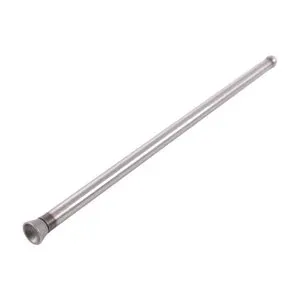
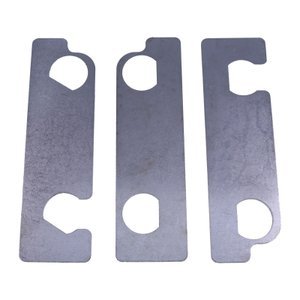
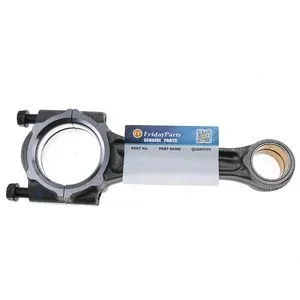
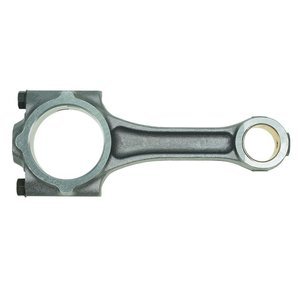
Matched Sets Shipped Together — Every push rod for this Isuzu 4J-series valve train is verified against engine serial variant and oversize history before dispatch.
Technical Specifications
| Parameter |
Value |
| Part Number |
8-97071673-0 8-94143202-0 |
| Cross-Reference (reference only) |
8970716730, 8941432020, 8-97071673-1, 8970716731 |
| Product Type |
Push Rod |
| Machine Fitment |
NHR, NKR, NKR55, NKR66, NKR69, NKR71, NKR77, NLR, NLR55, NLR71, NLR77, NLR85, NMR, NMR55, NMR71, NMR77, NMR85, NPR, NQR, QKR, TFR, TFS, UBS, UCS |
| Engine Compatibility |
Isuzu 4JA1, 4JB1, 4JC1, 4JG1, 4JG2, 4JH1, UM4JA1, UM4JB1, UM4JG1 |
| Material |
High-grade steel |
| Surface Treatment |
Heat-treated |
| Condition |
New Aftermarket |
| Warranty |
3-12 months against manufacturing defects |
| MOQ |
1 piece |
Application Suitability
| Engine System |
Related Components |
| Valve Train Actuation |
Rocker arms, valve lifters, camshaft |
| Cylinder Head Assembly |
Valve stems, valve springs, collets |
| Bottom End Rotating Assembly |
Pistons, connecting rod bearings, crankshaft |
| Sealing & Gasket System |
Overhaul gasket set, valve stem seals |
When the Overhaul Kit Shows Up but the Valve Geometry Is Wrong
Matching the push rod length to the specific engine serial and rebuild history prevents the most common rework on 4J-series diesel engines.
I have seen rebuild shops pull a full engine apart, wait weeks for the kit, and then discover the push rods are dimensionally correct for a different build variant of the same engine family. The block is already on the stand. The machinist is waiting. In my years moving from warehouse part verification into technical support around the Yangtze Delta parts network, this mismatch scenario repeats far too often [NEED_CITE: engine rebuild mismatch frequency in independent workshops]. The issue is rarely the push rod itself — it is the failure to confirm which variant of the 4JA1, 4JB1, or 4JH1 sits on the bench, and whether a previous rebuild changed piston deck height or installed oversize components that altered valve train geometry. A Push Rod engine rebuild replacement for Isuzu 4JH1 4JA1 4JB1 must be selected with the full system state in mind, not just the base engine model stamped on the block.

Valve Train System Context and Adjacent Wear Points
The push rod transfers motion from the camshaft lobe through the lifter to the rocker arm, which opens the valve. During any 4J-series overhaul, this entire chain needs inspection. A worn cam lobe will produce a push rod that looks fine on the bench but cannot deliver full valve lift in operation. A collapsed or worn lifter creates the same symptom. Replacing only the bent push rod without tracing the root cause almost always leads to a second teardown. The Push Rod engine rebuild replacement for Isuzu 4JH1 4JA1 4JB1 should therefore be ordered alongside a thorough wear assessment of the cam, lifters, and rocker pivot points.
Serial Variants, Oversize History, and Dimensional Matching
Across the 4JA1, 4JB1, and 4JH1 family, push rod length and end geometry vary by engine serial range and production generation. A previous rebuild that installed oversize pistons may have changed the deck height relationship, meaning a standard-length push rod now produces incorrect valve lash at the rocker. I once handled a case where pistons, liners, and rings were ordered separately from different suppliers and arrived in mismatched size grades — the block was already open and the crew could only wait. That same logic applies here: confirm the existing piston and bearing grade before finalizing the push rod order [NEED_CITE: Isuzu 4J engine serial variant push rod length differences]. The heat-treated steel construction of these components is designed to withstand the cyclic loading of the valve train, but correct geometry is what prevents accelerated wear.
What the Specs Mean in the Rebuild Bay
The high-grade steel material and heat-treated surface are specified to resist the bending and compressive loads that push rods experience at every cam lobe pass. In a 4J-series diesel running at governed speed, each push rod cycles thousands of times per minute. If the heat treatment is inconsistent, the rod develops a fatigue bend at the tip or ball end, showing up as a ticking noise that worsens over hours of operation. The new aftermarket condition means these parts have not been subjected to prior load cycles, which matters because a reused push rod carries hidden fatigue that no visual inspection reveals. Dimensional accuracy at both ends — the lifter cup and the rocker ball — directly controls valve lash adjustment range, and an out-of-tolerance rod forces the mechanic to run excessive lash, creating noise and accelerated rocker wear.
The Hidden Cost of Skipping the Root Cause Check
A bent push rod on a 4JH1 or 4JB1 is usually a symptom, not the primary failure. If the cam lobe that drives it is worn flat, the new push rod will operate with reduced lift and the cylinder will run poorly from day one after rebuild. If the lifter bore in the block is worn, the lifter tilts under load and pushes the rod sideways, bending it within a few hundred hours. Shops that replace only the rod and reassemble without measuring cam lift and lifter bore clearance end up facing a warranty claim on the same engine [NEED_CITE: valve train repeat failure root cause analysis diesel engines]. The cost of the second teardown dwarfs the cost of the additional diagnostic steps and matched components.
Why Source This Valve Train Component Through XUNPO
Own-production lines and qualified sourced supply carry identical quality control and warranty terms, so the push rod you receive is inspected to the same standard regardless of which facility produced it. Eight product categories under one account mean the gasket set, bearings, piston rings, and valve stem seals for the same 4J-series overhaul ship as one consignment, not four separate deliveries. Minimum order starts at one piece, which matters when you need to replace a single damaged rod after a root-cause inspection. The technical team confirms engine serial variant and existing oversize grade before dispatch, reducing the chance of the mismatch scenario described above. Cross-reference verification covers superseded numbers like 8-97071673-1, so an older reference on a worn nameplate can still be resolved accurately.
Documentation & Verification
- Commercial invoice listing each push rod variant matched to your engine serial
- Cross-reference sheet showing 8-97071673-0 and superseded numbers as reference only
- Dimensional inspection record for tip and ball end geometry before packing
- Warranty terms covering manufacturing defects for 3-12 months
- Packing photographs confirming quantity and condition prior to dispatch
- HS code and customs documentation support for international shipment
Installation & Rebuild Sequence
- Inspect camshaft lobe lift and lifter bore clearance before installing new push rods
- Verify push rod length matches the confirmed engine serial variant and piston deck height
- Apply assembly lubricant to both lifter cup and rocker ball ends during installation
- Set initial valve lash to specification with engine at top dead center per cylinder
- Run first start at moderate speed and recheck valve lash after warm-up cycle
Before You Send the Inquiry
Provide the full engine model and serial number from the nameplate, along with any known rebuild history including oversize grades already installed. If the nameplate is unreadable, a clear photograph of the existing push rod alongside a ruler helps confirm the correct variant. This information allows the technical team to verify dimensional match and recommend the complete set of valve train components needed for the overhaul.
Frequently Asked Questions
Q: What else should be replaced when rebuilding the valve train on a 4JH1 engine?
A: Beyond the push rods, inspect and typically replace the valve lifters, rocker arm pivots, and valve stem seals as a matched set. The camshaft should be measured for lobe lift — if worn, it must be replaced alongside the new push rods to prevent repeat bending. An overhaul gasket set specific to your engine serial variant completes the sealing system.
Q: Does my overhaul kit include the correct push rods for my engine serial?
A: Generic overhaul kits often include push rods sized for the most common variant, which may not match your specific engine serial range or previous rebuild state. Confirm the kit contents against your actual block configuration, especially if oversize pistons were installed previously, as this changes deck height and valve train geometry requirements.
Q: What caused my push rod to fail and how do I prevent it from happening again?
A: Bent push rods on 4J-series engines usually trace back to worn cam lobes, damaged lifters, or excessive valve lash from a prior adjustment error. Prevent recurrence by measuring cam lift and lifter bore condition during teardown, replacing worn components as a system rather than individually, and verifying valve lash after the initial warm-up run.
Q: Can I order matched valve train components as a set for an Isuzu 4JB1 rebuild?
A: Yes, matched sets including push rods, lifters, and related hardware can be sourced under one account with a single warranty. Provide your engine serial number and any known rebuild history so the components are verified for dimensional compatibility with your specific block state and oversize grade.