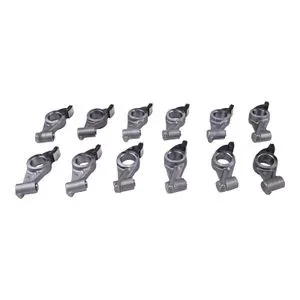
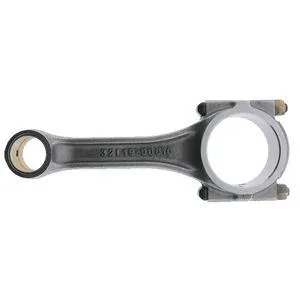
Matched Valvetrain Set Shipped Together — This Isuzu Push Rod 8-97071673-0 (cross-reference only) is supplied as part of a system-matched overhaul set, with tappets, rocker arms, and gaskets verified against your 4J-series engine serial variant to prevent repeat teardowns.
Technical Specifications
| Parameter |
Value |
| Part Number |
8-97071673-0 |
| Product Type |
Push Rod |
| Cross-Reference |
8-97071673-0, 8970716730, 8-94143202-0, 8941432020, 8-97071673-1, 8970716731 (reference only) |
| Machine Fitment |
NHR, NKR, NKR55, NKR66, NKR69, NKR71, NKR77, NLR, NLR55, NLR71, NLR77, NLR85, NMR, NMR55, NMR71, NMR77, NMR85, NPR, NQR, QKR, TFR, TFS, UBS, UCS |
| Engine Model Fitment |
4JA1, 4JB1, 4JC1, 4JG1, 4JG2, 4JH1, UM4JA1, UM4JB1, UM4JG1 |
| Material |
SAE 5140 alloy steel |
| Surface Treatment |
Heat-treated to HRC 48–52 |
| Dimensional Tolerance |
±0.01 mm diameter |
| Inspection |
Magnetic particle inspection |
| Condition |
New Aftermarket |
| Warranty |
3–12 months against manufacturing defects |
| MOQ |
1 piece |
Application Suitability
| Engine System |
Related Components |
| Valvetrain Actuation |
Tappets, rocker arms, valve springs, valve guides |
| Top-End Overhaul |
Cylinder head gasket, valve stem seals, head bolts |
| Bottom-End Rebuild |
Camshaft bearings, timing gears, thrust plate |
| Marine Variant Service |
UM-series specific push rod lengths, saltwater-grade gaskets |
Why the Same Part Number Fits Four Different Engine Variants
Confirming the exact engine serial is the only way to guarantee push rod length matches the valvetrain geometry.
A common mistake in the workshop is ordering an Isuzu Push Rod engine rebuild set based solely on the engine family. The 4J-series covers a wide range of internal dimensions. A rod that physically fits a 4JA1 might be slightly too long or too short for a 4JH1, leading to incorrect valve lash that cannot be adjusted out. This results in either a top-end that clatters on startup or valves that hang open, causing piston contact. [NEED_CITE: Isuzu 4J-series valvetrain dimensional variations and interchange limitations]
In the Pearl River Delta repair scene, I have seen NKR55 trucks come back with bent rods because the previous shop did not verify the engine serial variant before ordering the Isuzu Push Rod engine rebuild components. The base block might look the same, but the cam lobe profile and tappet cup depth dictate the effective rod length required.

The System Behind the Single Component
A push rod does not fail in isolation; it transfers force from the camshaft through the tappet to the rocker arm. When sourcing an Isuzu Push Rod engine rebuild, treating the valvetrain as a system prevents mismatched wear stages. If you install new rods against worn tappet faces, the new components will degrade rapidly.
Sizing and Rebuild History Verification
Engines that have seen prior machine shop work often carry hidden dimensional changes. A reground camshaft or resurfaced cylinder head alters the geometry. We verify the required push rod length against your specific rebuild history to ensure the replacement set matches the current state of the engine, not just the factory blueprint. [NEED_CITE: impact of cylinder head resurfacing on valvetrain geometry in diesel engines]
Decoding the Material and Heat Treatment Specs
The specification calls for SAE 5140 alloy steel, a medium-carbon chromium steel chosen for its high fatigue strength and uniform hardenability. This is critical for push rods, which undergo high-frequency compressive loading. The heat treatment to HRC 48–52 provides a surface hardness that resists wear at the tappet contact point while maintaining a core tough enough to resist buckling under peak cylinder pressure events. The ±0.01 mm diameter tolerance ensures consistent oil film retention and guidance within the block, preventing the lateral whip that leads to fatigue cracking. Magnetic particle inspection is utilized post-manufacturing to detect subsurface inclusions or grinding cracks that visual checks miss.
The Hidden Cost of Missing the Root Cause
Replacing a bent push rod without investigating the root cause is a temporary fix. In many Isuzu 4JB1 overhauls I have supervised, the failure traced back to oil starvation at the tappet interface or a valve spring that had gone solid, not the rod itself. Installing new hardware into a system with blocked oil galleries guarantees a repeat failure. [NEED_CITE: common root causes of valvetrain failure in light commercial diesel engines]
Sourcing Precision from the Pearl River Delta
Our technical team verifies engine serial variants against internal cross-reference databases that cover superseded part numbers, ensuring the Isuzu Push Rod engine rebuild kit matches your specific block. We supply matched valvetrain sets so the entire upper engine is renewed to the same wear baseline, avoiding the situation where a new rod works against a tired rocker shaft. Guangzhou warehouse stock on common 4J-series items supports immediate dispatch for urgent workshop requirements.
Documentation & Verification
- Commercial invoice listing full valvetrain kit contents for accurate customs clearance.
- Cross-reference sheet mapping 8-97071673-0 to specific 4JA1/4JH1 engine serial ranges (reference only).
- Magnetic particle inspection record confirming zero subsurface defects on alloy steel rods.
- Warranty terms covering manufacturing defects on the complete matched component set.
- Dimensional inspection report verifying length and diameter tolerances before dispatch.
Installation & Rebuild Sequence
- Inspect tappet faces for concave wear before inserting the new push rods.
- Verify oil gallery flow to the tappet bores to prevent dry startup scuffing.
- Install rods and adjust valve lash to cold specifications per the engine manual.
- Perform a pre-lube cycle to establish oil film on all new valvetrain interfaces.
Requesting a Valvetrain Compatibility Quote
To ensure we ship the correct push rod length and matched components, please provide your full engine model, serial number, and details of any previous cylinder head or block machining work.
Frequently Asked Questions
Q: What other valvetrain parts should be replaced together with the push rod?
A: For a reliable Isuzu Push Rod engine rebuild, we recommend replacing the tappets, rocker arms, and valve springs as a matched set. Installing new rods against worn tappet faces causes rapid wear recurrence. Replacing the full upper valvetrain ensures all components start at the same wear baseline, preventing early repeat failures.
Q: My engine was rebuilt before — how do I confirm the correct push rod length?
A: Previous machining, such as cylinder head resurfacing or camshaft reginding, changes the effective push rod length required. Provide your engine serial number and details of past machine shop work. We cross-reference these against our technical database to supply rods that match the engine's current dimensions, not just the factory original specs.
Q: Are 4JH1 and 4JA1 push rods interchangeable?
A: While they belong to the same Isuzu 4J family, internal dimensions like block deck height and cam profile differ between 4JH1 and 4JA1 variants. Using the wrong rod leads to unadjustable valve lash and potential piston-to-valve contact. Always confirm the exact engine model and serial number before ordering.