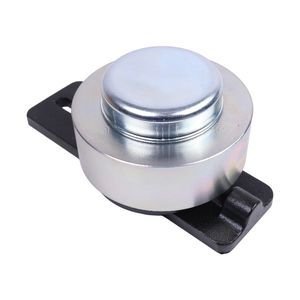
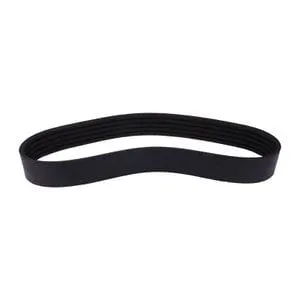
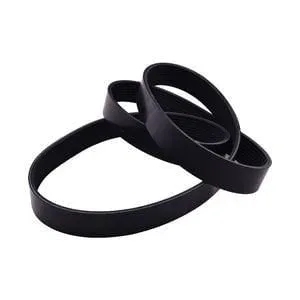
Matched System Components — Belt tensioner and drive belts verified against Bobcat engine serial variants before dispatch to prevent mismatched tension loads across the accessory drive.
Technical Specifications
| Parameter |
Value |
| Part Number |
6735884 |
| Product Type |
Belt Tensioner |
| Cross-Reference |
6711698 (for identification purposes) |
| Machine Fitment |
Bobcat 653, 751, 753, 763, 773, 7753 |
| Part Name |
Drive Belt Tensioner Pulley Assembly |
| Condition |
New Aftermarket |
| Material |
Heat-treated 40Cr alloy steel |
| Surface Treatment |
Zinc-nickel electroplating |
| Bearing Type |
Sealed double-row angular contact ball bearings (ABEC-3 grade) |
| Warranty |
6-month warranty against manufacturing defects |
| Minimum Order |
1 piece |
Application Suitability
| Engine System |
Related Components |
| Accessory Belt Drive |
Drive belts, idler pulleys, alternator pulley, water pump pulley |
| Cooling System Drive |
Fan belt, fan hub assembly, coolant pump sealing surfaces |
| Charging System Drive |
Alternator mounting brackets, belt alignment shims |
| Engine Front Cover |
Front cover gasket set, crankshaft front seal, timing cover fasteners |
Why a New Belt Tensioner Fails Weeks After Installation
A belt tensioner pulley assembly replaced in isolation often inherits the fault that destroyed its predecessor.
In skid steer engines working quarry and demolition dust, the belt drive system operates as a closed loop of tension, alignment, and bearing load. When a tensioner seizes or loses spring force, the immediate instinct is to swap the unit and return the machine to work. Yet if the underlying cause — a misaligned accessory pulley, a worn idler bearing, or a belt that has already taken a set from slipping — remains unaddressed, the replacement Belt Tensioner Pulley Assembly engine rebuild parts absorbs abnormal side loads from day one. Field teardown reports consistently show premature bearing failure in tensioners installed alongside reused, glazed belts [NEED_CITE: belt drive system root cause analysis for mobile diesel engines]. The repair costs double: second downtime event, second labor charge, second freight bill.

The Belt Drive System as a Matched Set
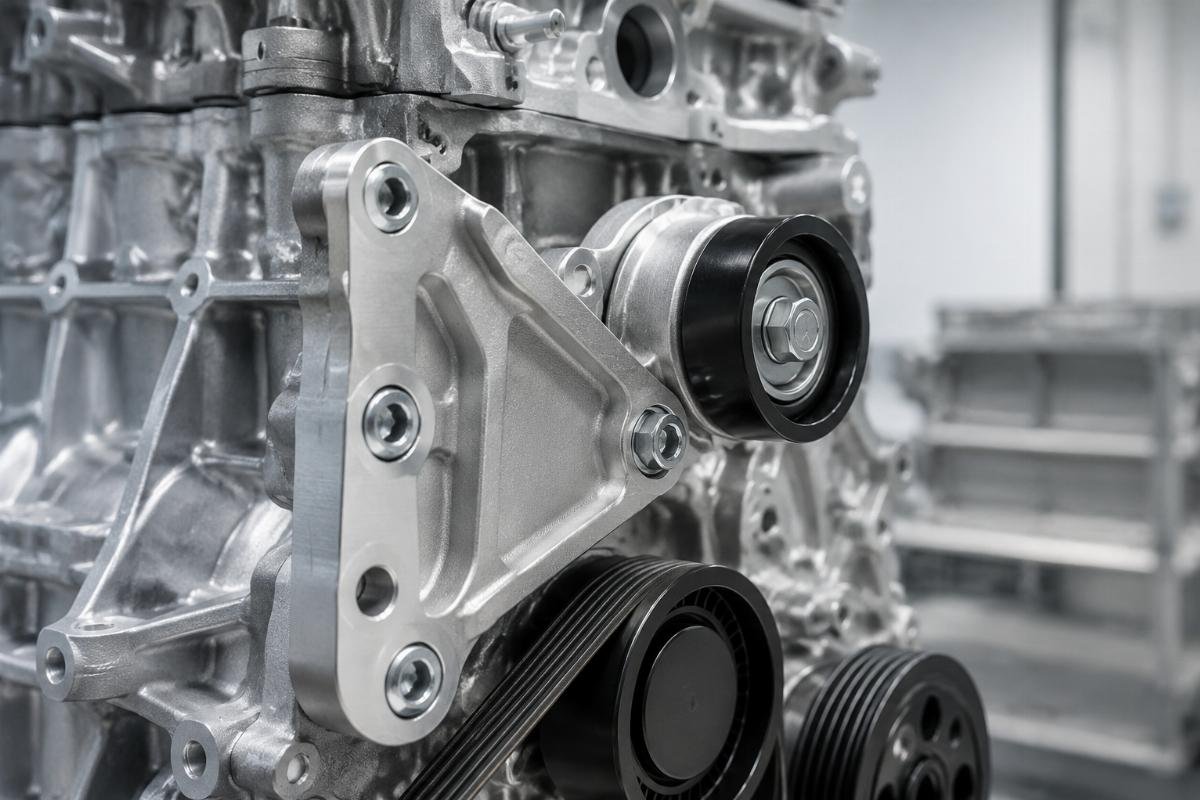
Every component in the front accessory drive shares the same belt path and tension envelope. The tensioner maintains correct belt wrap angle across the alternator, water pump, and any auxiliary hydraulic pump drives. When rebuilding a Bobcat skid steer engine, treating the belt drive as a collection of independent parts rather than a matched system leads to tolerance stacking — small deviations in pulley runout, bracket wear, and belt elongation that compound under load. Replacing the tensioner alongside a fresh belt and inspected idler pulleys restores the system to a known baseline. This Belt Tensioner Pulley Assembly engine rebuild parts approach prevents the cascading failures that plague partial repairs.
Engine Serial Variants and Fitment Accuracy
Bobcat skid steer models such as the 753 and 763 span multiple engine generations, each with subtle differences in front cover geometry, bolt pattern spacing, and accessory bracket configuration. A tensioner that physically bolts on may still sit at a slight angular offset if it was designed for a different serial range, introducing lateral belt walk that wears the pulley flange prematurely. Cross-reference verification between superseded part numbers — including the interchange reference 6711698 — must be paired with engine serial number confirmation. Our technical team checks the specific engine build sheet to ensure the tensioner bracket interface, pulley diameter, and spring rate match the target configuration before confirming an order [NEED_CITE: engine serial variant identification standards for aftermarket parts].
Material and Bearing Specification for Continuous Duty
The 40Cr alloy steel construction, heat-treated for core hardness, resists the cyclic bending loads transmitted through the pulley shaft during engine start-up and sudden load changes. Zinc-nickel electroplating provides corrosion protection in environments where machines sit outdoors between shifts — coastal construction sites, humid tropical mines, and winter storage yards where condensation attacks bare steel. The sealed double-row angular contact ball bearings, graded to ABEC-3 precision, handle both radial belt pull and axial thrust generated by slight misalignment in aged accessory brackets. This bearing specification matters because standard deep-groove bearings in tensioner applications tend to develop play under combined loading, leading to pulley wobble and belt chirp within the first few hundred operating hours.
The Cost of Skipping System-Level Diagnosis
Replacing a failed tensioner without investigating why it failed is the most common repeat-repair pattern in belt drive systems. A seized idler pulley forces the tensioner to absorb all belt slack variation. A stretched belt that has exceeded its service limit reduces effective tensioner travel, causing the spring to operate outside its designed range. A worn alternator bearing introduces vibration that fatigues the tensioner bracket. Each of these conditions will destroy a new tensioner on a timeline measured in weeks rather than seasons. Workshops that adopt a system-level diagnostic protocol — checking every pulley for free rotation, measuring belt elongation, and inspecting bracket bushings — see Belt Tensioner Pulley Assembly engine rebuild parts last through full service intervals instead of returning to the bench [NEED_CITE: accessory drive belt system maintenance protocols].
Why Source This Component Through XUNPO
Our own production lines and qualified sourced supply carry identical quality control standards and the same six-month warranty, so you manage one account regardless of which category your repair list spans. Eight product categories — from engine internals to hydraulic seals — ship as a single consignment, eliminating split freight and mismatched arrival times. Minimum order is one piece, which matters when a single tensioner is holding up a machine return. Our Guangzhou warehouse maintains stock on high-turnover belt drive components for rapid dispatch on common configurations. Part identification is available from a part number, machine model, photograph of the old component, or a nameplate image — whichever is readable on your end. Cross-reference verification covers superseded numbers like the 6711698 interchange reference, and we supply samples for fitment confirmation before you commit to bulk quantities.
Documentation & Verification
- Commercial invoice and packing list itemizing each belt drive component by part number
- Compatibility and cross-reference sheet noting reference-only OEM numbers for customs and receiving
- Dimensional inspection record covering pulley bore, bracket hole spacing, and bearing axial play
- Six-month warranty terms document covering manufacturing defects under normal operating conditions
- Packing photographs showing anti-corrosion wrapping and box labeling before container loading
- HS code declaration and export documentation support for destination country clearance
Installation & Rebuild Sequence
- Clean the front cover mounting surface and verify bracket dowel pins are undamaged before fitting the tensioner
- Torque the tensioner mounting bolts to engine manual specification — overtightening distorts the bracket and misaligns the pulley
- Route the new belt according to the diagram and use the tensioner release tool to avoid prying against the pulley flange
- Rotate the crankshaft two full revolutions by hand to confirm belt tracking before initial start-up
- Run the engine at idle for ten minutes, then recheck belt tension and listen for bearing noise at operating temperature
- Record belt alignment and tensioner arm position at first service interval for future wear comparison
Request a System-Matched Quote
Provide your engine model, serial number, and any previous rebuild history so we can confirm the correct tensioner variant and identify companion wear items. If the machine nameplate is illegible, send a photograph of the old tensioner and adjacent pulleys for identification. We will return a compatibility-verified quotation covering the full belt drive system component list.
Frequently Asked Questions
Q: What other belt drive components should I replace at the same time as the tensioner?
A: The drive belt itself should always be replaced — a used belt has already taken a set and will not seat correctly on a new pulley. Idler pulleys should be checked for bearing play and replaced if any lateral movement is detectable. Accessory pulleys on the alternator and water pump should be inspected for groove wear and flange damage. Treating these as a matched set during an engine overhaul prevents premature tensioner failure.
Q: How do engine serial variants affect which tensioner I need?
A: Bobcat skid steer models like the 753 and 763 were built across several engine generations with different front cover castings and bracket configurations. A tensioner from a later serial range may bolt on but sit at an angle that causes belt walk. We verify the engine serial number against our compatibility database and cross-reference superseded part numbers before confirming fitment.
Q: What system-level fault could cause a new tensioner to fail prematurely?
A: Common root causes include a seized idler pulley that transfers all slack variation to the tensioner, a worn alternator bearing that introduces vibration into the bracket, or a belt that was reused past its elongation limit. Diagnosing and correcting these conditions before installing the replacement tensioner is essential to achieving full service life from the component.
Q: Can I order a matched belt and tensioner kit for a complete drive refresh?
A: Yes. We supply the tensioner assembly together with the correct drive belt and any associated idler pulleys as a consolidated kit matched to your specific engine serial range. This approach ensures all wear surfaces are renewed simultaneously and the belt path is restored to original geometry.
Q: How do I confirm the correct part number when references have been superseded?
A: Provide us with the number stamped on the old part, the machine model and serial number, or a clear photograph of the component and nameplate. We cross-verify superseded numbers — such as the transition between 6711698 and 6735884 for identification purposes — against our compatibility records and confirm the correct variant before processing your order.