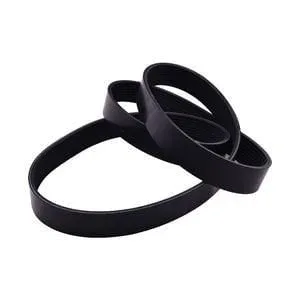
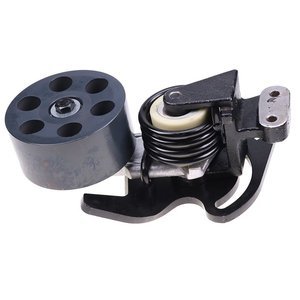
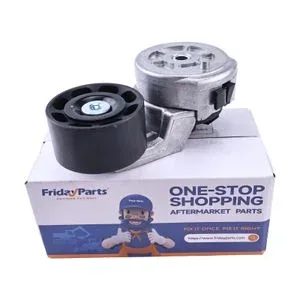
Complete cooling drive match — Every 84331239 fan belt we ship is verified against your engine serial to confirm tensioner, pulley, and water pump compatibility before dispatch.
Technical Specifications
| Parameter |
Value |
| Part Number |
84331239 |
| Product Type |
Belt |
| Cross-Reference |
84331239 (reference only) |
| Machine Fitment |
L221, L223, L225, L228, L230, C227, C232, C238 |
| Material |
High-tensile synthetic rubber with polyester cord reinforcement |
| Condition |
New Aftermarket |
| Continuous Service Temperature |
up to 120°C |
| Dimensional Tolerance (Width) |
±0.5 mm |
| Dimensional Tolerance (Length) |
±1.2 mm |
| Flex Fatigue Resistance |
tested to 10 million cycles at 60 Hz |
| Warranty |
6 months against manufacturing defects |
| Standards |
ISO 9001 |
Application Suitability
| Engine System |
Related Components |
| Engine Cooling & Auxiliary Drive |
Water pump, thermostat, radiator fan, tensioner assembly |
| Alternator & Accessory Drive |
Alternator pulley, idler pulleys, mounting brackets |
| Scheduled Maintenance Kits |
Fan belt engine replacement kits, seal kits, filter sets |
| Overhaul & Rebuild Supply |
Complete engine gasket sets, bearing shells, piston assemblies |
Why Repeat Overheating Happens After a Belt Swap
A new fan belt engine replacement often fails within weeks if the root cause in the cooling drive system is ignored.
In Southeast Asian quarry and mining sites, I see loaders return to the workshop repeatedly because the repair stopped at the broken belt. The tensioner bearing was already seizing, or the water pump shaft had excessive radial play, but only the belt was swapped. Misalignment, contamination from hydraulic leaks, or improper tension destroys the replacement just as fast [NEED_CITE: mobile equipment cooling system failure root cause analysis]. Addressing the entire belt drive system prevents the machine from overheating again on the next shift.

Role Within the Engine Cooling Circuit
This fan belt engine replacement transmits crankshaft torque to the water pump and radiator fan, maintaining the thermal balance the engine needs under continuous high-cycle loading. If the belt slips or snaps, coolant circulation stops and cylinder head temperatures climb rapidly. Supplying this belt alongside a checked thermostat and inspected water pump ensures the entire cooling loop functions as a matched system rather than a collection of individual parts nearing different failure points.
Material Compatibility and Heat Management
The high-tensile synthetic rubber compound is formulated to resist the heat radiating from cast-iron and aluminum pulleys in the engine bay. Polyester cord reinforcement maintains length stability so tension does not decay as the belt reaches its continuous service temperature of up to 120°C. When a loader operates in high-ambient environments common across Southeast Asia, this thermal resistance prevents the belt from glazing or cracking prematurely [NEED_CITE: elastomer degradation in high-temperature engine compartments]. Pairing the correct belt material with the pulley surface finish minimizes friction-induced heat that accelerates wear.
Reading the Specifications for Real-World Fit
The ±0.5 mm width and ±1.2 mm length tolerances ensure the belt seats correctly in the pulley grooves without riding too high or bottoming out. A belt that is even slightly too narrow will slip under the load of a water pump and fan assembly, generating excess heat. The flex fatigue resistance, tested to 10 million cycles at 60 Hz, indicates how the belt handles the constant bending and straightening around small-diameter pulleys. Verifying the engine serial number is essential because New Holland may have routed the belt differently or specified a different length across production runs of the L221 through L230 loaders.
The Hidden Cost of Swapping Only the Belt
Replacing the belt without checking the tensioner spring force, idler pulley bearing play, and water pump shaft condition invites a second failure within a short window. The new belt absorbs the shock loads that a worn tensioner can no longer dampen, and a seizing water pump pulley creates localized heat that degrades the rubber. Workshop labor and machine downtime accumulate while the real fault remains unaddressed [NEED_CITE: cascading component failure in belt-driven auxiliary systems]. A system-level inspection before installation protects both the part and the repair schedule.
Why Source This Belt Through Our Engine System Desk
We produce selected belt drive lines in our own facility and source the remainder from ISO-certified partners, so every fan belt engine replacement carries the same quality inspection and warranty terms. Our eight-category inventory means the belt, tensioner, water pump, thermostat, and overhaul gaskets ship under one account with consolidated documentation. Minimum order starts from a single piece, so an emergency single-belt need is not blocked by quantity thresholds. We verify cross-reference numbers including superseded and alternate references, and our technical team confirms the correct variant for your specific engine serial before the order ships.
Documentation & Verification
- Commercial invoice listing each belt part number and engine serial cross-reference
- Compatibility sheet confirming fitment for L221, L223, L225, L228, L230, C227, C232, C238
- Dimensional inspection record showing width and length within stated tolerances
- Six-month warranty terms covering manufacturing defects in rubber and cord
- Packing photographs of polybag-sealed belts before crate closure
- HS code and customs documentation support for cross-border engine parts shipments
Installation & Rebuild Sequence
- Inspect tensioner spring force and idler pulley bearing play before routing the new belt
- Clean all pulley grooves of oil, coolant residue, and debris to prevent belt slip
- Verify belt seating depth in each groove after initial tensioning
- Run the engine at idle and check for lateral belt walk or chirping noise
- Re-tension after the first hour of operation as the belt seats into the pulleys
- Log the installation hour meter reading to schedule the next fan belt engine replacement interval
Confirm Your Engine Build Before Ordering
Provide your New Holland loader model, engine serial number, and any previous rebuild history so we can confirm the exact belt variant and identify related cooling system components that should be inspected or replaced at the same time.
Frequently Asked Questions
Q: What other engine components should be inspected when replacing this belt?
A: The tensioner assembly, idler pulleys, water pump shaft bearing, and thermostat should all be checked for play, noise, and function. A worn tensioner or seizing water pump will destroy a new belt quickly. We supply matched cooling system components alongside the belt so the entire drive loop is addressed in one service event.
Q: How do engine serial variants affect belt fitment?
A: New Holland may have changed belt routing, pulley diameters, or accessory placement across production runs of the same loader model. Providing the engine serial number allows us to verify the exact length and profile required, preventing a situation where the belt is technically the right part number but physically does not route correctly on your specific build.
Q: What causes premature fan belt failure in loader engines?
A: Common causes include misaligned pulleys, oil or coolant contamination on the belt surface, a failing tensioner that cannot maintain correct load, and excessive water pump bearing play. Identifying and correcting the root cause during the belt replacement prevents the new part from suffering the same accelerated wear.
Q: Is this belt included in a complete engine overhaul kit?
A: This belt is typically part of the accessory drive rather than the internal overhaul kit, which focuses on pistons, rings, bearings, and gaskets. We can assemble a matched service kit that includes both the overhaul components and the external belt drive parts, ensuring nothing is missed when the engine is rebuilt.
Q: How do I confirm the correct belt for my engine build?
A: Send us the engine serial number, the loader model plate photo, or a clear image of the old belt with any visible markings. Our technical team cross-references superseded numbers and verifies the correct variant for your specific engine configuration before the order is confirmed.