Matched Drive Components — Belt drive overhaul kits ship with verified tensioner and pulley compatibility for Bobcat loaders.
Technical Specifications
| Parameter |
Value |
| Part Number |
6736775 |
| Product Type |
Belt |
| Cross-Reference |
6736775 (for identification purposes) |
| Machine Fitment |
Bobcat 753, S130, S150, S160, S175, S185, S205, T140, T180, T190, Toolcat 5600 |
| Design Type |
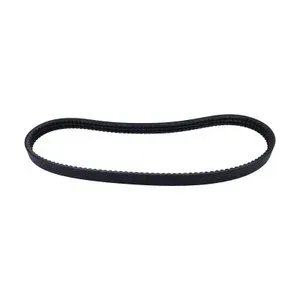
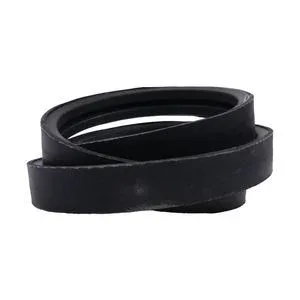
Flat, cogged drive belt with 3 grooves |
| Length |
58.15 inches (1477 mm) |
| Width |
1.19 inches (30.2 mm) |
| Material |
Fiber-loaded backing with additional cord support |
| Condition |
New Aftermarket |
| Warranty |
3–12 months against manufacturing defects |
| MOQ |
1 piece |
| Standard |
ISO 9001 |
Application Suitability
| Engine System |
Related Components |
| Hydraulic Pump Drive |
Tensioner assembly, idler pulley, drive sheave |
| Engine Accessory Drive |
Crankshaft pulley, harmonic balancer interface |
| Cooling System Drive |
Water pump pulley, fan drive hub |
| Auxiliary Power Take-off |
PTO clutch assembly, secondary drive belts |
Root Causes of Repeated Belt Failure in Loader Drive Systems
A snapped belt is rarely the actual problem — it is the symptom of a misaligned or worn drive component.
In my years working around aggregate quarries and demolition zones, I have seen countless skid-steer loaders return to the shop within weeks of a belt replacement. The machine goes back to work, the operator hears a squeal, and the new Drive Pump Belt engine rebuild replacement snaps under load. This cycle of premature failure is almost never caused by the belt itself [NEED_CITE: belt drive system misalignment failure analysis in mobile equipment]. The root cause usually lies in a seized tensioner bearing, a pulley running out of true, or hydraulic pump cavitation creating shock loads that no standard Drive Pump Belt engine rebuild replacement can withstand. Ignoring these adjacent system faults guarantees a second teardown and further unplanned downtime.

The Belt Drive System Context
Replacing this component requires understanding its position within the engine accessory drive. This belt transfers rotational force from the crankshaft directly to the hydraulic pump, managing the high-torque demands of the loader's lift and tilt functions. When planning a Drive Pump Belt engine rebuild replacement, the tensioner and idler pulleys must be evaluated for bearing play and surface wear. A worn tensioner fails to maintain the correct deflection, causing the belt to slip and generate excess heat, which rapidly degrades the fiber-loaded backing.
System-Level Failure Analysis and Rebuild Sequencing
Before installing the new belt, the hydraulic pump drive interface must be inspected for axial play. If the pump bearing is failing, it will wobble the drive sheave, chewing through the 3-groove cogged profile in a matter of hours. Rebuild shops must verify that the pulley sheave groove profile matches the belt dimensions exactly. Installing a new belt over a glazed or nicked pulley creates stress concentrations that lead to cord failure [NEED_CITE: hydraulic pump drive shock load transmission standards]. Addressing the fault that caused the failure, rather than just the failed part, is the only way to ensure reliable operation.
Material Profile and Dimensional Verification
The 58.15-inch length and 1.19-inch width are critical for maintaining the correct wrap angle around the hydraulic pump sheave. The fiber-loaded backing with internal cord reinforcement is designed to resist elongation under the high ambient temperatures typical of urban construction sites. The 3-groove cogged design is not merely for grip; it reduces harmonic resonance and belt deflection during the frequent start-stop cycles of loader operation. If the groove profile is incorrect for the specific machine variant, the belt will ride high in the sheave, leading to rapid edge wear and eventual separation of the cord support structure.
The Hidden Cost of Ignoring Adjacent Drive Components
Fitting a new belt without checking the tensioner spring rate or pulley alignment leads to immediate repeat failures. The machine returns to the site, but the underlying vibration destroys the new component's internal cords. This results in secondary teardowns, wasted labor hours, and compounded equipment downtime. A system-level approach prevents the hidden costs of reactive maintenance and ensures the hydraulic system operates within designed parameters [NEED_CITE: mobile equipment belt drive system lifecycle cost analysis].
Sourcing Matched System Components
Our technical team verifies the exact loader model and serial number to confirm the belt fits the specific drive configuration. We supply the adjacent tensioner and pulley components under the same QC and warranty terms as the belt. Buyers can request a sample for fitment confirmation before committing to a bulk overhaul kit. Cross-reference verification covers superseded numbers, ensuring the correct variant is dispatched. The Guangzhou warehouse maintains stock for fast consolidation of complete engine system repair lists.
Documentation & Verification
- Commercial invoice listing the 6736775 belt and matched tensioner components.
- Cross-reference sheet confirming Bobcat loader compatibility (reference only).
- Dimensional inspection record verifying 58.15-inch length and 3-groove profile.
- Warranty terms covering manufacturing defects for the complete drive kit.
- Packing photographs showing sealed polybag packaging before dispatch.
Installation & Rebuild Sequence
- Verify pulley alignment and tensioner bearing play before routing the 6736775 belt.
- Clean all drive sheaves to remove oil or debris that causes the fiber-loaded backing to slip.
- Apply manufacturer-specified torque to the hydraulic pump mounting bolts to prevent sheave wobble.
- Check belt deflection and groove seating after the initial run-in cycle.
Requesting a System Match
Provide the Bobcat loader model, engine serial number, and any previous rebuild history. This allows our team to confirm the correct Drive Pump Belt engine rebuild replacement and identify any superseded tensioner variants required for your specific machine build.
Frequently Asked Questions
Q: What other belt drive components should I inspect or replace when changing this belt?
A: You must inspect the tensioner assembly for bearing play and spring fatigue, and check the idler and drive pulleys for surface glazing or axial wobble. Replacing the belt without addressing a failing tensioner or misaligned pulley will cause the new belt to fail prematurely under hydraulic load.
Q: How do I confirm this belt fits my specific Bobcat loader model and serial range?
A: Provide the exact machine model and engine serial number. Belt drive configurations can change across production runs, and a superseded part number might not match the current pulley sheave profile. We verify the cross-reference and dimensional fitment before dispatch.
Q: What causes repeated belt failure in skid-steer loaders?
A: Repeated failure usually points to a system fault, such as hydraulic pump cavitation, a seized tensioner bearing, or pulley misalignment. These issues create shock loads and harmonic resonance that destroy the belt's internal cord reinforcement, regardless of the belt's material quality.
Q: Can I get a sample to verify fitment before a bulk overhaul order?
A: Yes, we supply single-piece samples so your rebuild shop can verify the 3-groove profile and length against the existing pulley sheaves. This prevents bulk orders of incorrect variants and ensures the complete drive system mates correctly during the engine overhaul.