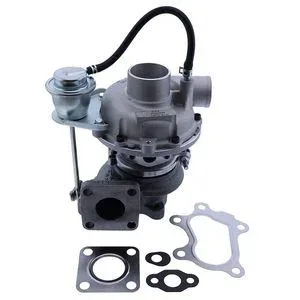
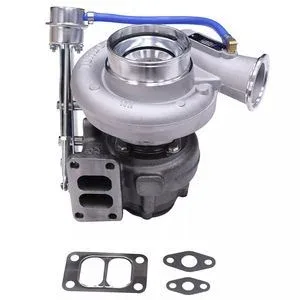
Matched System Supply — Turbocharger, intake seals, and oil feed lines verified against Perkins 404C-22T engine serial before dispatch.
Technical Specifications
| Parameter |
Value |
| Part Number |
SBA135756170 |
| Product Type |
Turbocharger |
| Cross-Reference |
SBA135756170, M87772751, F41CAD-S0057BG, F41CAD-S0057G, 4T-507, VA420057, VB420057, VC40057, VC420057, VD420057, 135756170, 13575-6170, 87772751, 4T507, F41CADS0057B, F41CADS0057 (reference only) |
| Machine Fitment |
New Holland L170, LS170, S55, SL55B |
| Turbo Model |
RHF4-46001P8.5NHBRL323CAZ |
| Engine Fitment |
Perkins 404C-22T, 404D-22T, 404D-22TA; CAT 3024C, C2.2T; Shibaura N844L, N844LT |
| Condition |
New Aftermarket |
| Compressor Wheel Material |
AL7075-T6 aluminum alloy |
| Turbine Housing Material |
GGG40 ductile iron |
| Bearing Type |
Dual ceramic ball bearings |
| Warranty |
6 months against manufacturing defects |
| Standards |
ISO 9001, ISO 4287, ISO 8573-1 Class 2 |
Application Suitability
| Engine System |
Related Components |
| Intake and charge air system |
Intercooler hoses, charge air seals, intake manifold gaskets |
| Lubrication feed to turbo |
Oil feed line, oil return line, oil filter, crankcase breather |
| Exhaust and emission circuit |
Exhaust manifold gasket, exhaust clamp, EGR valve and cooler |
| Engine overhaul (top-end) |
Cylinder head gasket, valve stem seals, injector sleeve seals |
Why Repeat Turbo Failures Keep Happening After Rebuild
The turbo is usually the victim, not the cause.
I spent years watching freshly rebuilt Perkins 404C-22T engines come back to the workshop within weeks of a turbo swap. The new unit would fail with the same symptoms — shaft play, compressor wheel scoring, oil leaking into the intake tract — and the rebuild team would blame the replacement part. The real problem was upstream: restricted oil feed lines, carbon-coked return pipes, or intake leaks that forced the RHF4 turbocharger engine rebuild parts to operate outside design limits. Replacing the turbo without correcting the systemic fault is a cycle that costs workshops time and reputation [NEED_CITE: root cause analysis methodology for turbocharger failures in diesel engines].
The Intake and Exhaust Circuit This Turbo Belongs To
The RHF4 turbocharger sits at the junction of three engine systems: lubrication, intake air, and exhaust gas. On Perkins 404C-22T and 404D-22T platforms, oil is fed from the main gallery through a small-bore line that is vulnerable to sludge buildup, especially on machines that have experienced extended drain intervals or operated in high-dust quarry environments. A new turbo installed on a contaminated feed line will suffer bearing starvation within the first hours of operation.
Matching the Turbo to the Engine Serial Variant
Perkins 404C-22T, 404D-22T, and 404D-22TA share a common block architecture but differ in turbo configuration, wastegate calibration, and mounting geometry. The 404D-22TA variant in particular runs higher boost and may require different gasket thicknesses at the exhaust manifold flange. Confirming the exact engine serial number ensures the RHF4 turbocharger engine rebuild parts supplied match the specific build record, avoiding fitment surprises on the bench [NEED_CITE: Perkins 404 series engine variant identification practices].
What the Material and Bearing Specs Mean in Service
The AL7075-T6 aluminum alloy compressor wheel is selected for its strength-to-weight ratio, allowing rapid spool-up on compact 2.2-liter engines where throttle response matters on compact urban job sites and municipal snow removal routes. The GGG40 ductile iron turbine housing handles the thermal cycling of stop-start operation in port material handling without cracking. Dual ceramic ball bearings reduce friction at turbine speeds up to the design envelope and tolerate brief oil starvation events better than plain journal bearings, though they do not eliminate the need for clean oil supply.

The Cost of Skipping the Adjacent System Check
A workshop that installs a new turbo without replacing the oil feed line, checking the return pipe for carbon blockage, and verifying intake tract sealing will often see the unit back on the bench. The labor cost of a second teardown exceeds the price of the gaskets and hoses that should have been replaced during the first job. On fleet machines working demolition sites or quarry loading, repeat failures compound into significant unplanned downtime across the operating season [NEED_CITE: total cost of repeat turbocharger replacement in fleet maintenance].
Why Source the Full System Here
We produce selected turbocharger lines in our own Guangzhou facility and source the remainder from ISO-certified manufacturing partners — both carry identical QC standards and the same six-month warranty. Eight product categories under one account means the turbocharger, intake gaskets, oil feed lines, and exhaust clamps ship in a single consignment. Minimum order is one piece, so a single emergency turbo or a complete overhaul kit both move through the same process. Our technical team cross-references engine serial numbers against build records to confirm variant fitment before dispatch. Sample units are available for fitment confirmation before bulk commitment on fleet rebuild programs.
Documentation & Verification
- Commercial invoice listing turbocharger part number and cross-reference identifiers (reference only)
- Engine compatibility sheet matching RHF4 variant to Perkins, CAT, and Shibaura serial ranges
- Dimensional inspection record covering flange bolt pattern and oil port alignment
- Warranty terms covering manufacturing defects for six months from delivery
- Packing photographs showing protective caps on compressor inlet and oil ports
- HS code and customs documentation support for international engine parts shipments
Installation & Rebuild Sequence
- Flush oil feed and return lines before installing the RHF4 turbocharger to prevent debris ingestion
- Verify exhaust manifold gasket surface flatness against ISO 4287 Ra requirements
- Prime turbo bearings with clean engine oil through the feed port before first cranking
- Torque turbine housing bolts to engine manufacturer specification in sequence
- Run engine at idle for initial break-in and check all connections for leaks
- Confirm boost pressure and absence of intake tract leaks under loaded operation
Inquire With Your Engine Details
Provide the engine model, serial number, and any previous rebuild history so we can confirm the correct RHF4 turbocharger engine rebuild parts variant and identify which adjacent components should be included in your overhaul kit.
Frequently Asked Questions
Q: What else should I replace when installing a new turbocharger on a Perkins 404C-22T?
A: Replace the oil feed line, oil return hose, intake manifold gasket, exhaust manifold gasket, and turbo oil drain gasket as a minimum. Check the crankcase breather for restriction, as excessive crankcase pressure forces oil past turbo seals. On high-hour engines, consider the intercooler hoses and charge air seals to prevent boost leaks that force the turbo to overspeed.
Q: How do I confirm the correct turbo variant for my engine serial number?
A: The Perkins 404 series includes multiple turbo configurations across 404C-22T, 404D-22T, and 404D-22TA variants. Provide your engine serial number and build plate details so we can verify mounting flange pattern, wastegate calibration, and oil port orientation against the specific engine build record and cross-reference table.
Q: Can I order a complete intake and lubrication kit with this turbocharger?
A: Yes. We supply matched gasket sets, oil feed and return lines, intake seals, and exhaust clamps alongside the turbocharger under one order. Consolidating these into a single consignment eliminates split freight and ensures all components arrive together, which matters when the engine is already on the bench awaiting parts.
Q: What engine faults cause premature turbocharger failure on these platforms?
A: Restricted oil feed lines, carbon-blocked oil return pipes, excessive crankcase pressure from worn piston rings, and intake air leaks downstream of the compressor all destroy turbos prematurely. Diagnosing and correcting these faults during installation prevents the new unit from suffering the same failure mode within weeks [NEED_CITE: diesel engine lubrication system contamination and turbocharger bearing failure].
Q: How do I verify cross-reference numbers across different engine generations?
A: OEM part numbers are superseded across engine generations, and aftermarket listings sometimes carry forward errors. We verify each cross-reference number against engine build records rather than relying on copied tables. Submit the old part number, engine serial, and any visible markings on the turbo nameplate for confirmation before ordering.