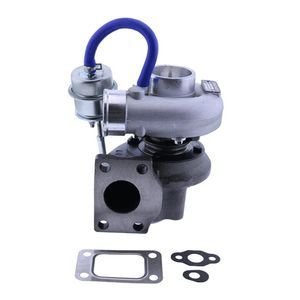
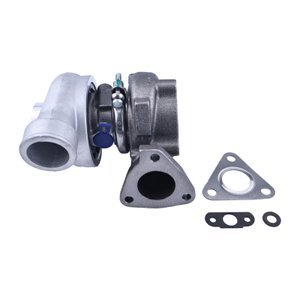
Engine Sequence Variants Confirmed — Cummins 6BTAM and 6BTA 5.9 families carry distinct turbo mounting configurations, so every HX40 Turbocharger engine rebuild replacement order starts with serial-level verification before dispatch.
Technical Specifications
| Parameter |
Value |
| Part Number |
3536620 |
| Product Type |
Turbocharger |
| Cross-Reference |
3536620, 3536621, 3536621H, 3802829, 380282900, 3802829NX, 3802829RX, 4089816 (reference only) |
| Machine Fitment |
Cummins 6BTAM, 6BTA 5.9, 6B5.9 |
| Turbo Model |
HX40M, HX40-L8294T/J16S3, HX40 |
| Compatible Engine Brand |
Cummins |
| Condition |
New Aftermarket |
| Warranty |
3–12 months against manufacturing defects |
| Minimum Order Quantity |
1 piece |
| Manufacturing Standard |
ISO 9001 |
Application Suitability
| Engine System |
Related Components |
| Intake and forced induction |
Air intake seals, intake manifold gaskets, charge air cooler hoses |
| Lubrication feed to turbo |
Oil supply line, oil drain pipe, oil filter element |
| Exhaust gas routing |
Exhaust manifold gaskets, manifold studs and nuts, heat shielding |
| Engine overhaul kit |
Piston rings, cylinder liners, main and rod bearings, full gasket set |
Why the Root Cause Matters More Than the Replacement Part
Fitting a new HX40 Turbocharger engine rebuild replacement without diagnosing what destroyed the old unit means the replacement will fail from the same fault within weeks.
In my years matching parts to engines across the Pearl River Delta warehouse network, the most expensive mistake I have watched shops repeat is treating a turbo failure as an isolated event. Oil starvation from a blocked feed line, foreign object ingestion through a split intake hose, or exhaust gas temperature overrun from a worn injector — each of these kills a turbocharger, and none of them is solved by the new part alone [NEED_CITE: common root causes of turbocharger failure in marine diesel engines]. An HX40 Turbocharger engine rebuild replacement that arrives without the matching gaskets, oil line seals, and exhaust manifold hardware turns a single repair into two separate orders and two rounds of freight charges.

System-Level Thinking for Turbocharger Service
The turbocharger does not operate in isolation — it sits between the lubrication circuit, the intake tract, and the exhaust manifold of the Cummins 6BTA 5.9 marine engine. When an HX40 Turbocharger engine rebuild replacement is specified, the oil feed and drain lines must be inspected for carbon buildup that restricts flow, because even partial restriction starves the floating bearing inside the center housing. Air intake seals and charge air cooler connections need renewal at the same service interval, since a leaking joint allows unfiltered salt air into the compressor wheel. Addressing the full intake-to-exhaust path during turbo service prevents the root cause from destroying the next unit.
Serial Variants and Mounting Differences Within the 6BTA Family
Cummins 6BTAM and 6BTA 5.9 engines span production runs from 1995 through 2006, and turbo mounting configurations shifted across those years. The same base HX40 designation covers variants such as HX40M and HX40-L8294T/J16S3, which differ in compressor housing orientation, oil port position, and exhaust inlet flange geometry [NEED_CITE: Cummins 6BTA 5.9 turbo mounting variant differences across serial ranges]. Ordering without confirming the engine serial number risks receiving a unit whose oil drain port faces the wrong direction for the existing drain pipe routing. Cross-reference verification against 3536620, 3536621, or 3802829 (reference only) must include the specific serial to catch these variant-level mismatches before the turbo leaves the warehouse.
Decoding the Specifications That Define Fitment and Durability
The HX40M turbo model designation tells a rebuild shop the compressor and turbine wheel geometry: an 82-mm turbine wheel paired with a J16S3 compressor trim, engineered for the airflow and exhaust energy characteristics of the 5.9-liter displacement range. The marine-specific corrosion-resistant coating on the compressor housing addresses continuous saltwater exposure on commercial fishing boats and coastal vessels — without it, housing corrosion begins within months in a marine engine room environment. The ISO 9001 manufacturing standard ensures dimensional control on the center housing bore, journal bearing clearances, and V-band or flange interfaces that must mate with existing exhaust and intake plumbing. An HX40 Turbocharger engine rebuild replacement that meets these specifications but skips the rotational balance test will vibrate at operating speed, accelerating bearing wear and producing audible whine long before failure.
The Hidden Cost of Skipping System Diagnostics
A shop that replaces the turbo without pulling the oil feed line for inspection may find the new unit failing from the same contaminated oil supply within a short operating period. When the exhaust manifold gaskets are reused because they were not on the order list, a leak at the turbine inlet changes back-pressure dynamics and pushes exhaust gas temperatures higher than the new turbo is rated to handle [NEED_CITE: effect of exhaust manifold leaks on turbocharger turbine inlet temperature]. These compounding oversights turn a single-component repair into a pattern of repeat failures, each one adding unplanned vessel downtime and eroding customer confidence in the rebuild shop's work.
Why Source This Turbocharger Through XUNPO
Own production on selected turbocharger lines and qualified sourced supply carry the same quality control and warranty terms, so buyers receive consistent coverage regardless of which facility built the unit. Eight product categories under one account mean the turbocharger ships alongside the gasket set, oil filter, and exhaust hardware in a single consignment — no second order, no split freight. Minimum order of one piece supports emergency marine repairs where a single vessel is down and the overhaul kit is not yet justified. Guangzhou warehouse stock on common HX40 variants enables fast dispatch when the vessel schedule does not allow a multi-week lead time. Part identification from the engine serial number, a photograph of the nameplate, or the existing turbo part number ensures the correct variant ships, and cross-reference verification covers superseded numbers like 3802829RX and 4089816 (reference only). Technical support confirms compatibility and marine-duty grade before the order is finalized.
Documentation & Verification
- Commercial invoice and packing list with HX40 variant and serial-level fitment noted
- Cross-reference sheet mapping 3536620, 3802829, and superseded numbers (reference only)
- Quality inspection record covering boost pressure, oil flow path, and rotational balance
- Warranty terms specifying coverage for marine-duty operating conditions
- Packing photographs showing turbo housing coating condition and port orientation before crating
- HS code and customs documentation support for international marine parts shipments
Installation & Rebuild Sequence
- Flush oil feed and drain lines before connecting the new HX40 center housing to prevent debris ingestion
- Verify exhaust manifold stud condition and torque sequence before mating the turbine inlet flange
- Prime the turbo oil gallery with clean engine oil before first cranking to avoid dry-start bearing damage
- Replace intake tract seals and charge air hoses as a matched set during turbo installation
- Confirm wastegate actuator setting and boost pressure on initial sea trial after rebuild
Preparing Your Inquiry
Provide the engine model, serial number, and any previous overhaul history so the correct HX40 variant is confirmed against the existing mounting configuration. Share the current turbo part number or a photograph of the nameplate if the original tag is still legible. Indicate whether installation gaskets, oil line seals, and exhaust hardware are needed in the same shipment or already on hand at the rebuild facility.
Frequently Asked Questions
Q: What other components should be replaced together with the turbocharger during engine service?
A: Oil feed and drain line seals, exhaust manifold gaskets, intake tract connections, and the oil filter element should all be renewed during turbocharger service. Reusing aged seals introduces leak paths that alter oil pressure and exhaust back-pressure, both of which affect turbo longevity. Sourcing these as a matched set with the HX40 unit ensures compatible materials and eliminates a second order.
Q: How do I confirm which HX40 variant fits my specific Cummins engine serial number?
A: Provide the full engine serial number and the existing turbo part number so cross-reference verification can distinguish between HX40M, HX40-L8294T/J16S3, and other variants. Mounting flange geometry, oil port orientation, and compressor housing clocking differ across the 6BTAM and 6BTA 5.9 serial ranges, and only serial-level matching catches these differences before shipment.
Q: What caused my previous turbo to fail, and how do I prevent it happening again?
A: Common root causes include oil starvation from blocked feed lines, foreign object ingestion through damaged intake hoses, and exhaust gas temperature overrun from injector wear. Diagnosing the specific cause before fitting the replacement turbocharger is essential. Request a system-level inspection checklist covering oil flow, intake integrity, and exhaust condition as part of the rebuild process.
Q: Are installation gaskets and oil seals included, or sourced separately?
A: Installation gaskets and oil line seals can be supplied together with the turbocharger in one consignment. Confirm at inquiry whether the turbo kit includes these items or whether they need to be added as separate line items. Shipping them together avoids delays caused by a missing seal discovered mid-assembly.
Q: How do I verify the turbo has been tested for marine operating conditions before shipment?
A: Request the quality inspection record, which covers boost pressure verification, oil flow path testing, and rotational balance at operating speed. The corrosion-resistant coating on the compressor housing is inspected visually and documented before packing. These records confirm the unit was validated under conditions relevant to marine diesel service.