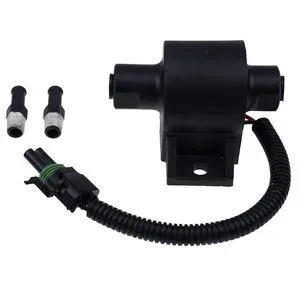
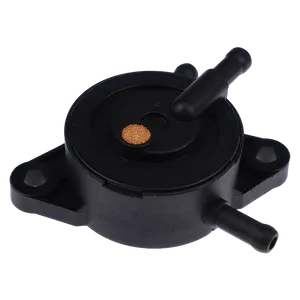
System-Level Matching — Each 12V fuel pump is verified against the specific APU engine serial to prevent variant mismatch before dispatch.
Technical Specifications
| Parameter |
Value |
| Part Number |
42-989/42-1762 |
| Product Type |
Fuel Pump |
| Cross-Reference |
42-989, 42-1762, 421762, 42989, 420989, 42-0989, TK-42-989, TK42989 (reference only) |
| Machine Fitment |
Tripac APU, Tri-Pac Evolution |
| Voltage |
12V |
| Housing Material |
Aluminum alloy |
| Diaphragm Material |
NBR (nitrile rubber) |
| IP Rating |
IP65 |
| Port Tolerance |
±0.1 mm |
| Operating Temperature |
-20°C to 55°C (ambient), up to 100°C (internal thermal resistance) |
| Condition |
New Aftermarket |
| Warranty |
6 months against manufacturing defects |
| MOQ |
1 piece |
| Standard |
ISO 9001 |
Application Suitability
| Engine System |
Related Components |
| APU diesel combustion circuit |
Fuel filter, fuel lines, electrical connector |
| Continuous-duty fuel metering |
Fuel pressure regulator, inline strainer |
| Scheduled fuel system overhaul |
Complete seal kit, mounting gasket |
| Fleet preventive maintenance program |
Spare fuel pump, filter element, relay |
Why Replacing Only the Pump Often Leads to a Second Shutdown
A failed pump is rarely the root cause — it is the final link in a chain of fuel system degradation.
In our years supporting fuel systems across the Pearl River Delta logistics corridors, we have documented numerous cases where a brand-new 12V Fuel Pump 42-989 42-1762 replacement for Thermo King Tripac APU engine system was installed, only to fail again within weeks. The pattern is almost always the same: contaminated fuel lines, a clogged upstream filter, or a corroded electrical connector that caused the original pump to work beyond its design limits. [NEED_CITE: diesel fuel system contamination effects on diaphragm pump service life]
The cost of a second teardown, a second round of downtime, and a second diagnostic session far exceeds the cost of inspecting and replacing the adjacent components during the first repair. Yet procurement lists frequently omit these related items because they are treated as separate SKUs from separate suppliers. When the complete fuel delivery circuit is addressed as a single system, repeat failures drop significantly.

The Fuel Delivery Circuit as a Connected System
This 12V fuel pump sits at the heart of the APU diesel combustion circuit. It draws fuel from the tank, pressurizes it through the filter, and delivers metered flow to the injector. Every component upstream and downstream directly affects pump loading and service life. A restricted filter forces the diaphragm to work against higher vacuum, accelerating fatigue. A leaking fuel line introduces air, causing cavitation that erodes internal surfaces. Treating the 12V Fuel Pump 42-989 42-1762 replacement for Thermo King Tripac APU engine system as an isolated swap ignores these system interactions.
Matching the Pump to Engine Build Variants
Thermo King Tripac APU and Tri-Pac Evolution units have gone through multiple production revisions. Port thread standards, connector pin layouts, and mounting bracket geometry can differ between build years even when the base reference number remains unchanged. We have encountered situations where a pump ordered under a universal part number arrived with incompatible thread pitch, forcing the unit to sit idle while a correct variant was sourced. [NEED_CITE: APU fuel system variant differences across production serial ranges]
Before confirming any order, we verify the specific APU engine serial number and cross-check port configuration, connector type, and mounting pattern. This step eliminates the most common cause of fitment rejection and ensures the 12V Fuel Pump 42-989 42-1762 replacement for Thermo King Tripac APU engine system drops in without adapter modification.
Material and Rating Decisions That Affect Field Performance
The NBR diaphragm is selected for its resistance to diesel fuel swelling and thermal breakdown at sustained operating temperatures. In environments where ambient conditions regularly approach the upper limit, verifying fuel grade compatibility becomes important — certain biodiesel blends can accelerate nitrile rubber degradation over extended exposure. The aluminum alloy housing dissipates heat from the motor winding, keeping internal temperatures within the rated 100°C threshold even during continuous-duty operation in port logistics or over-the-road freight applications.
The IP65 rating on electrical contacts addresses a failure mode we see repeatedly in humid coastal environments: moisture ingress through compromised connector seals causes intermittent operation that is difficult to diagnose. A pump that appears to fail randomly often has corroded contacts rather than internal mechanical damage. [NEED_CITE: IP rating requirements for mobile equipment electrical components in marine environments]
The ±0.1 mm port tolerance ensures direct mating with existing fuel line fittings originally equipped with 42-989 or 42-1762 references, removing the need for field machining or adapter fabrication.
The Hidden Cost of Skipping System-Level Inspection
When a fuel pump is replaced without inspecting the filter element, fuel lines, and electrical harness, the original failure mechanism remains active. Contaminants that destroyed the first pump continue circulating. A voltage drop from a corroded connector starves the replacement pump of proper current, causing it to overheat. These secondary failures are not warranty claims — they are installation-context failures that could have been prevented with a complete system review. [NEED_CITE: root cause analysis methodology for mobile diesel fuel system repeat failures]
In fleet operations running multiple Tripac units, this pattern compounds. A reactive approach that swaps pumps one at a time without addressing system conditions leads to a cycle of repeat purchases and unplanned downtime that disrupts dispatch schedules.
What Makes Sourcing Through This Channel Different
Our production lines and qualified sourced supply operate under one account with identical quality control and warranty terms, so whether a fuel system component is self-manufactured or sourced, the coverage remains consistent. Eight product categories mean a complete fuel system overhaul kit — pump, filter, seals, connectors — ships as one consignment under one tracking number.
Minimum order starts from a single piece, which matters when one APU is down and the fleet cannot wait for bulk thresholds. Our Guangzhou warehouse maintains stock on common fast-failure items for rapid dispatch. Part identification is supported from a part number, machine model, photograph, or nameplate image, and our cross-reference verification covers superseded and alternate numbers including those that have been discontinued. [NEED_CITE: aftermarket cross-reference verification standards for mobile equipment parts]
Sample supply is available for fitment confirmation before bulk commitment, and our technical team assists with compatibility and grade confirmation specific to your engine build variant.
Documentation & Verification
- Commercial invoice and packing list with individual fuel pump serial traceability
- Part compatibility and cross-reference sheet marked as reference only for 42-989 and 42-1762
- Quality inspection record covering voltage response, flow volume, and pressure hold test
- Warranty terms specifying 6-month coverage scope and replacement conditions
- Packing photographs documenting pump condition and port protection before crate closure
- HS code and customs documentation support for international fuel system component shipments
Installation & Rebuild Sequence
- Flush fuel lines and replace inline filter element before connecting the new pump to prevent contaminant ingestion
- Verify electrical connector pin condition and apply dielectric grease to prevent moisture-related intermittent faults
- Confirm port thread engagement by hand before applying torque to avoid cross-threading on aluminum fittings
- Bleed air from the fuel circuit after installation and run the APU under light load for initial break-in verification
- Check for external leaks at both port connections and the mounting gasket interface after the first operational cycle
Requesting a System-Matched Quote
Provide your APU engine model, serial number, and any available photographs of the existing pump and its electrical connector. If the unit has undergone previous fuel system work, note any filter or line replacements already performed. This information allows us to confirm variant compatibility and recommend which adjacent components should be included in the same shipment to avoid a second downtime event.
Frequently Asked Questions
Q: What other fuel system components should be replaced together with this pump?
A: We recommend inspecting and typically replacing the fuel filter element, checking fuel line integrity for cracks or swelling, and verifying the electrical connector for corrosion. These components directly affect pump loading and service life. Addressing them together during one service event prevents the original failure cause from destroying the replacement pump within weeks.
Q: How do I confirm the correct fuel pump variant for my specific Tripac APU engine serial?
A: Provide the APU engine serial number and, if possible, photographs of the existing pump ports and electrical connector. Port thread pitch, connector pin layout, and mounting bracket geometry can vary across production runs even under the same base reference number. We verify these details against our cross-reference database before confirming shipment.
Q: What root causes in the fuel system lead to premature pump failure?
A: The most common causes are contaminated fuel from degraded lines, a restricted upstream filter forcing the diaphragm to operate under excessive vacuum, and moisture ingress through compromised electrical connector seals. Each of these conditions can be identified during a system-level inspection and corrected simultaneously with pump replacement.
Q: Is this pump compatible with both Tripac APU and Tri-Pac Evolution fuel systems?
A: The pump covers both platforms, but variant differences exist within each model family across production years. Engine serial verification is required to confirm port configuration, connector type, and mounting pattern match your specific unit. We perform this check before every dispatch to ensure direct fitment without adapters.
Q: How do I verify the fuel system electrical connector type before ordering?
A: Photograph the connector on your existing pump from multiple angles showing pin count, housing shape, and any locking mechanism. Connector configurations have changed across Tripac production runs. These images, combined with your engine serial number, allow us to match the correct variant and avoid receiving a pump with an incompatible plug.