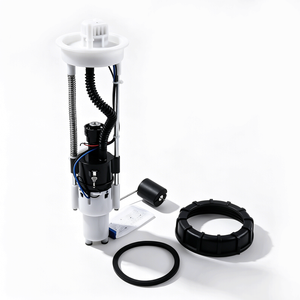
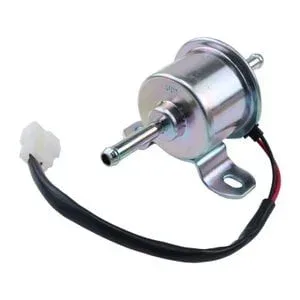
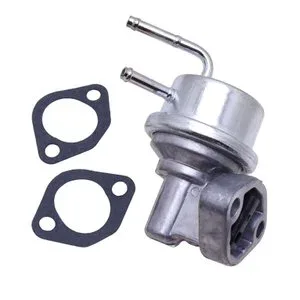
Matched Sets Shipped — This 12V Fuel Pump 42-989 for Thermo King Tripac APU is verified against engine serial variants before dispatch, with adjacent fuel system components staged for consolidated rebuild supply.
Technical Specifications
| Parameter |
Value |
| Part Number |
42-989 |
| Product Type |
Fuel Pump |
| Cross-Reference (reference only) |
42-0989, 42-1762, 42989, 420989, 421762, TK-42-989, TK42989 |
| Machine Fitment |
Thermo King Tripac APU, Tri-Pac Evolution |
| Voltage |
12V |
| Condition |
New Aftermarket |
| Standards |
ISO |
| Warranty |
3-12 months against manufacturing defects |
Application Suitability
| Engine System |
Related Components |
| APU Fuel Delivery |
Fuel filter assembly, fuel lines, return fittings |
| Cab Heating & Cooling Auxiliary Power |
Fuel system gaskets, injector supply lines |
| Parked Climate Control Power Unit |
Tank-side strainer, electrical harness connector |
Rebuild Shops Receiving the Pump but Not the Seals
A fuel pump swap without checking the upstream filter and downstream injector condition often leads to a second failure within weeks — the root cause was never addressed. When sourcing a 12V Fuel Pump for Thermo King Tripac APU engine rebuild replacement, the focus must remain on the entire fuel circuit rather than the isolated component.
Premature pump failures frequently trace back to contaminated fuel or clogged filters, meaning the replacement part inherits the same hostile operating environment that destroyed the original. Rebuild shops that treat the pump as a standalone repair often see the machine return within a short period [NEED_CITE: diesel fuel contamination standards for auxiliary power units]. Addressing the fault, not just the failed part, requires evaluating every component between the tank and the APU engine block before the new pump is installed.

The Fuel Circuit Context for This Pump
This 12V fuel pump sits between the tank supply and the APU engine, pushing fuel through the filter and into the injection system. When a 12V Fuel Pump for Thermo King Tripac APU engine rebuild replacement is ordered, the adjacent fuel filter, supply lines, and return fittings should be evaluated as part of the same repair event. A worn supply hose or degraded tank-side strainer introduces the exact particulate contamination that accelerates pump wear, making the new installation vulnerable from day one.
Sequencing the Fuel System Overhaul
Before committing to the pump replacement, confirm whether the overhaul kit includes fuel system seals and gaskets specific to the APU engine build variant. Previous rebuilds may have introduced non-standard fittings or altered line routing, and the new pump must interface correctly with whatever configuration exists on the bench today. The electrical connector type must also match the APU harness to avoid field modifications that introduce resistance and voltage drop [NEED_CITE: APU electrical harness connector compatibility standards]. Coordinated sourcing means the entire fuel system job ships under one account with one warranty.
Voltage, Pressure, and Connector Alignment
The 12V rating must be verified against the specific Tripac electrical architecture, as voltage drop across corroded harness pins can mimic pump failure. The pump's output pressure and flow characteristics are matched to the APU injector requirements; substituting a pump with different internal geometry disrupts the fuel metering the engine calibration expects. The connector pin count and locking mechanism must be physically compared against the existing harness before installation proceeds, ensuring the replacement integrates without adapter wiring that could fail under vibration.
The Repeat Failure That Was Never About the Pump
Installing a new fuel pump into a system with a bypassed filter or degraded return line almost guarantees a callback. The contamination that destroyed the first pump circulates freely into the second, and the repair reputation takes the hit rather than the component supplier. Shops that skip the system-level inspection absorb the cost of repeat teardowns, wasted labor hours, and frustrated fleet operators who lose confidence in the overhaul quality [NEED_CITE: auxiliary power unit fuel system diagnostic procedures].
System-Level Supply From One Source
Own production on selected fuel system lines plus qualified sourced supply means this pump and its associated components carry the same quality control and warranty terms. Eight categories of parts ship under one account, so a complete APU fuel system overhaul arrives as a single consignment rather than staggered deliveries from multiple vendors. Guangzhou warehouse stock enables fast dispatch on common items, while part identification proceeds from number, machine model, photograph, or nameplate image. Cross-reference verification covers superseded and alternate numbers to confirm the correct variant before the order is finalized, and sample supply is available for fitment confirmation before bulk commitment.
Documentation & Verification
- Commercial invoice and packing list referencing fuel pump part number and APU engine compatibility
- Cross-reference sheet mapping 42-989, 42-1762, and alternate numbers (reference only)
- Inspection record covering flow rate and pressure stability testing before dispatch
- Warranty terms specifying system-level defect coverage for matched component sets
- Packing photographs documenting pump condition and connector integrity at shipment
- HS code and customs documentation support for international APU parts consignments
Installation & Rebuild Sequence
- Flush fuel supply lines and replace inline filter before connecting the new 42-989 pump
- Verify 12V harness connector pin alignment and locking tab condition against the pump receptacle
- Confirm fuel flow direction markings match the supply-to-engine routing on the APU chassis
- Prime the system and check for leaks at all fittings before initiating the first APU start cycle
- Monitor pump noise and system pressure during initial run-in to confirm stable fuel delivery
Requesting a Matched Set Quote
Provide the Thermo King APU engine model, serial number, and any available rebuild history so the correct fuel pump variant and associated seals can be confirmed. If the existing pump label is illegible, a photograph of the unit, its connector, and the engine nameplate enables cross-reference verification. Specify whether adjacent fuel system components such as filters, lines, or gaskets should be included in the same quote.
Frequently Asked Questions
Q: What other fuel system parts should be replaced alongside this pump?
A: The fuel filter, supply line fittings, return hose, and tank-side strainer should all be inspected and typically renewed during pump replacement. Gaskets and seals specific to the APU engine build variant must also be included. Replacing the pump without addressing these adjacent components risks introducing the same contamination that caused the original failure.
Q: Does the Tri-Pac Evolution use the same fuel pump as the original Tripac APU?
A: The Tri-Pac Evolution shares the same fuel pump cross-reference numbers, but engine serial variants and harness connector configurations can differ between generations. Confirming the specific APU serial number and photographing the existing connector ensures the correct variant ships. Our cross-reference verification covers both Tripac and Evolution designations.
Q: How do I confirm the correct variant if the APU has been rebuilt previously?
A: A previous rebuild may have introduced non-standard fittings or altered line routing. Provide the current pump photograph, engine serial number, and any available rebuild documentation. We verify the cross-reference against the actual configuration on the bench, not just the original factory specification, ensuring the replacement interfaces correctly with the existing setup.
Q: What typically causes this pump to fail, and how is repeat failure prevented?
A: Premature failure most commonly traces to contaminated fuel, clogged filters, or degraded supply lines introducing particulate matter. Prevention requires replacing the filter, flushing the lines, and inspecting the tank-side strainer during every pump swap. Addressing the system root cause rather than replacing only the failed component eliminates the condition that destroyed the original pump.
Q: Can I receive a sample to verify fitment before a bulk order?
A: Yes, sample supply is available for fitment confirmation before committing to larger quantities. The sample allows your rebuild team to verify physical dimensions, connector type, and port orientation against the specific APU engine build on the bench. This step eliminates the risk of bulk orders arriving with variant mismatches.