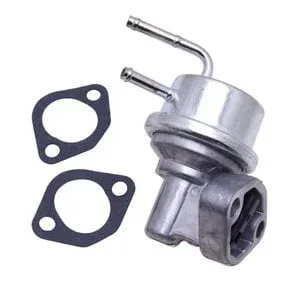
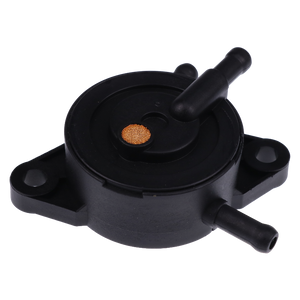
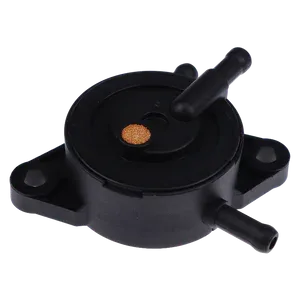
Matched Sets Dispatch — fuel system components verified against 6068 engine serial variants before consolidation.
Technical Specifications
| Parameter |
Value |
| Part Number |
RE68345 |
| Product Type |
Fuel Pump |
| Cross-Reference |
RE68345 (reference only) |
| Machine Fitment |
3029, 4039, 4045, 6068, 5085M, 5095M, 5095MH, 5105M, 5105ML, 6400SP, 6403, 6603, 7210, 7405, 7410, 7500, 7510, 7610, 7710, 7810, 324H, 344H, 670C, 670CH, 672CH, L512, L514, L524, L534, 3200, 3215, 3400, 3415, 3800, 1165, 1175, 1175H, 1450, 1170, 2254, 2256, 2258, 1010D, 810D, 770D |
| Condition |
New Aftermarket |
| Warranty |
3-12 months against manufacturing defects |
| Engine Compatibility |
3029, 4039, 4045, 6068 engine series |
| Manufacturing Standard |
ISO 9001 |
Application Suitability
| Engine System |
Related Components |
| Fuel Delivery (6068) |
Injectors, nozzles, fuel lines, primary and secondary filters |
| Fuel Delivery (4045) |
Transfer pump seals, injector return lines, gasket sets |
| Fuel Delivery (3029/4039) |
Mechanical governor linkages, fuel shut-off solenoids |
| Complete Overhaul |
Full fuel system kits matched to engine serial range |
Why a New Pump Fails Weeks After Installation
Contamination left in the fuel lines destroys the replacement pump before it reaches operating temperature.
I spent years watching 6068 engines come back to the bench with scored pump housings and seized plungers. The pattern is consistent: a fuel pump is swapped out, the machine runs for a few hundred hours, then loses pressure again. The teardown reveals metallic debris embedded in the pump internals — debris that was never flushed from the lines when the first pump failed. [NEED_CITE: fuel system contamination failure analysis in off-highway diesel engines] Addressing the root cause means replacing the matched filtration components and inspecting injector nozzles for the same damage pattern. This Fuel Pump RE68345 engine rebuild approach prevents the cycle from repeating.

Fuel System Adjacency and Matched Rebuild
A fuel pump does not operate in isolation. The RE68345 sits within a pressurized delivery circuit that includes injectors calibrated to specific opening pressures, fuel lines that may have accumulated internal corrosion, and filters rated to specific micron thresholds. When you replace the pump without inspecting the downstream components, any contamination that killed the original unit is still circulating. For 4045 and 6068 applications, this means pairing the pump replacement with a full filter set and verifying injector spray patterns before reassembly.
Engine Serial Variants and Internal Fitment
The 3029, 4039, 4045, and 6068 engine families share architectural similarities but differ in internal fuel system geometry across serial ranges. A pump that physically bolts to the block may still deliver incorrect volume or pressure if the internal cam profile or plunger diameter does not match the specific engine build. Confirming the engine serial number before ordering eliminates the risk of receiving a unit configured for a different displacement or governor setting. [NEED_CITE: engine serial variant impact on fuel delivery component compatibility] This verification step is critical for fleet operators running mixed serial ranges across 5M and 7010-series tractors.
Reading the Specifications for Actual Use
The ISO 9001 manufacturing standard ensures dimensional consistency across production batches, but the practical specification that matters most is engine series compatibility. The 6068 engine, common in 7410 and 7810 tractors, requires a pump configured for its specific injection timing and volume demand. The 3-12 month warranty covers manufacturing defects but does not extend to damage caused by upstream contamination or incorrect installation torque. Understanding that Condition: New Aftermarket means a freshly manufactured unit built to cross-reference specifications — not a remanufactured core — sets correct expectations for internal tolerances and break-in procedures.
The Cost of Skipping Root-Cause Analysis
Replacing a failed pump without investigating why it failed leads to predictable outcomes. The new unit ingests whatever debris or water contamination destroyed its predecessor, and the machine returns to the shop within weeks. This pattern wastes labor hours, consumes warranty coverage, and erodes confidence in the parts supply chain. [NEED_CITE: diagnostic protocols for repeated fuel system component failures] For 6068 engines in agricultural harvesting or forwarder operations, unplanned downtime during critical windows carries consequences that extend far beyond the parts invoice.
Supply Chain Built Around System Rebuilds
The RE68345 is available as a single unit or as part of a consolidated fuel system kit that includes injectors, gaskets, and filters matched to your specific engine serial range. Our technical team verifies cross-reference accuracy against superseded numbers before confirming the order. Sample units are available for fitment confirmation before you commit to fleet-level quantities. All units ship with dimensional inspection records and are covered under the same warranty terms regardless of whether they come from our own production lines or qualified manufacturing partners. [NEED_CITE: aftermarket fuel system component sourcing and quality verification]
Documentation & Verification
- Commercial invoice listing RE68345 with cross-reference notation for customs clearance
- Compatibility sheet confirming engine serial range fitment for 3029/4039/4045/6068
- Dimensional inspection record documenting port spacing and mounting pattern
- Warranty certificate specifying 3-12 month coverage terms and claim procedures
- Packing photographs showing individual unit protection before crate closure
Installation & Rebuild Sequence
- Flush all fuel lines and verify tank cleanliness before mounting the RE68345
- Replace primary and secondary fuel filters concurrently to protect the new pump
- Verify injector opening pressures match engine serial range specifications
- Torque mounting bolts to manufacturer sequence to prevent housing distortion
- Prime the system and bleed air before attempting first start to prevent dry-run damage
Requesting a System-Matched Quote
Provide your engine model, serial number, and any previous rebuild history so we can confirm the correct internal configuration. If you are planning a complete fuel system refresh rather than a single-component swap, include your full machine model list so we can consolidate matched components into one shipment. This information allows us to verify compatibility before you commit.
Frequently Asked Questions
Q: What other fuel system components should be replaced together with this pump?
A: Injector nozzles, fuel filters (primary and secondary), fuel line seals, and return line check valves should all be inspected and typically replaced during a pump swap. Leaving contaminated filters or damaged injectors in place exposes the new RE68345 to the same failure mode that destroyed the original unit. We can quote these as a matched kit if you provide your engine serial number.
Q: Do different 3029/4039/4045/6068 engine serial ranges use different pump variants?
A: Yes. Internal plunger diameter, cam profile, and governor linkage geometry can vary across serial ranges within the same engine family. A pump that physically bolts to the block may still deliver incorrect fuel volume. Providing your engine serial number allows us to verify the internal configuration matches your specific build before shipping.
Q: Can I order a complete fuel system overhaul kit with this pump included?
A: Yes. We assemble matched kits that include the pump, injectors, gaskets, seals, and filters sized to your engine serial range. This approach eliminates the risk of receiving components from multiple suppliers with mismatched lead times. Request a quote with your engine model and serial number to receive a consolidated kit proposal.
Q: What caused the original pump to fail, and which adjacent parts should I inspect?
A: Common causes include fuel contamination from degraded tank linings, water intrusion through damaged breather caps, or metallic debris from failing injectors circulating back through the return lines. Inspect fuel filters for embedded particles, check injector spray patterns, and flush all lines before installing the replacement. Skipping this investigation typically results in premature failure of the new unit.