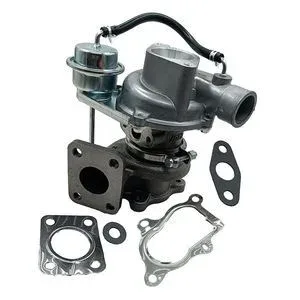
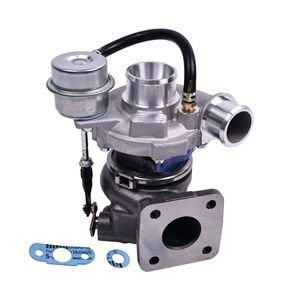
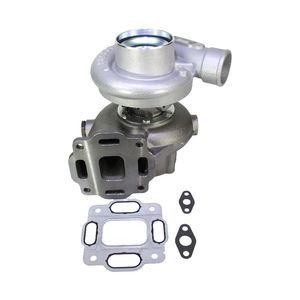
Engine Serial Variants Verified — Every turbocharger shipment includes a cross-reference sheet matching your engine build, preventing wrong-variant installation.
Technical Specifications
| Parameter |
Value |
| Part Number |
1J716-17010 |
| Product Type |
Turbocharger |
| Cross-Reference |
1J71617010 (reference only) |
| Machine Fitment |
SVL65-2, SVL65-2C |
| Brand Compatibility |
KUBOTA |
| Condition |
New Aftermarket |
| Warranty |
3-12 months against manufacturing defects |
| MOQ |
1 piece |
| Factory Certification |
ISO 9001 |
Application Suitability
| Engine System |
Related Components |
| Intake & Forced Induction |
Exhaust manifold gaskets, intake seals, oil feed lines |
| Emission & Exhaust |
Oil return lines, air filtration elements, boost sensors |
| Engine Overhaul |
Complete rebuild kit with turbo-specific seals and fasteners |
| Scheduled Maintenance |
Inspection of turbine play, wastegate function, and shaft seals |
Why Repeat Turbocharger Failures Trace Back to the System, Not the Part
A replacement turbocharger that fails within months usually points to an unresolved oil starvation fault or unmetered air leak in the adjacent system.
I have seen Kubota SVL65-2 compact track loaders come back into the workshop with black smoke and shaft play just weeks after a fresh turbocharger engine rebuild replacement for Kubota SVL65-2 was installed. The mechanic swapped the unit, tightened the bolts, and sent the machine back to the site. Nobody checked the oil feed line for internal collapse or verified that the air intake ducting downstream of the filter was completely sealed. The new unit ingested dust or starved for lubrication, and the failure cycle restarted [NEED_CITE: turbocharger failure root cause analysis in compact diesel engines]. Diagnosing the turbine wheel damage pattern before ordering the replacement part is the step that separates a lasting repair from a recurring comeback.

Matching the Turbocharger to the Intake and Lubrication Circuit
This turbocharger operates within a tightly coupled system. Compressor output depends on clean, unrestricted airflow from the air cleaner assembly through sealed intake piping. The turbine side depends on correct exhaust gas routing through an intact manifold with properly torqued gaskets. When one component in this chain is compromised, the turbocharger engine rebuild replacement for Kubota SVL65-2 absorbs the consequence — usually in the form of bearing wear from contaminated oil or impeller erosion from unfiltered air.
Addressing the Root Cause Before Installing a New Unit
Examining the failed unit reveals the origin of the problem. Shaft play with blue discoloration on the bearing housing indicates oil starvation, pointing to a blocked feed line or degraded oil supply plumbing. Nicks and rolled edges on the compressor blades indicate foreign object ingestion, meaning the air filtration system needs attention before the new unit goes in. Replacing the turbocharger without correcting the upstream fault guarantees a short service life [NEED_CITE: turbine wheel damage pattern identification for diesel turbochargers].
Decoding Specifications That Determine Fitment and Function
The turbine housing geometry and compressor wheel diameter are engineered for the specific displacement and airflow requirements of the Kubota engine platform in the SVL65-2 series. Wastegate calibration controls maximum boost pressure, and deviation from the designed specification leads to either over-boost conditions that risk piston damage or under-boost that produces sluggish response and excess smoke. Oil inlet and outlet port orientation must match the engine block casting — Kubota engine builds within the same machine model series can carry different turbo configurations depending on the engine serial number and production date. Confirming the engine serial ensures the correct variant is selected.
The Hidden Cost of Skipping System-Level Verification
A workshop that installs a new turbocharger without verifying oil line condition and intake sealing faces predictable consequences. The unit fails prematurely, the machine returns to the shop, and the customer questions the part quality when the real issue is systemic. Rebuild labor doubles, the machine sits idle again, and the fleet operator absorbs the cumulative downtime cost [NEED_CITE: equipment downtime cost impact in construction and landscaping operations]. A few minutes spent tracing the oil circuit and pressure-testing the intake tract eliminates this cycle entirely.
Procurement Backed by System-Level Technical Support
XUNPO supplies this turbocharger alongside the matched gaskets, seals, and oil line components that a complete rebuild demands, all under one account and one warranty. Our production lines and qualified sourced partners carry the same quality inspection and warranty terms. Guangzhou warehouse stock enables fast dispatch on common Kubota platform items, while cross-reference verification covers superseded and alternate part numbers to prevent wrong-variant orders. We provide sample supply for fitment confirmation before bulk commitment, and our technical team is available to verify compatibility against your specific engine serial number.
Documentation & Verification
- Commercial invoice and packing list itemizing turbocharger and matched gasket sets
- Part compatibility and cross-reference sheet marked reference only for OEM number 1J716-17010
- Quality inspection record including rotor balancing and boost-pressure bench test results
- Warranty terms covering 3-12 months against manufacturing defects
- Packing photographs showing turbocharger protective packaging before crate closure
- HS code and customs documentation support for international engine parts shipment
Installation & Rebuild Sequence
- Verify oil feed and return line integrity before mounting the turbocharger; replace degraded lines
- Prime the turbocharger oil gallery with clean engine oil before first cranking to prevent dry start
- Torque exhaust manifold and turbo flange fasteners to Kubota service specification in sequence
- Confirm wastegate actuator linkage free movement and correct boost reference hose connection
- Run the engine at idle for the initial break-in period while monitoring for oil leaks and boost response
Confirming the Right Build Before You Order
Provide your Kubota engine model, engine serial number, and any previous rebuild history so we can verify the correct turbocharger variant and advise on matched overhaul kit contents. If the original unit is still available, a photograph of the data plate and oil port orientation accelerates the cross-reference process.
Frequently Asked Questions
Q: What else should be replaced when installing a new turbocharger on this engine?
A: Best practice includes replacing exhaust manifold gaskets, turbo mounting gaskets, oil feed and return lines if degraded, and the air filter element. Seals in the intake tract should be inspected and renewed. This system-level approach prevents the new turbocharger from absorbing faults carried over from aging adjacent components.
Q: How do I confirm the correct turbo variant for my specific Kubota engine serial?
A: Supply your engine serial number and, if possible, a photograph of the original turbocharger data plate. Kubota engine builds within the same SVL65-2 machine model can carry different turbo configurations. We cross-reference the serial against variant records and return a fitment confirmation before shipping.
Q: What caused my original turbocharger to fail, and how do I prevent it happening again?
A: Common root causes include oil starvation from blocked feed lines, foreign object ingestion through compromised air filtration, and over-boost from wastegate malfunction. Inspecting the failed unit's turbine wheel and bearing housing damage patterns reveals the origin. Correcting the upstream fault before installing the replacement breaks the failure cycle.
Q: Does the overhaul kit include all gaskets needed for turbo installation?
A: Overhaul kit contents vary by engine build. We review your engine serial number and match the kit to include turbo-specific gaskets, oil seals, and fasteners required for your configuration. Requesting a kit contents sheet before ordering ensures no critical seal is missing from the rebuild.