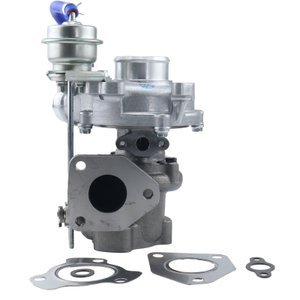
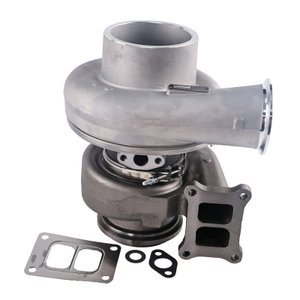
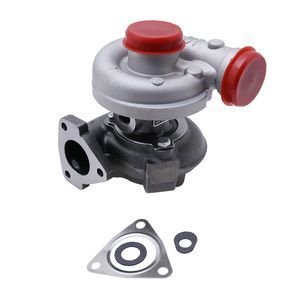
System-Matched Rebuild Supply — Every turbocharger order includes cross-reference verification and matched gasket sets to prevent repeat failures on Isuzu 4JJ1X platforms.
Technical Specifications
| Parameter |
Value |
| Part Number |
898185-1951 |
| Product Type |
Turbocharger |
| Turbo Model |
RHF5 |
| Compatible Engine |
Isuzu 4JJ1X |
| Cross-Reference (reference only) |
VA430131, VB430131, VC430131, VD430131, 8980681970, 8-98068-1970, 898068-1970, 8 98068 1970, 8-98185-1951, 8981851951, F51CND-S0131B, F51CND-S0131G, F51CNDS0131B, F51CNDS0131G |
| Machine Fitment |
PZX135USK-3F, ZX110-3, ZX110-3-AMS, ZX110-3-HCME, ZX110M-3, ZX110M-3-HCME, ZX120-3, ZX130-3-AMS, ZX130-3-HCME, ZX130K-3, ZX135US-3, ZX135US-3-HCME, ZX135US-3F-HCME, ZX135USK-3, CP220-3, 135D |
| Brand Compatibility |
Fits Hitachi, John Deere equipment |
| Condition |
New Aftermarket |
| Warranty |
3–12 months against manufacturing defects |
| Quality Standard |
ISO 9001 |
Application Suitability
| Engine System |
Related Components |
| Intake & Exhaust |
Air filter assembly, intercooler piping, exhaust manifold gaskets |
| Lubrication Supply |
Oil feed line, oil return line, oil filter element |
| Emission Control |
EGR valve, EGR cooler, associated seals |
| Engine Overhaul |
Complete gasket set, piston rings, bearing shells when rebuilding |
| Scheduled Maintenance |
Turbo inspection at service intervals, boost pressure verification |
Why a New Turbo Fails Again Within Weeks on the 4JJ1X
The turbocharger is the symptom, not the disease — system-level root-cause inspection must happen before any replacement unit is bolted on.
I have seen Isuzu 4JJ1X engines in mining environments burn through a freshly installed RHF5 turbocharger in a matter of weeks. The common thread is never the turbo itself. Oil feed restrictions, exhaust backpressure from a clogged DPF or failing EGR valve, and contaminated lubricant all destroy a replacement unit just as they destroyed the first one [NEED_CITE: common root causes of turbocharger failure in diesel engines]. A Turbocharger RHF5 engine rebuild / replacement only delivers lasting results when the entire intake, exhaust, and lubrication circuit is verified clean and unrestricted.
Skipping root-cause analysis means the shop will see that machine again. Every repeat visit costs the owner more in lost production than the original repair.

The Exhaust System Context Around This Turbo
This Turbocharger RHF5 engine rebuild / replacement sits at the junction of the intake and exhaust systems on the Isuzu 4JJ1X. Upstream, the air filter assembly and intercooler piping deliver pressurized charge air; downstream, the exhaust manifold and EGR circuit manage gas flow and emissions. Any restriction or leak in this chain alters the pressure ratios the turbo was designed to operate within. When sourcing a replacement, the rebuild kit must address every sealing surface in that chain — manifold gaskets, oil supply fittings, and intake boots — so the new unit operates within its designed parameters from the first start.
Engine Serial Variants and Mounting Differences
The Isuzu 4JJ1X was built in several variants across Hitachi ZX110-3 through ZX135US-3 series and John Deere 135D platforms. These variants can carry different turbo mounting flange configurations, oil port positions, or wastegate actuator bracket orientations [NEED_CITE: Isuzu 4JJ1X engine serial variant identification for aftermarket parts]. Confirming the engine serial number against the fitment list is essential before committing to a bulk order. A turbo that physically bolts on but has a misaligned oil drain port will fail prematurely from oil starvation or pooling in the center housing.
Spec Interpretation: What RHF5 Design Parameters Mean in the Field
The RHF5 turbo model designation indicates a specific compressor and turbine wheel geometry matched to the 4JJ1X displacement and firing order. The turbine housing is sized for the exhaust gas volume this engine produces at rated RPM, meaning an incorrect turbo model would either under-boost at low RPM or over-speed at high load. The ISO 9001 manufacturing standard ensures dimensional consistency across bearing housings and shaft tolerances, which directly affects oil film stability at operating temperature [NEED_CITE: turbocharger bearing clearance and oil film requirements]. Proper shaft balance prevents the high-frequency vibration that cracks compressor wheels and destroys floating bearings within the first hundred hours of operation.
The Real Cost of Swapping the Turbo Alone
Replacing a failed turbo without inspecting the oil feed line, EGR valve, and air intake system is a short-term fix that guarantees a return visit. The contaminated oil that destroyed the first unit will destroy the second on the same timeline. Shops that skip system-level diagnosis end up absorbing warranty claims on parts that were never given a fair operating environment [NEED_CITE: warranty implications of incomplete system inspection during turbo replacement]. The owner loses confidence in the parts supplier, and the machine accumulates downtime that could have been prevented with a single additional hour of diagnostic work.
Sourcing Advantages for This Engine System
We produce selected part lines in our own facility and source the remainder from qualified ISO-certified manufacturing partners, so this turbocharger and its associated gasket sets carry the same quality control and warranty terms under one account. Eight product categories mean a complete 4JJ1X rebuild — turbo, seals, engine gaskets, filters — ships as one consignment rather than staggered deliveries from separate vendors. Minimum order starts from one piece for emergency replacements. Our technical team verifies cross-reference numbers including superseded and alternate references like VA430131 through VD430131 before dispatch. Sample supply is available for fitment confirmation before any bulk commitment, and identification works from a part number, machine model, photograph, or nameplate image.
Documentation & Verification
- Commercial invoice listing turbocharger model RHF5 with cross-reference numbers marked as reference only
- Compatibility sheet mapping engine serial ranges to correct turbo variant for ZX110-3 through ZX135US-3
- Quality inspection record covering rotational balance and shaft end-play measurements
- Warranty terms document specifying 3–12 month coverage against manufacturing defects
- Packing photographs showing protective wrapping on compressor and turbine housings before crating
- HS code and customs documentation prepared for international engine parts shipment
Installation & Rebuild Sequence
- Verify oil feed and return lines are clear and unobstructed before mounting the RHF5 turbocharger
- Prime the center bearing housing with clean engine oil to prevent dry-start damage on first crank
- Torque exhaust manifold and turbo mounting fasteners to specification in the correct sequence
- Inspect and replace EGR valve and air filter elements as part of the same rebuild event
- Run the engine at idle for several minutes to confirm oil flow and stable boost pressure before loading
Before You Send Your Inquiry
Provide the engine model, engine serial number, and any rebuild history so we can confirm the correct turbocharger variant and matched gasket set. If the nameplate is worn, a photograph of the existing unit and its mounting configuration is usually enough for identification. Tell us whether this is a single-unit emergency replacement or part of a complete engine overhaul so we can scope the associated consumables accordingly.
Frequently Asked Questions
Q: What other components should be inspected or replaced when changing this turbocharger?
A: The oil feed line, oil return line, oil filter, air filter element, exhaust manifold gaskets, and EGR valve should all be inspected during a Turbocharger RHF5 engine rebuild / replacement. Contaminated oil or restricted airflow will destroy a new unit within weeks. We supply matched gasket and seal kits alongside the turbo so the entire system is refreshed in one repair event.
Q: How do I identify the correct turbo variant if my Isuzu 4JJ1X has a different engine serial?
A: Provide your engine serial number or a photograph of the existing turbocharger and its mounting flange. The Isuzu 4JJ1X was produced in variants with different oil port positions and actuator brackets across Hitachi and John Deere builds. We cross-reference your serial against our fitment database and confirm compatibility before shipping.
Q: What system-level faults commonly cause turbocharger failure on the 4JJ1X engine?
A: Oil feed restriction from sludge buildup, contaminated lubricant, exhaust backpressure from a failing EGR valve or blocked DPF, and foreign object ingestion through a damaged air filter are the most common root causes. Each of these destroys a replacement unit on the same timeline as the original failure if left uncorrected.
Q: Does the cross-reference list cover superseded or alternate part numbers?
A: Yes. The reference list includes VA430131 through VD430131, 8980681970 variants, and F51CND series designations, all marked as cross-reference only for identification purposes. These cover superseded numbers carried across different production runs and aftermarket catalog systems.
Q: How can I confirm the engine model if the nameplate is worn or unreadable?
A: Send a photograph of the machine data plate, the existing turbocharger housing, or the engine block casting number. Our technical team can identify the correct Isuzu 4JJ1X variant and confirm which RHF5 turbocharger configuration fits your specific Hitachi or John Deere machine.