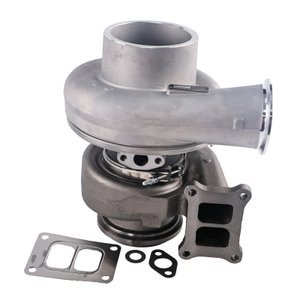
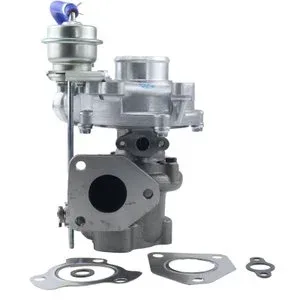
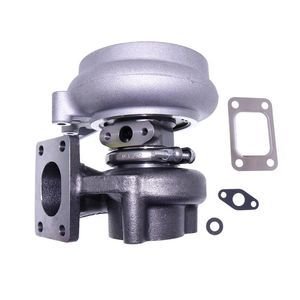
System-Matched Supply — HT60 turbocharger 3804566 ships with matched gaskets, oil feed seals, and cross-reference verification tied to your Cummins N14 serial range.
Technical Specifications
| Parameter |
Value |
| Part Number |
3804566 |
| Cross-Reference |
380456600, 3804566NX, 3804566RX, CU3804566, 3536804, 4033556, 4033556H, 3536012 (reference only) |
| Machine Fitment |
PC600-6, PC600LC-6, PC650-6, PC650LC-6, PC600LC-6KJ, PC600-6KJ |
| Part Name |
HT60 Turbocharger |
| Turbo Model |
HT60-N0881A/H32K1, HT60 |
| Fit for Engine |
Cummins N14 |
| Condition |
New Aftermarket |
| Turbine Housing Material |
High-silicon Ni-resist ductile iron |
| Compressor Wheel Material |
2618 aluminum alloy |
| Compressor Wheel Balance Grade |
ISO 1940 Grade G2.5 |
| Bearing Type |
Dual ceramic ball bearings |
| Bearing Grease Temperature Rating |
180°C |
| Sealing Surface Tolerance |
SAE J1927 |
| Warranty |
3–12 months against manufacturing defects |
| Standards |
ISO 9001, ISO 1940, SAE J1927 |
Application Suitability
| Engine System |
Related Components |
| Intake and Exhaust |
Exhaust manifold gaskets, intake piping clamps, flex bellows |
| Lubrication Supply |
Oil feed line restrictor, oil return tube seals, banjo bolt washers |
| Engine Overhaul |
Full engine gasket set, piston cooling nozzle, main bearing set |
| Air Filtration |
Primary air filter element, dust indicator valve, pre-cleaner assembly |
Why Rebuilt Engines Burn Through a Second HT60 Turbocharger Engine Rebuild Replacement for Cummins N14
Replacing the turbo without diagnosing oil starvation or exhaust restriction guarantees a repeat failure.
Workshops often pull a seized HT60 turbocharger engine rebuild replacement for Cummins N14, bolt on a new unit, and watch it fail again within a few hundred hours. The root cause usually sits upstream: a partially blocked oil feed restrictor, a collapsed oil return hose, or carbon-caked exhaust ports choking the turbine. I have seen this cycle repeat across multiple rebuild bays because the system behind the turbo was never verified [NEED_CITE: Cummins N14 turbo failure root cause analysis for heavy-duty diesel].
The Intake and Exhaust Loop Around This Component
The HT60 sits at the intersection of three fluid paths — compressed intake air, hot exhaust gas, and pressurized engine oil. Each path has its own sealing surfaces and wear patterns. When planning an engine rebuild, the turbo cannot be treated as a standalone swap. Adjacent components such as the exhaust manifold studs, oil supply banjo fittings, and intake boot clamps must be evaluated together, because any single leak or restriction in those paths transfers stress directly to the turbo bearings and compressor wheel.
Oil Feed Pressure and Sequence Variants Across N14 Builds
Cummins N14 engines were produced across several serial ranges with minor differences in oil gallery routing and turbo flange orientation. An HT60 turbocharger engine rebuild replacement for Cummins N14 ordered against the base number alone may physically bolt on but receive inadequate oil volume if the restrictor orifice diameter differs between early and late production blocks. Confirming the engine serial number before dispatch ensures the correct flange variant and oil port alignment are matched [NEED_CITE: Cummins N14 serial range turbo flange variant differences].
Reading the Specifications Against Rebuild Conditions
The high-silicon Ni-resist ductile iron turbine housing resists thermal cracking under sustained exhaust temperatures typical of open-pit mining duty cycles. The 2618 aluminum alloy compressor wheel maintains dimensional stability under high rotational speeds, and its ISO 1940 Grade G2.5 balance rating limits shaft vibration that would otherwise accelerate bearing wear. Dual ceramic ball bearings handle thrust and radial loads simultaneously, while the 180°C grease rating keeps lubrication intact at the bearing housing even when oil flow momentarily drops during cold starts. SAE J1927 sealing surface tolerance ensures the mating flanges hold pressure without relying on excessive gasket compression [NEED_CITE: SAE J1927 turbocharger flange sealing requirements].

The Cost of Skipping Root-Cause Verification
When a workshop installs a new turbo without checking the oil feed line, a blocked restrictor starves the bearings within minutes of first startup. The compressor wheel then contacts the housing, scoring both surfaces beyond rework. The machine returns to the bay, the turbo is condemned, and the owner pays for a second unit plus the labor to repeat the entire teardown. This pattern is responsible for a significant share of premature turbo claims in the aftermarket [NEED_CITE: aftermarket turbocharger warranty claim rejection due to oil starvation].
How This Supply Chain Reduces Rebuild Guesswork
Our own production lines and qualified sourced partners operate under one warranty, so the turbo and its matched gasket set carry the same coverage terms. Eight product categories mean the turbo, exhaust studs, oil feed seals, and air filter elements ship in one consignment rather than arriving from separate suppliers on different schedules. Orders start from a single piece, so a one-off emergency rebuild is never blocked by minimum quantities. Our Guangzhou warehouse holds common N14 configurations for fast dispatch, and our technical team verifies fitment from a part number, machine model, photograph, or nameplate image before anything leaves the shelf. Cross-reference verification covers superseded and alternate numbers so the correct variant ships the first time.
Documentation & Verification
- Commercial invoice listing turbo part number and matched gasket set line items
- Compatibility sheet confirming Cummins N14 serial range and cross-reference numbers (reference only)
- Dimensional and balance inspection record with shaft runout and compressor wheel clearance readings
- Warranty terms covering manufacturing defects for 3–12 months from dispatch
- Packing photographs showing protective caps on oil and air ports before crating
- HS code and export documentation for customs clearance at destination port
Installation & Rebuild Sequence
- Clean oil feed and return lines with solvent flush before connecting the HT60 turbocharger
- Verify oil restrictor orifice diameter matches the N14 serial range specification
- Torque turbine housing V-band or flange fasteners in the specified star pattern
- Pre-lube bearing housing with clean engine oil before first cranking sequence
- Run engine at idle for initial break-in and check all mating surfaces for leaks
- Confirm boost pressure builds within expected range before applying load
Requesting a System-Level Quote
Provide your Cummins N14 engine serial number, any previous rebuild history, and the specific overhaul kit contents you need. Our technical team will confirm the correct turbo variant, match the required gasket and seal set, and quote the complete system package so your rebuild bay has every component on hand when the engine block is ready.
Frequently Asked Questions
Q: Are all HT60 turbochargers interchangeable across different Cummins N14 serial numbers?
A: No. Cummins N14 engines were produced across multiple serial ranges with differences in turbo flange orientation, oil port position, and restrictor orifice size. A unit that physically bolts on may still receive incorrect oil flow if the variant is wrong. Always provide the full engine serial number so the correct configuration is confirmed before dispatch.
Q: What other components should be replaced alongside the turbocharger during an N14 rebuild?
A: At minimum, replace the oil feed line restrictor, oil return tube seals, exhaust manifold gaskets, and intake boot clamps. The engine overhaul gasket set should also be renewed. Reusing old seals risks contaminating the new turbo or allowing oil leaks that lead to early bearing failure.
Q: What system-level causes lead to repeated turbocharger failure on N14 engines?
A: The most common root causes are oil feed restriction from a blocked orifice, oil return line collapse preventing proper drainage, and air filter bypass allowing abrasive dust into the compressor wheel. Exhaust manifold cracks or carbon buildup can also overheat the turbine housing. Each of these must be ruled out before a replacement turbo is installed.
Q: Does a standard N14 engine overhaul kit include turbo installation gaskets?
A: Most full overhaul kits include cylinder head, oil pan, and block gaskets but do not always include the turbo-specific oil supply banjo washers or exhaust flange gaskets. Verify the kit contents against your turbo installation requirements and order any missing seals separately to avoid delays once the engine is on the stand.