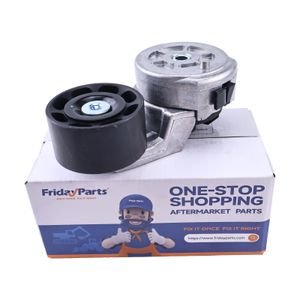
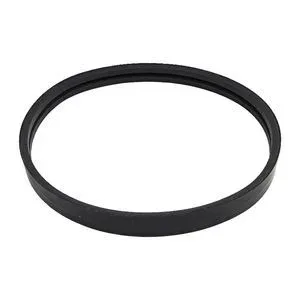
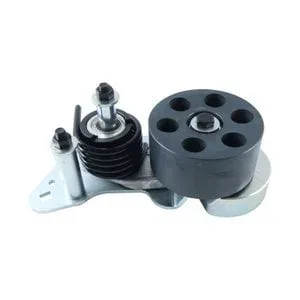
Engine Serial Variants Confirmed — Deutz D 2.9 and TCD 2.9 engines ship with different accessory drive configurations, and this ribbed V-belt 01184002 04131488 is verified against service documentation to match the correct rib count and pitch length for your specific build.
Technical Specifications
| Parameter |
Value |
| Part Number |
01184002 04131488 |
| Product Type |
Belt |
| Cross-Reference |
01184002, 0118-4002, 1184002, 04131488, 0413-1488, 4131488 (reference only) |
| Machine Fitment |
D 2.9 L4, TD 2.9 L4, TCD 2.9 L4, TCD 2.2 L3 |
| Rib Type |
Multi-rib PK type, 6 ribs |
| Material |
EPDM rubber compound |
| Reinforcement |
High-tensile polyester cord |
| Hardness |
Shore A 65±3 |
| Condition |
New Aftermarket |
| Warranty |
3–12 months against manufacturing defects |
| Standards |
ISO 9001, ISO 9982, DIN 7753, ASTM D412 |
Application Suitability
| Engine System |
Related Components |
| Accessory drive — alternator circuit |
Alternator pulley, tensioner assembly, belt guard |
| Cooling fan drive |
Fan hub, viscous clutch, fan shroud alignment |
| Air compressor drive |
Compressor mounting bracket, idler pulley |
| Complete engine overhaul |
Overhaul gasket set, seal kit, tensioner, all drive pulleys |
Why the Same Part Number Ships in Four Variants
A single cross-reference number can cover different rib counts and pitch lengths across Deutz engine serial ranges — ordering by number alone risks receiving a belt that does not seat properly in the pulley grooves.
In the Yangtze River Delta repair belt, I have seen Deutz D 2.9, TD 2.9, and TCD 2.9 engines come in for belt replacement only to find the new ribbed V-belt engine replacement riding too high or too low in the grooves. The cause is almost always a variant difference tied to engine serial number — a change in alternator bracket or fan drive configuration between production runs altered the required belt length or rib profile. Workshops that order from copied cross-reference tables without checking the engine serial end up with a ribbed V-belt engine replacement that either slips under load or over-tensions the accessory bearings. This is not a quality problem with the belt itself; it is an identification failure that costs the shop a second teardown and a frustrated machine owner [NEED_CITE: Deutz engine serial variant identification for accessory drive components].

The Accessory Drive System Context
This ribbed V-belt belongs to the accessory drive system of the Deutz engine family. It transmits crankshaft rotation to the alternator, cooling fan, and air compressor in a single continuous loop. When one driven component develops drag — a failing alternator bearing or a stiff compressor clutch — the belt absorbs the extra load. Slippage in any one circuit cascades into undercharging, reduced coolant flow, or compressor dropout. A ribbed V-belt engine replacement must therefore be evaluated as part of the entire drive system, not as an isolated wear item.
Checking the Root Cause Before Fitting New
Replacing a failed belt without inspecting the tensioner, idler pulleys, and driven component bearings is the most common reason the new belt fails within weeks. In my experience working through engine overhaul jobs on Deutz TCD 2.9 and TCD 2.2 platforms, the belt that came apart was usually the victim, not the cause. A worn tensioner arm no longer maintains correct deflection, or a pulley with damaged grooves cuts into the rib flanks with every revolution. Fitting a new ribbed V-belt engine replacement over a scored pulley guarantees early failure. The overhaul planning stage is the right moment to address these root causes — the engine is already on the bench, and the marginal effort to inspect and replace worn drive hardware prevents a return visit [NEED_CITE: accessory drive system root cause analysis during diesel engine overhaul].
Material and Construction Under the Hood
The EPDM rubber compound used in this belt is selected for sustained high-temperature operation typical of Deutz engine bays, where under-hood temperatures routinely exceed the limits of natural rubber or SBR compounds. EPDM resists ozone cracking and retains flexibility across the operating temperature range. The high-tensile polyester cord reinforcement carries the tensile load without stretching under continuous operation — this is what maintains correct tension between service intervals. The multi-rib PK profile with 6 ribs must match the pulley groove count and pitch exactly; even a single-rib mismatch causes the belt to track incorrectly and wear unevenly across its width. The Shore A 65±3 hardness balances grip against the pulleys with resistance to rib cracking under repeated flex cycles.
The Hidden Cost of Skipping System Inspection
When a workshop replaces only the belt and ignores the tensioner and pulley condition, the new belt inherits the same misalignment or over-deflection that destroyed the previous one. The machine goes back to work, and within a short period the belt sheds ribs or snaps outright. The cost is not the belt itself — it is the second teardown, the second round of labor, the machine owner losing confidence in the shop, and the reputation damage that follows. On Deutz TD 2.9 and TCD 2.9 engines used in compact excavators and mobile cranes, an accessory drive failure can cascade into overheating or electrical system faults that shut down the entire machine. The system-level approach to engine repair means treating the belt as one link in a chain of components that must all function within specification [NEED_CITE: diesel engine accessory drive failure cascade in mobile equipment].
Why Source This Belt Through XUNPO
Our selected production lines and qualified sourced supply both carry the same quality control and warranty terms, so you receive consistent specification whether the belt comes from our own facility or a verified manufacturing partner. Eight product categories under one account mean this belt ships alongside overhaul gaskets, seal kits, tensioners, and pulleys in a single consignment — no split freight, no second order waiting at a different warehouse. The one-piece minimum order applies, so a single emergency replacement moves just as quickly as a fleet-level stocking order. Cross-reference verification covers superseded and alternate numbers against Deutz service documentation rather than copied tables. A sample can be supplied for fitment confirmation before you commit to bulk quantities, which matters when engine serial variants create uncertainty.
Documentation & Verification
- Commercial invoice and packing list referencing engine model and belt specification
- Part compatibility and cross-reference sheet marked reference only for all OEM numbers
- Quality inspection record covering dimensional accuracy of rib profile and pitch length
- Warranty terms covering manufacturing defects for 3–12 months from dispatch
- Packing photographs showing belt condition and labeling before crate closure
- HS code and customs documentation support for international shipment
Installation & Rebuild Sequence
- Inspect all pulley grooves for scoring or wear before fitting the new belt onto the Deutz drive system
- Verify tensioner arm travel and spring pressure match Deutz service manual specification
- Route the belt following the exact accessory drive diagram for your engine serial variant
- Set tension to specified deflection and rotate the crankshaft two full turns to seat the ribs
- Recheck tension after initial run-in period and inspect rib faces for tracking marks
Requesting the Correct Belt for Your Engine
Provide the Deutz engine model and serial number from the nameplate, along with any previous rebuild history that may have altered the accessory drive configuration. If the nameplate is worn or painted over, a clear photograph of the existing belt and pulley arrangement allows our technical team to confirm rib count, pitch length, and variant. For overhaul planning, share the full job list so we can match gasket sets, seal kits, and drive hardware to ship together.
Frequently Asked Questions
Q: Does this belt fit all variants of the D 2.9 / TD 2.9 / TCD 2.9 engine family?
A: The D 2.9, TD 2.9, TCD 2.9, and TCD 2.2 engines share a base platform but use different accessory drive configurations depending on production batch and application. Rib count and pitch length can vary between serial ranges. We verify fitment against your engine serial number and service documentation before dispatch, rather than relying on generic cross-reference tables alone.
Q: What other components should be inspected or replaced when fitting a new drive belt?
A: The tensioner assembly, idler pulleys, and all driven component bearings should be checked for play, noise, and groove wear. A worn tensioner or scored pulley will destroy a new belt quickly. During an overhaul, replacing the tensioner and inspecting pulleys as part of the rebuild sequence prevents early belt failure and repeat teardowns.
Q: How do I confirm the correct belt if my engine serial shows a superseded part number?
A: Deutz has updated accessory drive part numbers across production runs as bracket and pulley designs changed. We cross-reference superseded numbers against current service documentation and verify the rib profile and pitch length match your specific serial range. Send the engine serial and any old part number markings for confirmation.
Q: Can this belt be included in a complete overhaul gasket and service kit?
A: Yes. This belt can ship as part of a consolidated overhaul package that includes gasket sets, seal kits, bearings, and drive hardware for the same Deutz engine. Consolidating the full job list into one consignment avoids split shipments and ensures all components arrive together for the rebuild sequence.
Q: What testing is done before shipment to verify tension retention and flex life?
A: Each batch undergoes dimensional verification of rib profile, pitch length, and hardness against DIN 7753 and ASTM D412 standards. Quality inspection records covering these checks accompany the shipment. Dynamic tension and flex life testing confirm the EPDM compound and polyester cord construction meet the operating demands of Deutz engine bays.