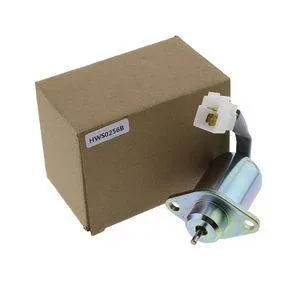
Engine Serial Variants Confirmed — Each spark plug order for MTU 4000 series is verified against the specific engine build history before dispatch.
Technical Specifications
| Parameter |
Value |
| Part Number |
X52404500056 X52404500062 |
| Product Type |
Spark Plug |
| Cross-Reference |
X52404500056, X52404500062, 70700180049, 0004.800.986.00.07, 0346-5123, 18VGZ1-77, FB95WPV, MPC1800, MPC1900, R6GC1-77M, E6014251 (reference only) |
| Machine Fitment |
MTU 4000, 16V4000-L61, 16V4000L61 |
| Condition |
New Aftermarket |
| Warranty |
3-12 months against manufacturing defects |
| Minimum Order |
1 piece |
| Quality Standard |
ISO 9001 |
Application Suitability
| Engine System |
Related Components |
| Ignition system |
Ignition coils, wiring harness, spark plug boots |
| Cylinder head assembly |
Head gasket, valve cover gasket, head bolts |
| Fuel delivery system |
Fuel injectors, fuel filters, supply lines |
| Engine overhaul kit |
Piston rings, cylinder liners, bearings, full gasket set |
When the Wrong Spark Plug Variant Goes Into a Rebuilt MTU 4000
An incorrect heat range or electrode gap specification causes misfires that trace back to the rebuild bay, not the plug itself.
In African mining operations, I have seen MTU 16V4000-L61 engines returned to service after overhaul only to develop intermittent power loss within the first hundred hours. The spark plug looked correct on the outside — same thread, same reach — but the internal electrode specification belonged to a different engine serial variant. The previous rebuild had modified cylinder head geometry, and the standard plug could not maintain consistent ignition under the altered compression profile. This kind of mismatch does not show up on a bench test. It reveals itself under load, underground, where pulling the engine again means pulling the entire power pack from the haul truck. [NEED_CITE: MTU 4000 series engine serial variant identification and spark plug selection criteria]

Ignition System Context Within the MTU 4000 Power Train
A spark plug for MTU engine overhaul replacement does not operate in isolation. It sits at the endpoint of an ignition chain that begins with the charging system, passes through the ignition coil and wiring harness, and terminates at the electrode gap inside the combustion chamber. When one plug fails repeatedly while others in the same bank hold steady, the fault almost always lives upstream — a degraded coil, a cracked boot allowing voltage leak, or a harness connector corroded by the mine atmosphere. Replacing the plug without tracing the circuit wastes labor and leaves the root cause intact.
Rebuild History Determines Which Variant You Actually Need
The MTU 16V4000-L61 has been in production across multiple serial generations, and engines in mining fleets often carry a rebuild history that changes what fits. A head that has been resurfaced alters the plug's protrusion into the chamber. Oversize pistons from a previous overhaul shift compression characteristics, which in turn changes the thermal load on the electrode. The designation X52404500056 and X52404500062 may both appear in a cross-reference table for this engine family, but only one matches the specific build state of the unit on your bench. [NEED_CITE: spark plug heat range selection after cylinder head resurfacing and oversize rebuild]
Reading the Specifications That Matter in the Field
Thread specification and reach must match the cylinder head port exactly — a plug that sits too deep accumulates carbon on the insulator tip, while one that protrudes too far risks piston contact at top dead center. The heat range governs how quickly the electrode transfers combustion heat to the cooling system; a range that is too cold allows fouling under low-load generator duty, while a range that is too hot accelerates electrode erosion under continuous mining load. Electrode gap directly affects the voltage demand on the ignition coil, and a gap that drifts beyond the coil's output capacity produces weak or absent spark at the cylinder most distant from the transformer. These parameters interact — changing one without adjusting the others shifts the entire combustion balance.
The Cost of Skipping the Root Cause Check
A spark plug that fails twice in the same cylinder is telling you something about the system, not about the plug. Compression loss past worn rings floods the chamber with oil mist that fouls the electrode. A leaking injector drips fuel onto the insulator tip during shutdown, creating a carbon track that shorts the next spark event. In a fleet of MTU 4000-powered haul trucks, treating each plug failure as an isolated event generates repeat teardowns that compound across the maintenance schedule. The labor to pull and reseal a cylinder head dwarfs the time required to check compression, inspect the injector spray pattern, and verify coil output before the new plug goes in. [NEED_CITE: diagnostic procedure for repeated spark plug failure in heavy-duty diesel-converted and gas engines]
Why Procurement Verification Matters Here
Production lines for selected part categories and qualified sourcing partners operate under a single warranty account, so spark plugs and their companion ignition components carry consistent quality terms. Eight product categories ship under one reference number, meaning overhaul gaskets, seal kits, and electrical components consolidate into one dispatch. Orders from a single piece upward remove the minimum quantity barrier that blocks emergency single-cylinder repairs. Cross-reference verification covers superseded and alternate numbers across MTU serial variants, reducing the chance of receiving a part that fits the catalog but not the engine. A sample unit ships ahead of full-engine set quantities so you can confirm thread engagement, electrode gap, and physical fitment before committing the entire order. Technical staff review your engine serial number and rebuild documentation to confirm which variant matches the current build state.
Documentation & Verification
- Commercial invoice and packing list referencing spark plug part numbers and quantities per engine set
- Part compatibility sheet listing verified cross-reference numbers marked as reference only
- Quality inspection record covering thread gauge check and electrode gap measurement before dispatch
- Warranty terms covering manufacturing defects for 3 to 12 months from delivery
- Packing photographs showing anti-static bagging and protective foam placement per unit
- HS code and customs documentation support for international mining supply chains
Installation & Rebuild Sequence
- Clean cylinder head spark plug ports with compressed air and thread chase before installing new plugs to prevent cross-threading on the MTU 4000 head
- Verify electrode gap on each X52404500056 or X52404500062 unit before installation, as transit vibration can shift preset gaps
- Torque spark plugs to the cylinder head specification using a calibrated torque wrench — over-torque distorts the shell and alters heat transfer path
- Install new spark plug boots and inspect ignition coil connectors for corrosion before reassembling the harness over the valve cover
- Run the engine to operating temperature and verify combustion balance across all cylinders using exhaust gas temperature readings
Send Your Engine Details for Matched Supply
Provide the MTU engine model, serial number, and any rebuild documentation you have on file. If the nameplate is worn or painted over, send a photograph of the cylinder head casting number and we will confirm the applicable spark plug variant and compatible ignition system components from there.
Frequently Asked Questions
Q: What else should I inspect or replace when changing spark plugs on a 16V4000-L61?
A: Inspect ignition coils, plug boots, and the wiring harness connectors for each cylinder. Check valve cover gaskets for leaks that allow oil onto the plug wells. If the engine is already opened for overhaul, coordinate spark plug replacement with the full ignition system refresh and cylinder head reseal to avoid a second teardown.
Q: My engine was previously rebuilt — how do I confirm the correct spark plug variant?
A: Share the engine serial number and any rebuild records showing head resurfacing or oversize components. These modifications change thermal load and chamber geometry, which may shift the required heat range. We verify the applicable variant against your specific build state rather than the original factory specification.
Q: Do I need to replace all plugs as a matched set or can I replace individually?
A: A single-cylinder fault can be addressed with one plug, but if the engine has accumulated significant hours since the last ignition service, replacing the full set ensures uniform combustion balance. Mixed-age plugs across cylinders create uneven thermal loading that accelerates wear on the newest units in the set.
Q: What system-level faults cause repeated spark plug failures?
A: Compression loss from worn rings or valve seats introduces oil mist that fouls the electrode. Leaking injectors create carbon tracking on the insulator. Degraded ignition coils deliver insufficient voltage under load. Each of these conditions destroys plugs repeatedly until the upstream fault is corrected.