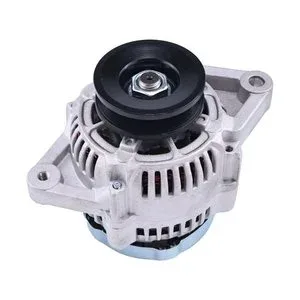
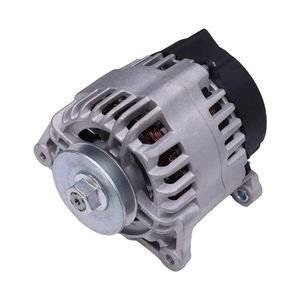
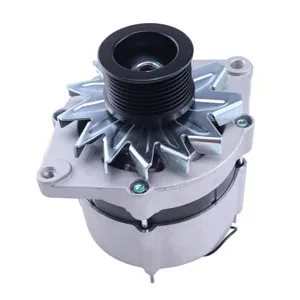
Engine Serial Variants Confirmed — Cross-reference verification covers superseded numbers and mounting differences across Bobcat track loader engine builds before this alternator ships.
Technical Specifications
| Parameter |
Value |
| Part Number |
6678205 |
| Product Type |
Alternator |
| Cross-Reference |
6675292, 6681857, 6690593, 7008772, 6881249, LRA03022, 66785292, 428402, 600934, A12390N, TA000A63701, 2200-0501, 22000501 (reference only) |
| Machine Fitment |
Bobcat T110, T140, T180, T190, T200, T2250, T250, T300, T320, T550, T590, T630, T650, T750, T770, T870, V417 |
| Voltage |
12V |
| Amperage |
90A |
| Condition |
New Aftermarket |
| Warranty |
3-12 months |
| Quality Standard |
ISO 9001 |
Application Suitability
| Engine System |
Related Components |
| Charging System |
Voltage regulator, battery terminals, wiring harness connectors |
| Belt Drive Auxiliary |
Serpentine belt, belt tensioner, idler pulley |
| Engine Electrical |
Starter motor, ignition switch, fuse panel |
| Engine Overhaul Support |
Engine wiring loom, sensor connectors, ECU power feed |
Why Alternator Failures Recur After Engine Rebuilds
Most repeat alternator failures trace back to an unresolved electrical fault or an overlooked engine serial variant, not the alternator itself.
In engine rebuild shops, the alternator is often swapped as the final step without diagnosing what destroyed the previous unit. A shorted diode in the rectifier bridge, a slipping drive belt, or corroded battery terminals can push an alternator beyond its thermal limit within weeks. On Bobcat track loaders, engine serial variants sometimes change the mounting bracket hole pattern or the connector pin configuration, meaning the same base model may require a physically different alternator [NEED_CITE: alternator mounting variant differences across engine serial ranges]. When these details are missed during engine rebuild parts selection, the new unit either fails to seat correctly or suffers from poor electrical contact, leading to voltage irregularities that damage downstream electronics.

The Charging System in Context
This alternator operates within the engine auxiliary electrical system, where it must maintain stable voltage output across the full RPM range of the machine's diesel engine. For Bobcat T140, T180, and T190 track loaders used in construction and landscaping operations, the electrical load profile includes the engine control module, lighting circuits, and hydraulic solenoid drivers. An undersized or mismatched alternator cannot sustain these loads at idle speed, which is where many machines spend significant operational time. Selecting the correct alternator engine rebuild parts requires understanding the total connected load and the engine's typical duty cycle.
Engine Serial Variants and Connector Differences
Across the Bobcat track loader range, the same machine model designation can cover multiple engine builds, each with distinct auxiliary mounting arrangements. An alternator that physically bolts on may still have the wrong connector type or incorrect voltage regulator calibration for that specific engine variant [NEED_CITE: engine serial variant impact on auxiliary component fitment]. Verification begins with the engine serial number, not just the machine model badge. Our technical team cross-checks the OEM reference number against the engine build record to confirm bracket hole spacing, pulley offset, and connector pin count before confirming the correct unit.
Interpreting Voltage and Amperage Ratings
The 12V rating defines the nominal system voltage this alternator is designed to maintain under load. The 90A output indicates the maximum sustained current delivery at operating temperature, which determines how many electrical loads the charging system can support simultaneously. In practice, an alternator operating near its maximum amperage for extended periods runs hotter, accelerating bearing wear and insulation breakdown. For machines with added auxiliary lighting or aftermarket attachments drawing from the electrical system, verifying that 90A meets the total load requirement prevents chronic undercharging and battery depletion.
The Cost of Skipping Root Cause Diagnosis
Replacing an alternator without investigating what caused the previous unit to fail leads to predictable repeat failures. A worn belt tensioner allows slip, generating insufficient charging current and forcing the alternator to work harder. Corroded battery cables increase circuit resistance, causing the voltage regulator to overcompensate. In engine rebuild scenarios, debris from machining left inside the auxiliary housing can contaminate the alternator's cooling airflow. These system-level faults destroy replacement units within a short period [NEED_CITE: root cause analysis for repeat alternator failure in mobile equipment]. The expense is not the alternator itself but the labor to remove and replace it again, plus the machine downtime that accumulates with each cycle.
Why Source This Component Through Our Engine System Approach
Selected part lines are produced in our own facility while the remainder comes from qualified ISO 9001-certified manufacturing partners, and both carry identical quality control and warranty terms. Eight product categories under one account mean a complete engine rebuild list ships as a single consignment. We confirm part identification from part number, machine model, photograph, or nameplate image. Cross-reference verification covers superseded and alternate numbers across the Bobcat track loader range. Sample supply is available for fitment confirmation before bulk commitment. Our technical team confirms compatibility and grade against your engine serial number and rebuild history.
Documentation & Verification
- Commercial invoice and packing list referencing alternator part number and cross-reference codes
- Compatibility sheet confirming engine serial variant and connector configuration match
- Quality inspection record showing voltage regulation and output test results
- Warranty terms covering manufacturing defects under normal operating conditions
- Packing photographs of alternator unit before crate closure
- HS code classification and customs documentation support for international shipment
Installation & Rebuild Sequence
- Verify bracket hole pattern and pulley offset against the engine block mounting face before installation
- Inspect drive belt condition and tensioner operation as part of the same auxiliary system service
- Confirm connector pin assignment matches the engine wiring harness to prevent regulator damage
- Check battery terminal condition and cable resistance to rule out external charging circuit faults
- Run initial test at idle and rated RPM to verify voltage output falls within specification
Before You Request a Quote
Provide the engine model, engine serial number, and any previous rebuild history so we can confirm the correct alternator variant for your specific engine build. If the original nameplate is unreadable, send photographs of the existing unit including the mounting bracket and connector. Include the full machine model designation and approximate production year to support cross-reference verification against superseded part numbers.
Frequently Asked Questions
Q: What other engine auxiliary components should be inspected when replacing the alternator?
A: The drive belt and tensioner should always be evaluated during alternator replacement. A worn tensioner causes belt slip, reducing charging output and accelerating alternator bearing wear. Battery terminals and cables should also be checked for corrosion and resistance, as poor connections force the voltage regulator to overcompensate, shortening the replacement unit's service life.
Q: How do engine serial variants affect alternator fitment on the same machine model?
A: Bobcat track loaders with the same model designation may use different engine builds across production years. These variants can change the alternator mounting bracket hole pattern, pulley offset, or connector pin configuration. Confirming the engine serial number ensures the correct variant is supplied, avoiding fitment issues and electrical incompatibility.
Q: What typically causes a replacement alternator to fail prematurely?
A: Common causes include unresolved faults in the charging circuit such as corroded battery connections, a slipping drive belt, or excessive electrical load from aftermarket attachments. Failure to diagnose the root cause of the previous alternator's failure often results in the same fault destroying the replacement unit within a short operating period.
Q: How do I confirm the correct alternator when the original nameplate is unreadable?
A: Provide photographs of the existing alternator showing the mounting bracket, pulley, and electrical connector. Combined with the machine model and engine serial number, these details allow our technical team to verify the correct variant through cross-reference tables, even when the identification plate is worn or painted over.
Q: Can I order a sample to verify fitment before committing to a bulk purchase?
A: Yes. Sample units are available for physical fitment trials on your engine build. This allows your workshop to confirm bracket alignment, connector compatibility, and belt routing before placing a larger order for fleet maintenance stock or rebuild shop inventory.