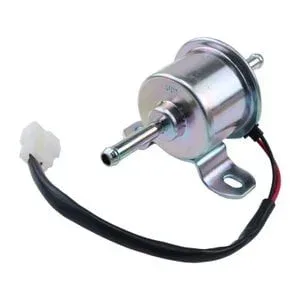
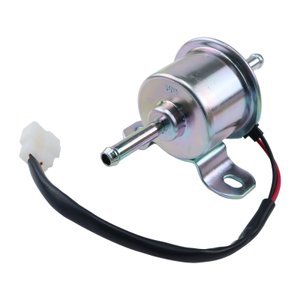
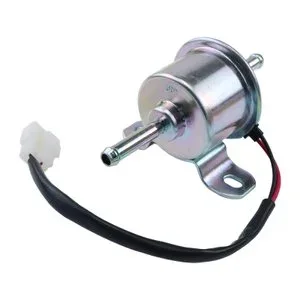
Matched Sets — Kawasaki engine serial variants verified before dispatch to ensure fuel pump diaphragm and check valve align with your specific build.
Technical Specifications
| Parameter |
Value |
| Part Number |
49040-7008 |
| Cross-Reference |
49040-7008, 490407008, 49040-0770, 490400770, KM-49040-0770, KM-49040-7008, KM490400770, KM490407008, 49040-0802, 490400802 (reference only) |
| Machine Fitment |
Kawasaki Engines: FR541V, FR600V, FR651V, FR691V, FR730V, FS730V, FX651V, FX691V, FX730V, FR541V-AS52, FR541V-CS52, FR600V-AS20, FR600V-AS22, FR600V-AS52, FR600V-BS11, FR600V-BS18, FR600V-BS19, FR600V-BS20, FR600V-BS52, FR600V-CS06, FR600V-CS16, FR600V-CS20, FR600V-ES00, FR600V-ES06, FR600V-FS06, FR651V AS00, FR651V AS04, FR651V AS05, FR651V-AS34, FR651V-AS42, FR651V-AS43, FR651V-AS45, FR651V-AS49, FR651V-AS50, FR651V-AS51, FR651V-AS54, FR651V-BS34, FR691V AS00, FR691V AS04, FR691V AS05, FS730V AS00, FS730V AS04, FX651V AS00, FX691V AS00, FX730V-AS35, FX730V-AS39; Cub Cadet Mowers & Tractors: L54 KW, LTX 1042 KW, LTX 1046 KW, Z-Force SX54 KW FAB |
| Product Type |
Fuel Pump |
| Condition |
New Aftermarket |
| Warranty |
3-12 months against manufacturing defects |
| Standards |
ISO 9001 |
Application Suitability
| Engine System |
Related Components |
| Fuel Delivery & Metering |
Fuel filter, fuel lines, carburetor rebuild kit |
| Engine Overhaul |
Head gasket set, piston rings, valve stem seals |
| Preventive Maintenance |
Air filter, spark plug, crankcase breather hose |
Overhaul Kit Shortfalls and the Fuel System Blind Spot
A complete engine rebuild fails if the fuel delivery fault that caused the original failure is left unaddressed.
I have opened Kawasaki FR691V engines where the piston and rings were replaced, yet the machine stalled again within hours because the diaphragm inside the fuel pump was still cracked from ethanol degradation. Mechanics often assume a fresh top-end kit solves everything, but the root cause lives upstream in the fuel circuit. When a lawn care fleet runs E10 or E15 blends, the pump internals take a beating that a simple ring swap will never fix [NEED_CITE: ethanol blend effects on small engine fuel system elastomers]. Matching the replacement Fuel Pump 49040-7008 to the exact engine serial ensures the pulse port spacing and diaphragm diameter seat correctly on the crankcase breather passage.

Tracing the Failure Back to the Pulse Line
Every fuel pump in this family relies on crankcase pressure pulses to drive the diaphragm. If the breather hose is pinched or the pulse fitting is clogged with carbon, the pump starves the carburetor regardless of how fresh the internal components are. During teardown, I always check the pulse line first; a collapsed hose mimics a dead pump and sends mechanics chasing phantom fuel delivery faults.
Serial Variants and Why the Same Number Fits Differently
Kawasaki assigns serial suffixes like AS00, AS04, or BS34 to indicate production runs with subtle casting changes. The base number 49040-7008 may cover several of these variants, yet the port orientation or mounting boss thickness can shift between runs. Cross-referencing the engine serial against the fitment list prevents installing a pump whose outlet barb points toward the muffler heat shield instead of the carburetor inlet [NEED_CITE: Kawasaki engine serial suffix identification guide].
Material Choices That Resist Fuel Degradation
The diaphragm in this Fuel Pump uses a fluoroelastomer compound that withstands ethanol-blended fuel and the wide temperature swings of outdoor power equipment parked under summer sun. Check valves are precision-ground to maintain correct flow direction, preventing back-leakage that floods the carburetor bowl during storage. The housing is molded from impact-resistant resin, rated to absorb the vibration typical of zero-turn mowers operating across uneven terrain without cracking at the mounting ears. These material decisions matter because a pump that cannot handle modern fuel chemistry will fail long before the engine's next scheduled overhaul.
The Cost of Overlooking the Fuel Circuit During Rebuild
Replacing pistons, bearings, and gaskets while reusing a fatigued fuel pump invites a second teardown. The engine will start, then stumble under load as the weakened diaphragm fails to maintain pressure at higher RPM. That second teardown costs labor hours, new gasket sets, and reputational damage when the equipment owner sees the machine return with the same stalling complaint. Addressing the entire fuel system as one matched set during the first rebuild avoids this cycle [NEED_CITE: small engine rebuild comeback rate causes analysis].
Why Source This Component Through XUNPO
Our technical team verifies the engine serial against the full fitment matrix, catching variant differences before the part ships. We stock this Fuel Pump alongside carburetor rebuild kits, fuel filters, and gasket sets so a complete system refresh moves under one commercial invoice. Both our in-house production lines and qualified partner facilities operate under ISO 9001 with identical warranty terms, meaning one accountability point for the entire fuel system order. Samples are available for fitment confirmation before you commit to bulk quantities for a landscaping fleet overhaul season. Cross-reference verification covers superseded numbers like 49040-0770 and 49040-0802, ensuring legacy engines receive the correct updated component.
Documentation & Verification
- Commercial invoice listing each fuel system line item with engine serial noted
- Cross-reference sheet mapping superseded pump numbers (reference only)
- Dimensional check on port spacing and diaphragm diameter before dispatch
- Warranty terms covering manufacturing defects for three to twelve months
- Packing photographs showing protective caps on fuel barbs
Installation & Rebuild Sequence
- Inspect pulse hose for collapse or carbon blockage before connecting new pump
- Verify outlet barb orientation matches carburetor inlet to avoid heat shield interference
- Prime the fuel system and check for leaks at both hose clamps before first start
- Run engine at idle for five minutes to confirm steady fuel delivery under pulse load
Requesting the Right Configuration
Send your Kawasaki engine model, serial suffix, and any previous overhaul notes so we can confirm the exact pump variant and advise on matched fuel system components. If the nameplate is missing, a photograph of the old pump and its port layout is usually enough for our team to identify the correct replacement.
Frequently Asked Questions
Q: What other fuel system components should I replace together?
A: Pair the Fuel Pump with a fresh fuel filter, carburetor rebuild kit, and fuel line sections. Ethanol-blended fuel degrades all elastomers in the circuit, so replacing only the pump while leaving swollen hoses or a varnished carburetor bowl invites a repeat failure within the same operating season.
Q: How do I confirm this fits my specific Kawasaki engine serial?
A: Provide the full engine model and serial suffix printed on the valve cover or crankcase. Our team cross-references the suffix against the fitment matrix to confirm port orientation and mounting boss compatibility, then shares the verified application sheet before shipping.
Q: What causes fuel pump failure in outdoor power equipment?
A: Ethanol-blended fuels gradually harden the diaphragm elastomer, reducing stroke volume. Crankcase pulse line blockage from carbon buildup also starves the pump. Extended storage with fuel left in the lines accelerates varnish formation that jams the internal check valves [NEED_CITE: outdoor power equipment fuel storage degradation guidelines].
Q: Can I get a sample to verify fitment before bulk order?
A: Yes, we supply single-unit samples so your rebuild shop can confirm port spacing, hose barb diameter, and mounting pattern on the actual engine before committing to fleet quantities. Sample lead time matches standard stock dispatch.
Q: Do you provide cross-reference verification for superseded numbers?
A: Our technical team maps superseded numbers such as 49040-0770 and 49040-0802 to the current configuration, noting any port or material changes between revisions. A written cross-reference sheet accompanies each shipment for your records.