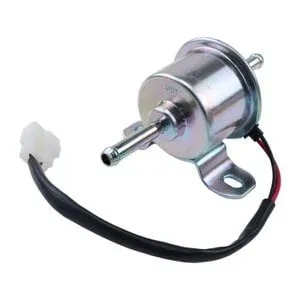
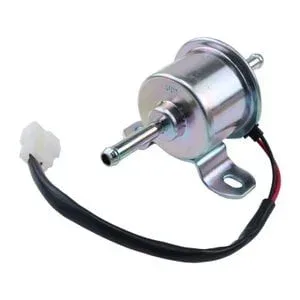
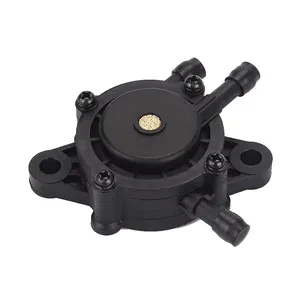
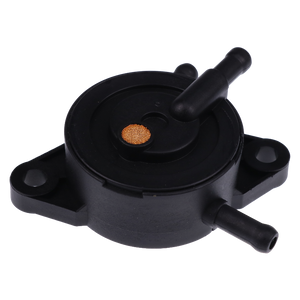
Matched Engine Sets — fuel pump verified against Kawasaki FD series engine code variants before dispatch to prevent fitment rework.
Technical Specifications
| Parameter |
Value |
| Part Number |
AM132715 |
| Product Type |
Fuel Pump |
| Cross-Reference |
AM132715 (reference only) |
| Machine Fitment |
240, 245, 260, 265, 285, 320, 325, 335, 345, GX345, LX172, LX173, LX176, LX178, LX186, LX188, LX277, LX279, LX289, 2243 Greens Mower, F725 Front Mower |
| Brand Compatibility |
John Deere, Kawasaki |
| Condition |
New Aftermarket |
| Warranty |
3-12 months against manufacturing defects |
| Minimum Order |
1 piece |
| Quality Standard |
ISO 9001 |
Application Suitability
| Engine System |
Related Components |
| Kawasaki FD501V fuel delivery |
Fuel filter, fuel lines, carburettor gasket set |
| Kawasaki FD590V fuel delivery |
Diaphragm-type pump, inline filter, tank sediment bowl |
| Kawasaki FD611V fuel delivery |
Fuel pump, vacuum line, carburettor rebuild kit |
| John Deere LX/GX series tractor fuel system |
Fuel pump, fuel shut-off solenoid, primer bulb |
| 2243 Greens Mower seasonal recommissioning |
Fuel pump, fresh fuel line set, carburettor cleaning kit |
Why Replacing Only the Pump Rarely Fixes the Root Cause
A fuel pump replaced in isolation often fails again because the upstream contamination or downstream restriction that killed it was never addressed.
In the repair bays across the Pearl River Delta, I have watched engines come back weeks after a fuel pump engine rebuild replacement because the technician swapped the pump but left a clogged filter and sediment-filled tank in place. The new diaphragm ingests the same debris and deteriorates on the same schedule. Systematic diagnosis of the entire fuel circuit before teardown separates a lasting repair from a repeat visit [NEED_CITE: small engine fuel system diagnostic sequence for ethanol-related failures].

The Fuel Circuit as a Connected System
This fuel pump does not operate alone — it sits between the fuel tank and the carburettor, pulling fuel through a filter and pushing it at low pressure into the float bowl. During any Kawasaki FD series engine service, the fuel filter, fuel lines, and carburettor gaskets form a single functional chain. A fuel pump engine rebuild replacement that ignores any link in that chain leaves the weakest component to fail next.
Engine Serial Variants and Mounting Differences
Kawasaki designates engines within the FD family by displacement and configuration, but serial number breakpoints can change the fuel pump mounting pattern or pulse line fitting. The FD590V, for instance, has production runs with different crankcase pulse port orientations. Confirming the full engine code — not just the model family — before ordering prevents receiving a pump that physically bolts on but cannot connect to the vacuum source. This verification step is the difference between a clean installation and a return shipment [NEED_CITE: Kawasaki FD engine serial variant identification practices].
Diaphragm Material and Ethanol-Blended Fuel
Modern ethanol-blended fuels accelerate diaphragm degradation in pumps not formulated for alcohol exposure. The diaphragm in this unit is selected for compatibility with commonly available blended fuels used in seasonal landscaping and golf course equipment. Consistent fuel pressure output prevents lean-running conditions, which over time score piston skirts and cylinder walls — damage that shows up at the next top-end inspection rather than at the fuel system itself.
The Hidden Cost of Skipping System-Level Inspection
When a rebuild shop installs a new pump without inspecting the carburettor jets or replacing hardened fuel lines, the engine may start and run but deliver inconsistent fuel volume under load. The result is intermittent lean surge that accelerates ring and bore wear. The next teardown reveals cylinder damage that traces back to the fuel delivery side — a repair that could have been prevented with a complete fuel system service at the time of pump replacement [NEED_CITE: lean-running cylinder wear patterns in small air-cooled engines].
Why Source This Fuel Pump Through XUNPO
Our own production lines and qualified sourced supply operate under a single warranty and quality standard, so whether this fuel pump ships from our facility or a certified partner, the inspection protocol and defect coverage are identical. Eight product categories under one account mean fuel system components, gaskets, filters, and seal kits consolidate into one shipment. Orders start at one piece for emergency replacements. Our Guangzhou warehouse stocks high-turnover items for fast dispatch. Part identification works from a part number, machine model, photograph, or nameplate image — useful when the original pump label is illegible. Cross-reference verification covers superseded and alternate numbers to confirm fitment before bulk commitment.
Documentation & Verification
- Commercial invoice listing AM132715 with HS code for customs clearance
- Compatibility sheet mapping engine codes to pump mounting variants (reference only)
- Quality inspection record covering diaphragm integrity and pressure output test
- Warranty terms specifying defect replacement process and coverage period
- Packing photographs showing unit condition before crate closure
- Fuel system cross-reference table with superseded numbers verified
Installation & Rebuild Sequence
- Inspect crankcase pulse port and vacuum line before mounting the new pump
- Replace fuel filter and flush fuel lines to prevent debris ingestion at startup
- Verify fuel pressure output at idle and rated RPM after installation
- Run the engine through a warm-up cycle and recheck all fuel line connections
- Document engine serial number and pump batch for future rebuild reference
Request a System-Level Quote
Provide your Kawasaki engine code (FD501V, FD590V, or FD611V), John Deere machine model, and any prior rebuild history so we can confirm the correct pump variant and recommend matched fuel system components for the complete job.
Frequently Asked Questions
Q: What other fuel system components should be replaced alongside this pump?
A: During a fuel pump engine rebuild replacement, we recommend simultaneous replacement of the fuel filter, fuel lines showing any hardness or cracking, and the carburettor float bowl gasket. These components share the same service environment and age together. Replacing them as a set prevents the weakest remaining link from causing a repeat failure within weeks of the pump installation.
Q: How do I confirm which Kawasaki FD engine variant I have?
A: The engine code is stamped on the crankcase, typically near the flywheel housing or on the valve cover. Look for the full designation such as FD590V-AS01 rather than just the model family. Send us a photograph of this stamping along with the machine model plate, and our technical team will cross-check the correct pump mounting configuration against your specific engine serial variant.
Q: Can ethanol-blended fuel cause premature pump failure?
A: Ethanol in blended fuel degrades diaphragm materials not formulated for alcohol exposure, leading to swelling, cracking, and eventual fuel delivery loss. The diaphragm in this pump is selected for compatibility with commonly available ethanol blends used in seasonal equipment. For machines stored for extended periods, draining the fuel system or using a stabiliser extends pump and carburettor service life between maintenance intervals.
Q: What is included in a complete fuel system service kit for these engines?
A: A comprehensive kit typically pairs this fuel pump with an inline fuel filter, replacement fuel line sections, carburettor gasket set, and sediment bowl gasket where applicable. The exact contents depend on your engine code and machine model. Provide your engine designation and we will assemble a matched kit so all fuel system wear items ship in one consignment for a single service event.
Q: How do I identify the correct pump if the original part number is worn off?
A: Send a photograph of the old pump showing its mounting hole pattern, pulse line fitting orientation, and inlet/outlet port positions. Combined with your machine model and engine code, these physical features allow cross-reference identification even when the label is completely illegible. We verify fitment against our reference database before confirming the order so the replacement arrives ready to install.