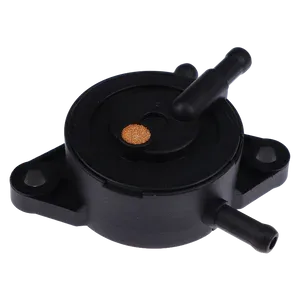
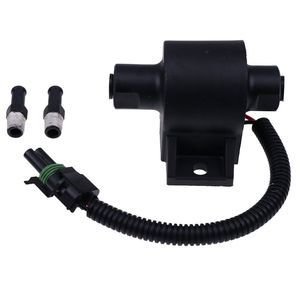
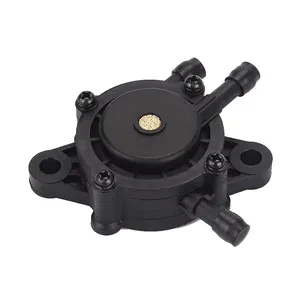
Engine Variant Verification — each KM186FGET-12000 pump is matched to the specific Yanmar or Kipor engine serial range before dispatch, preventing fitment issues caused by variant differences within the same model family.
Technical Specifications
| Parameter |
Value |
| Part Number |
KM186FGET-12000 |
| Product Type |
Injection Pump |
| Cross-Reference |
KM186FGET-12000 (for identification purposes), KM186FGET12000 (interchange reference) |
| Machine Fitment |
L48N, L48V, L60AE, L70AE, L100, KDE6500T, KDE6500T3, KDE6700T, KDE6700TA, KDE6700TA3, KM186, 186F, 186FE, 406CC |
| Brand Compatibility |
Compatible with Yanmar, Kipor, Kama engine platforms |
| Condition |
New Aftermarket |
| Warranty |
3-12 Month |
| Quality Standard |
ISO 9001 |
Application Suitability
| Engine System |
Related Components |
| Fuel delivery – Yanmar L48N/L48V diesel generators |
Injector nozzles, fuel lines, return hoses, fuel filter elements |
| Fuel delivery – Kipor KDE6500T/KDE6700TA generator sets |
Fuel lift pump, injection lines, governor springs, seal kits |
| Fuel delivery – Kama 186F/186FE agricultural engines |
Fuel tank strainer, primer pump, injector seat cutters |
| Overhaul support – L60AE/L70AE/L100 industrial diesels |
Complete fuel system overhaul kit, timing shims, mounting gaskets |
Why the Same Engine Model Demands Different Fuel Injector Pump Configurations
Confirming engine serial number before ordering is the single most reliable way to avoid receiving a pump that physically mounts but fails to deliver correct fuel pressure and timing.
When I was managing spare parts verification in Indonesia, a fleet of Yanmar L48N units needed injection pump replacements. The base model was the same across the fleet, but engines produced in different serial batches carried internal fuel passage routing differences. One variant had the fuel inlet port rotated at a slightly different angle compared to another [NEED_CITE: Yanmar L-series engine serial variant documentation for fuel system components]. A pump ordered against the model plate alone arrived with the correct mounting flange but the wrong port orientation — the fuel line could not connect without bending, which would introduce stress cracking within weeks. This is not a rare edge case. Across the L48, L70, and L100 families, fuel injector pump engine rebuild projects regularly encounter these sub-variant differences, and the only safeguard is matching the pump to the specific engine serial range rather than the model badge alone.

The Fuel System as an Integrated Circuit
An injection pump does not operate in isolation. It sits between the fuel lift pump and the injector nozzles, and its internal plunger timing must align with the spray pattern and opening pressure of the injectors downstream. When a fuel injector pump engine rebuild is planned, the condition of every adjacent component influences whether the new pump performs correctly or suffers premature wear. Degraded fuel lines shedding internal rubber particles, a clogged return line creating backpressure, or worn injector seats allowing leakage — each of these conditions forces the pump to compensate in ways it was not designed for. Addressing the failed component without diagnosing the system around it is the most common reason a replacement pump fails within the first few hundred operating hours.
Serial Variants and Calibration Differences Within the L48/L70/L100 Family
Yanmar L-series engines have been in production across multiple generations, and the KM186FGET-12000 reference covers pumps built for several of these generations. However, internal calibration — plunger diameter, delivery valve seating pressure, governor spring rate — varies between serial ranges even when the external casting looks identical [NEED_CITE: diesel injection pump calibration variance across engine serial ranges]. A pump calibrated for an L48V continuous-duty generator may deliver slightly different fuel volume per stroke than one set for an L48N standby unit. Ordering against the engine serial number, not just the model, ensures the replacement pump matches the original fuel delivery map. This is particularly important during a full fuel injector pump engine rebuild where the entire fuel system is being reassembled and tolerances must stack correctly.
Reading the Specifications That Matter in the Field
The condition rating — New Aftermarket — means this pump arrives with unworn internal surfaces: plunger-to-barrel clearance, delivery valve lift, and cam roller profile are all at factory nominal. This matters because a rebuilt or reconditioned pump may have already experienced one wear cycle on these same surfaces, compressing the effective service life. The ISO 9001 manufacturing standard requires documented process control at each machining and assembly stage, which directly affects the consistency of fuel delivery pressure across the operating range [NEED_CITE: ISO 9001 process control requirements for fuel injection component manufacturing]. The 3-12 month warranty window reflects the manufacturer's confidence in material selection and assembly precision under normal operating conditions. For engines running in mining camps or remote agricultural sites where fuel quality varies, pairing this pump with an upgraded filtration setup upstream protects the tight internal clearances from abrasive contamination.
The Hidden Cost of Skipping System-Level Diagnosis
Replacing the injection pump without inspecting the fuel lines, filters, and injectors is the equivalent of treating a symptom while ignoring the disease. Contaminated fuel from a degraded tank lining or a failing lift pump seal introduces abrasive particles that score the precision-machined plunger and barrel inside the new pump. The failure shows up as declining fuel pressure and rough engine running, often misdiagnosed as a defective replacement part [NEED_CITE: diesel fuel system contamination as primary cause of injection pump premature failure]. The actual root cause remains unaddressed, and the cycle repeats. In a fuel injector pump engine rebuild scenario, the cost of replacing fuel lines and filter elements is marginal compared to the cost of a second teardown when the new pump fails for the same preventable reason.
Why Rebuild Shops Source This Pump Through XUNPO
Production on selected fuel system lines is handled in-house, while complementary components are sourced from ISO-certified manufacturing partners — both channels carry identical quality control standards and warranty terms. Eight product categories under one account mean a complete fuel system overhaul kit — pump, injectors, seals, filters, lines — ships as a single consignment rather than arriving in fragments from multiple suppliers. Minimum order starts at one piece, so a single emergency replacement for a downed generator does not require padding an order to meet a threshold. Part identification is supported through part number, machine model, photograph, or nameplate image, which matters when field conditions have worn the original markings. Cross-reference verification covers superseded and alternate numbers, catching errors that propagate through copied reference tables. Technical support is available to confirm engine serial compatibility and fuel system grade before the order is finalized.
Documentation & Verification
- Commercial invoice listing each fuel system component with individual line-item part references
- Compatibility sheet mapping KM186FGET-12000 to confirmed Yanmar and Kipor engine serial ranges (reference only)
- Dimensional inspection record covering port spacing, flange bolt pattern, and shaft interface
- Warranty terms document specifying coverage period and claim procedure for injection pump assemblies
- Packing photographs showing protective caps on fuel ports and cushioning around the governor housing
- HS code and customs documentation prepared for international shipment of diesel fuel system components
Installation & Rebuild Sequence
- Clean all fuel line connections and inspect banjo bolt sealing surfaces before mating to the pump ports
- Verify governor spring tension and delivery valve seating against engine serial-specific calibration data
- Torque mounting flange bolts in star pattern to the specified value to avoid housing distortion
- Prime the fuel system through the lift pump before cranking to prevent dry running the injection pump internals
- Run the engine at idle for the initial break-in period and check each fuel line connection for weeping
- Confirm injector spray pattern and opening pressure after installation to validate system-level fuel delivery
Request a System-Matched Quote
Provide your engine model, serial number, and any known rebuild history so we can confirm which KM186FGET-12000 variant matches your specific fuel system configuration. If the nameplate is worn, send a photograph of the engine block casting numbers and the existing pump data plate. For complete fuel injector pump engine rebuild projects, share your full component list so we can assemble a matched kit that ships together.
Frequently Asked Questions
Q: What other fuel system components should be replaced alongside the injection pump?
A: Injector nozzles, fuel return lines, filter elements, and the lift pump diaphragm should all be inspected or replaced during the same service event. Contamination from any of these adjacent components will shorten the new pump's service life. We supply matched fuel system kits that consolidate all these items under one order for rebuild shops.
Q: How do I confirm which pump variant fits my engine serial number?
A: Send us the engine serial number from the block casting or the existing pump data plate. We cross-reference against production records to identify which calibration and port configuration matches your specific engine build, rather than relying on the model badge alone.
Q: What typically causes an injection pump to fail prematurely?
A: Fuel contamination from degraded lines, clogged filters, or tank corrosion introduces abrasive particles that score the precision plunger-and-barrel assembly. Addressing these upstream causes during the rebuild prevents repeat failure and protects the replacement pump.
Q: Can I order a complete fuel system overhaul kit with this pump?
A: Yes. We assemble kits containing the injection pump, matched injectors, seal sets, gaskets, and filter elements specific to your engine serial range. This ensures all components arrive together and are calibrated to work as a unified fuel delivery system.
Q: How do I verify the engine model when the nameplate is unreadable?
A: Photograph the engine block casting numbers, the existing pump mounting flange, and any visible port fittings. Our technical team uses these physical identifiers to narrow down the engine family and serial range, confirming the correct pump variant before you commit to an order.